
A newer update of this story has been published: Pakistan confirms halt to trade at Taftan and Gabd–Rimdan crossings
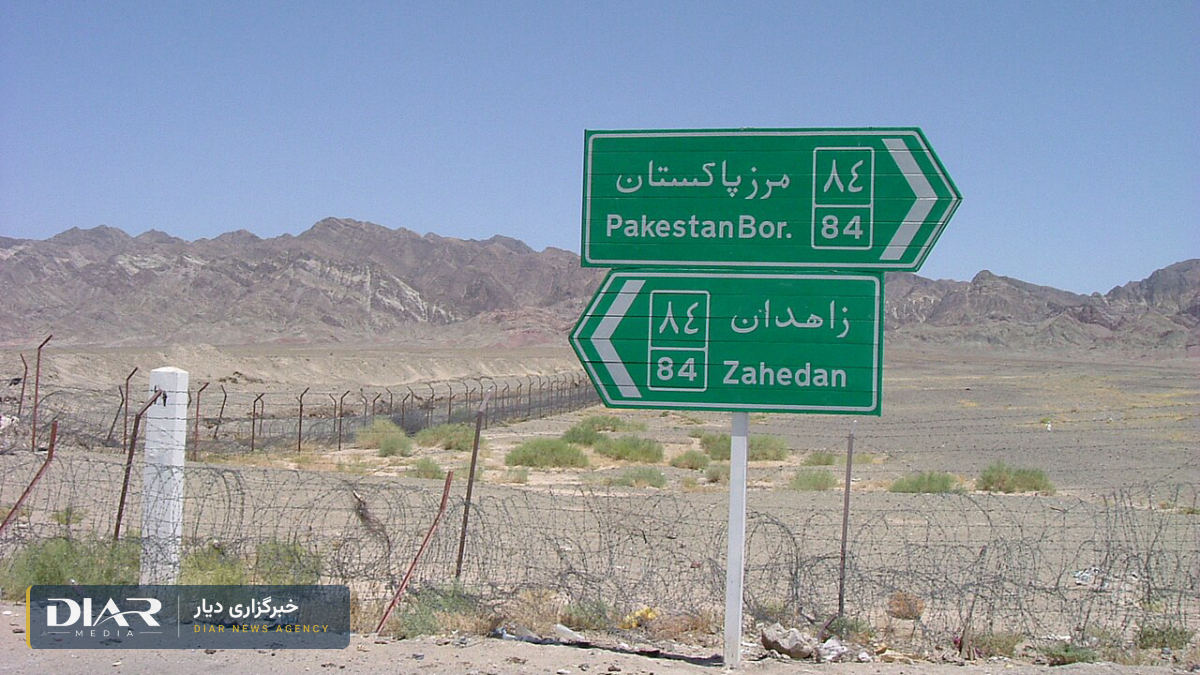
Iran–Pakistan border trade at the Rimdan–Gabd crossing in Sistan and Baluchestan province has been halted. Esmaeil Baghaei, spokesman for the Islamic Republic's foreign ministry, confirmed on Saturday, 17 October 2026, after reports that the crossing had been closed to trade, that "crossings and border exchanges between Iran and Pakistan have been temporarily halted".
The foreign ministry spokesman blamed "technical problems" and "the need for precautionary measures" without giving details, and said the issue would be resolved "as soon as possible" after consultations between officials of the two countries. According to an official of the Transit Office of the Road Maintenance and Transportation Organization, it was Pakistan that closed the Rimdan–Gabd crossing to trucks; passenger traffic continues and talks on reopening are under way.
Contradictory accounts and the role of banking sanctions
Peyman Sanandaji, head of the Transport Commission of the Tehran Chamber of Commerce, said the land border is not closed to trade and called a letter circulating about the closure of one crossing fake. He said, however, that the main problem is banking: Pakistani importers must register the details of each shipment in Pakistan's import system and banking network, and sanctions on the Islamic Republic's banks have made this difficult. He warned that if these restrictions continue, Iran's exports to Pakistan will effectively stop.
The Pakistani daily The Nation, citing unnamed official sources, wrote that the two countries have imposed temporary security restrictions on the border to counter armed groups and smuggling, and called reports of a complete closure of the border untrue. As of the early hours of Sunday, 18 October, Pakistani officials had given no official explanation of the halt or its possible link to banking sanctions.
Background: US financial pressure on Tehran's trading partners
On 5 October, the US Treasury Department warned foreign banks and financial institutions that continuing to deal with sanctioned entities of the Islamic Republic could make them targets of sanctions without prior warning. The warning is part of Donald Trump's administration's "economic isolation" campaign, which has been under way since this past Shahrivar (23 August–22 September) and in recent weeks has also targeted banks and exchange houses linked to the Islamic Republic in Iraq and a Cuban state bank. It is still unclear whether the halt in border trade stems directly from this warning.
Pakistan, a US partner, has for years been under pressure over its economic cooperation with the Islamic Republic, including the Iran–Pakistan gas pipeline. After the 40-day war, Islamabad became the main mediator between Tehran and Washington, and the "Islamabad Memorandum of Understanding" was signed on 18 June, but it collapsed less than three weeks later when the Islamic Republic attacked three commercial ships in the Strait of Hormuz.
The closure of one of the main land trade crossings with Pakistan comes as the US naval blockade has pushed Iran's economy into recession and land borders are among the few remaining routes for foreign trade. For border residents of Sistan and Baluchestan, whose livelihoods depend on border trade, the halt is a direct blow.
The Islamic Republic's foreign ministry confirmed a "temporary" halt to border trade with Pakistan, while business activists see banking sanctions as the main cause.
Comments
No comments yet. Be the first.