
In recent weeks, as new compensation rulings by US federal courts against the "Islamic Republic of Iran" have become public, some of the recipients and their supporters have said in the media that the rulings are "symbolic" and that no money is taken from the Iranian nation. DIAR's analysts assess the opposite: compensation rulings are final financial judgments, part of which have been paid from seized assets, while the rest passes to Iran's future government.
How compensation rulings are issued
The US Foreign Sovereign Immunities Act makes an exception for countries on the list of state sponsors of terrorism. Any US citizen or resident who says they were harmed by the Islamic Republic's hostage-taking, torture or terrorism can sue in federal court. The Islamic Republic does not appear in these cases and offers no defence, so most rulings are issued by default and the account of the plaintiff and their expert witnesses goes almost unchallenged.
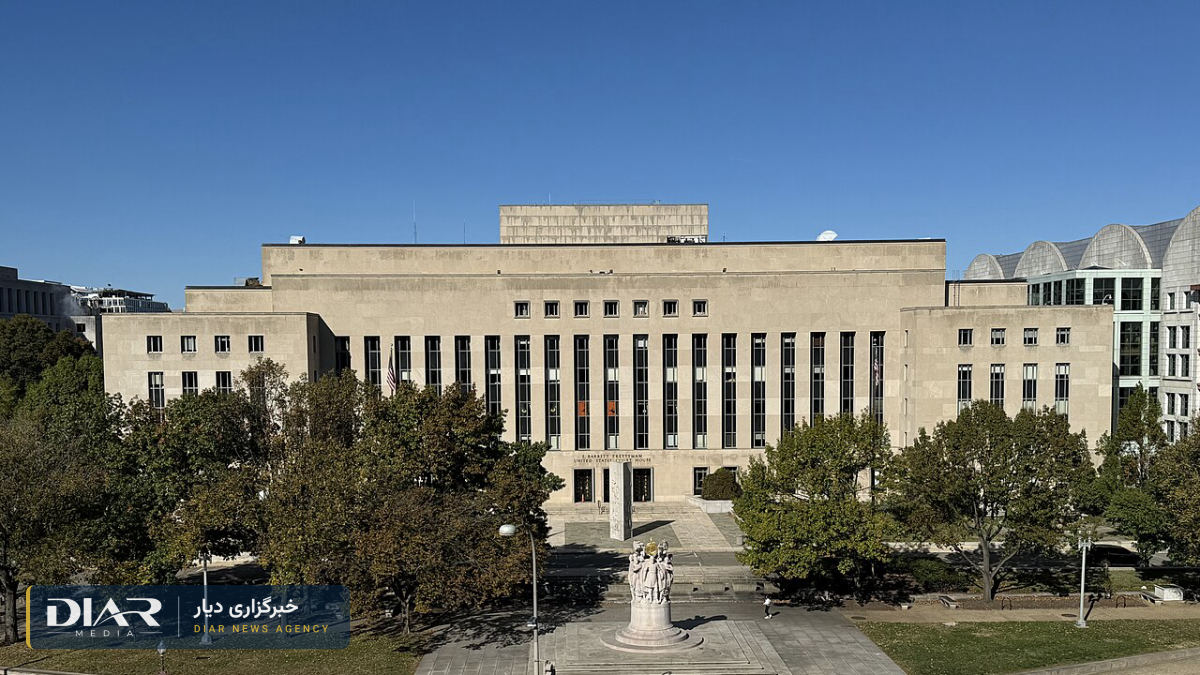
A well-known example is the roughly 180 million dollar ruling by a federal court in Washington in 2019 for Jason Rezaian, the former Washington Post reporter, and his family. These are not numbers on paper: the US Victims of State Sponsored Terrorism Fund, financed by fines and confiscated assets, has paid holders of these rulings several times; in the 2026 round nearly 2.8 billion dollars was divided among about 22,000 beneficiaries.
Why calling these rulings "symbolic" is misleading
Part of each ruling is paid in these years and the rest remains a final claim. Any Iranian asset found in the United States or cooperating countries, from central bank funds to company property, can be seized to enforce these rulings. Calling them "symbolic" hides the central question: whose money is taken, and who receives it.
In the assessment of DIAR's analysts, in a number of these cases the same few lawyers and expert witnesses appear again and again, and the accounts the court accepted sometimes reduce systematic torture in the Islamic Republic's prisons to the level of minor discomfort. DIAR's writers also say that most Iranians who have received such compensation have been close to the reformist camp, something that in their view builds political weight for Iran's future on top of the money.
Sudan: an example that rules out a debt being wiped clean
The hope that a future free government will set all these rulings aside through a political deal does not fit Sudan's experience. After Omar al-Bashir fell, Abdalla Hamdok's transitional government, which had no role in the 1998 bombings of the US embassies in Nairobi and Dar es Salaam, had to pay 335 million dollars to American victims in 2020 to be removed from the list of state sponsors of terrorism. The rulings were issued in the name of the country, not of its rulers.
In the assessment of DIAR's writers, total compensation rulings against Iran have reached hundreds of billions of dollars and new cases are added every month. Even with a discount in a future negotiation, the remainder will be a heavy burden for an economy whose currency has collapsed several times in recent years. Syria's experience after part of the sanctions were lifted also shows that remaining compensation rulings keep foreign investors away from a country just freed from dictatorship.
Whose right is it
Iran's frozen funds are the property of the Iranian nation. DIAR's writers believe that if compensation is to be paid from these assets, priority belongs to the families of those killed in the Dey uprising, to political prisoners and to children harmed inside Iran: the people who have paid the highest price of the Islamic Republic's repression and who today cannot sue in US courts.
The practical proposal of DIAR's writers is that, before more rulings become final, a group of Iranian lawyers backed by the Iranian diaspora should slow this process and demand that the fate of the Iranian nation's assets be left to the elected government of a free Iran. The debate comes a day before the rally of Prince Reza Pahlavi's supporters in Frankfurt, a rally many students' families have struggled even to afford the journey to.
Compensation rulings are issued in the name of the country of Iran and do not disappear when the Islamic Republic falls; paying them will fall to a free Iran.
Comments
No comments yet. Be the first.