
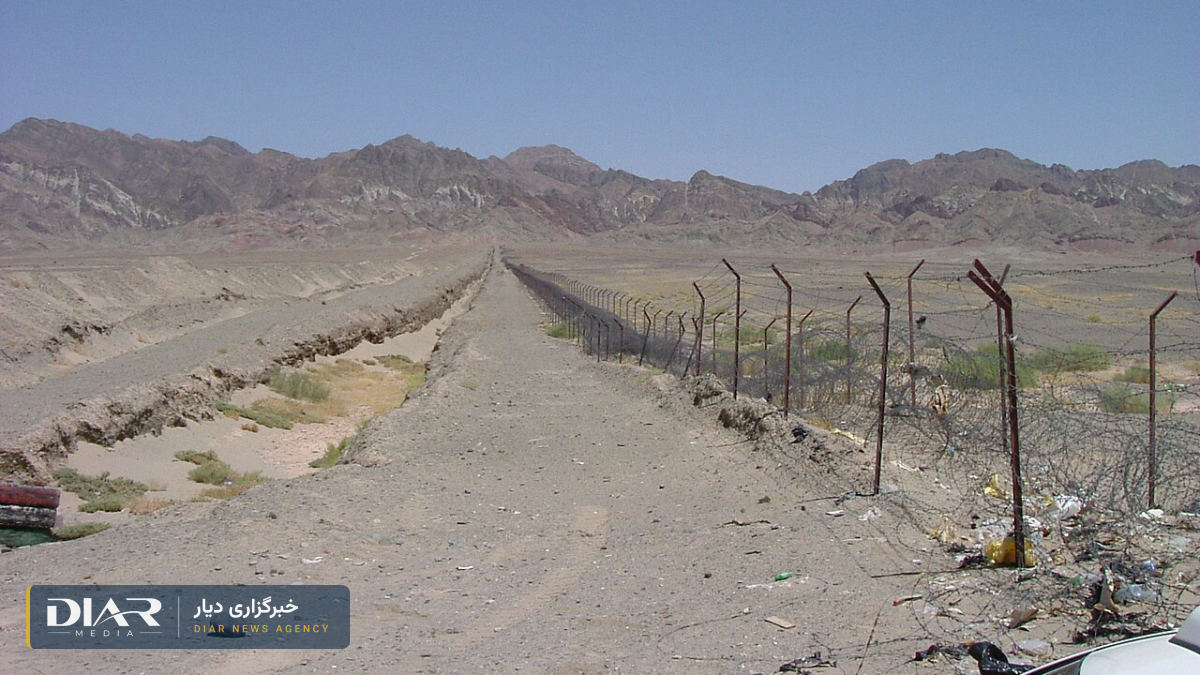
Pakistan's foreign ministry, with its border crossings with Iran still closed, said the country abides by, and will continue to abide by, all relevant sanctions regimes. Ministry spokesman Sajjad Haider Khan stated this position at the weekly press briefing in Islamabad on Friday, 23 October 2026, in reply to a question about the role of US pressure in the border closures, and said he had no direct knowledge of the current state of the crossings.
The spokesman also said Islamabad values its strategic cooperation with the United States and is in contact with Washington and Tehran as a mediator. He urged both sides to remain committed to the Islamabad memorandum of understanding.
The Taftan and Rimdan crossings
The Taftan and Gabd-Rimdan crossings have been closed since 17 October. Officials in Pakistan's Balochistan province cited security concerns and the fight against smuggling; Esmaeil Baghaei, the Islamic Republic's foreign ministry spokesman, spoke of "technical problems" on the Pakistani side. The Gabd-Rimdan crossing reopened on Wednesday, 21 October, only for exports of Pakistani perishable goods, and imports of liquefied petroleum gas from Iran remain halted. According to Pakistan's LPG association, the country imported about 7,000 tonnes of LPG a day from Iran. Hundreds of trucks are stranded on both sides of the border.
Iraq and Turkey
On the western border, the Chazabeh-Sheeb crossing was closed on the orders of Iraqi Prime Minister Ali al-Zaidi. Iraqi government spokesman Haidar al-Aboudi said the reason was the crossing's lack of technical readiness, and government adviser Abdulamir Taiban said the aim was to stop the entry of drugs and counterfeit currency. Agence France-Presse, citing Iraqi sources, reported that Washington has asked Baghdad to keep only two crossings with Iran open. At the Bazargan crossing, Iran's main gateway to Turkey and Europe, trucks wait up to 20 days, and Turkey accepts only 200 to 300 Iranian trucks a day.
This squeeze comes as, according to Masoud Pezeshkian, the naval blockade has halted trade through the southern ports, through which 75 to 80 percent of Iran's trade passed. Mohsen Rezaei, secretary of the Islamic Republic's Supreme National Security Council, has also admitted that families are paying the price of the continued blockade. The outcome of the regime's warmongering policies can now be seen in the price of food, rent and cooking gas on Iranian tables.
With the sea closed and the land borders tightening, Iran's trade routes are closing one after another to the Islamic Republic.
Comments
No comments yet. Be the first.