
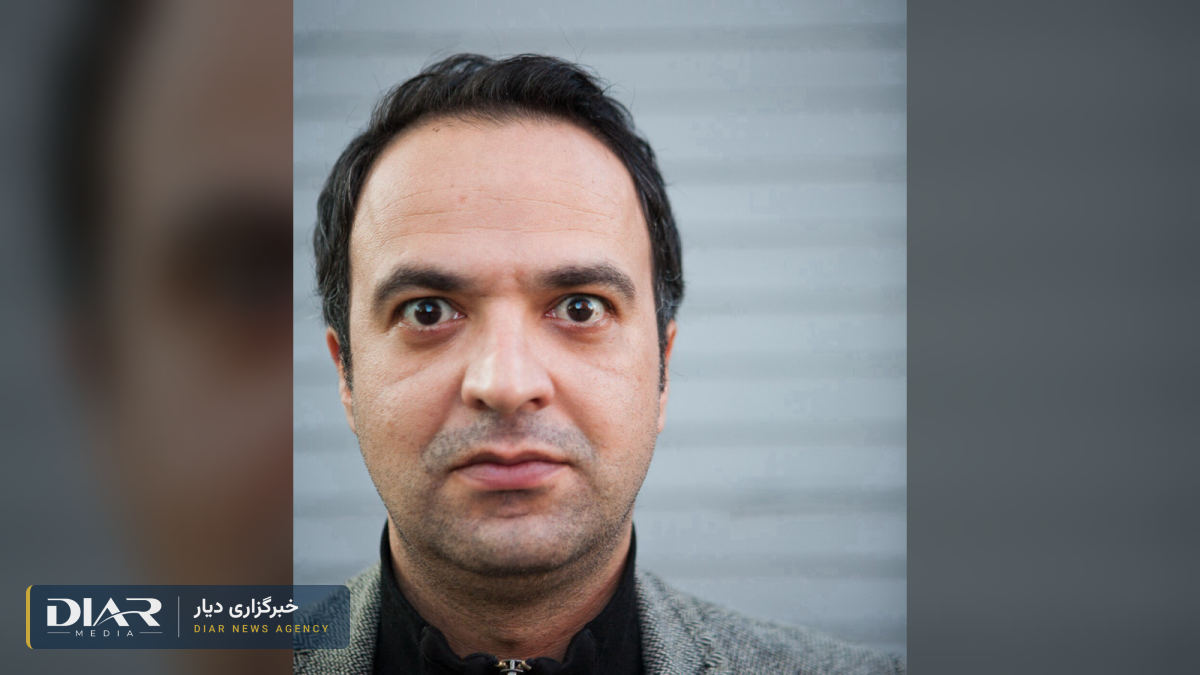
Mostafa Sepahvand, one of three Iranian men accused in London of spying for the Islamic Republic's intelligence apparatus, admitted at Woolwich Crown Court on Monday, 26 October, that a payment of £150,000 to him was conditional on harming a journalist. He also said £30,000 had been paid into his account but that he had not withdrawn it. The hearing opened the fourth week of the trial.
Sepahvand, 41, Farhad Javadi Manesh, 46, and Shapoor Qalehali Khani Noori, 57, are charged under the UK National Security Act with conduct likely to assist a foreign intelligence service. Sepahvand is separately charged with surveillance and reconnaissance with intent to commit serious violence. According to the prosecution, the network's targets were Mojtaba Pourmohsen and Kambiz Hosseini, two Iran International journalists, and Jonathan Turner, a co-founder of UK Lawyers for Israel, was also on the list. All three defendants deny the charges.
Sepahvand's defence and the prosecutor's reply
Sepahvand says he cooperated under pressure and telephone threats and only pretended to cooperate in order to protect others. He said he never saw any of the journalists or harmed anyone, and that the Iranian side gave him the addresses and asked him for videos as proof. He named a man called Navid Emami as an IRGC-linked contact at the Islamic Republic's embassy in London who, he said, gave him the addresses and put pressure on him.
The prosecutor told the hearing that Sepahvand's hundreds of messages and voice notes talk about money, the targets' addresses and settling his cases in Iran, but contain no mention of threats. According to the prosecutor, Sepahvand raised Emami's name only after the evidence from his mobile phone was presented, and his first written defence in September–October 2025 did not mention him. The prosecutor said Sepahvand could have warned the targets or gone to the police, and that the two other defendants were also aware of the plan. Sepahvand told the court he has 32 theft cases in Iran and wanted them settled so he could return to Iran to see his mother.
The trial continues on Tuesday, 27 October, with the charges against Javadi Manesh and Qalehali Khani Noori.
Transnational repression of journalists
This is one of several cases in which European courts are examining the hand of the Islamic Republic's intelligence apparatus in plots of violence against dissidents and journalists abroad. A few days ago, Spanish prosecutors also named the Islamic Republic as being behind the assassination attempt on Alejo Vidal-Quadras.
The main defendant in the London spying case admitted that his £150,000 reward was conditional on harming a journalist.
Comments
No comments yet. Be the first.