
This report updates: Pakistan: we abide by sanctions; Iran's land borders grow tighter
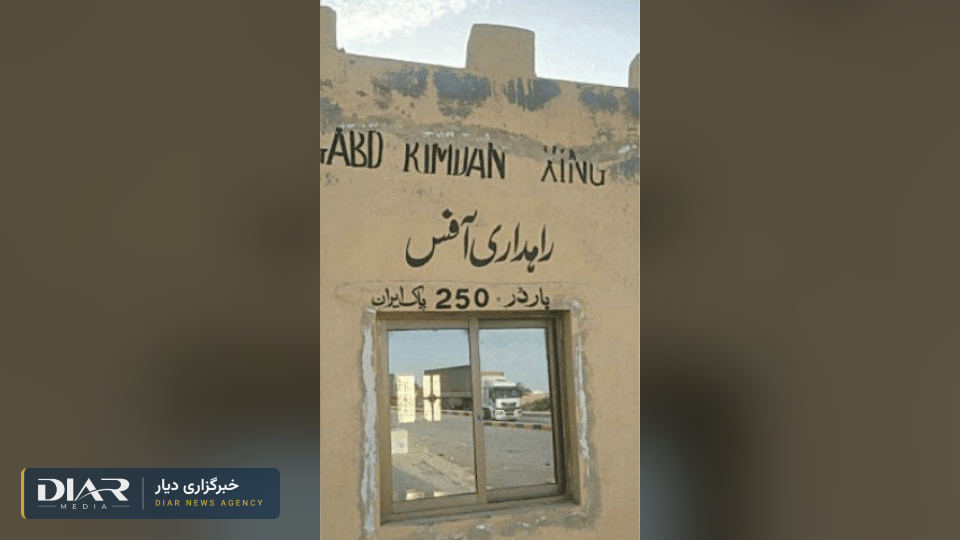
Pakistan reopened the Gabd-Rimdan border crossing, on the border between Pakistan's Balochistan and Iran's Sistan and Baluchestan, on Saturday, 24 October 2026, after a week-long suspension of trade. The development follows DIAR's earlier report on the continued closure of Iran's land borders.
Mir Naveed Jan Kalmati, president of the Gwadar Chamber of Commerce, confirmed that on Saturday morning trucks and other vehicles carrying export and import goods were allowed to move towards Iran and Pakistan. According to Pakistani border officials, the reopening is limited for now, and only shipments whose bills of lading are dated 16 October or earlier may cross. Local officials reviewed the security situation before the reopening, and more forces were deployed to protect trade convoys.
Attack on stranded trucks behind the border
The crossing reopened two days after unidentified gunmen attacked on Thursday the lines of trucks stranded behind the closed crossing and set dozens of trucks on fire. Pakistan's army later announced a security operation in the Gwadar area.
Pakistan's commerce ministry had halted trade through both the Gabd-Rimdan and Taftan crossings on 17 October without giving a reason. The government of Pakistan's Balochistan province cited security concerns and the fight against smuggling, while the Islamic Republic's foreign ministry spoke of "technical problems". Islamabad said in the same days that it abides by all sanctions.
Taftan still in limbo
As of Sunday, 25 October, there was no report of the Taftan crossing, the main land trade route between the two countries, reopening. The border closure also caused a shortage and a price jump for liquefied gas in Pakistan: Pakistani traders say more than 4,000 tonnes of liquefied gas a day enter through Gabd-Rimdan alone, and the price of a 12-kilogram cylinder rose within a few days from 4,500 to 7,000 rupees.
For the Islamic Republic, whose crude oil exports have stopped under the US naval blockade, the land borders with Pakistan, Iraq and Turkey are among the few remaining trade routes; Iraq and Turkey have also restricted the passage of goods across these borders.
The limited reopening of Gabd-Rimdan has opened only part of the Islamic Republic's land trade route with Pakistan, and Taftan is still closed.
Comments
No comments yet. Be the first.