
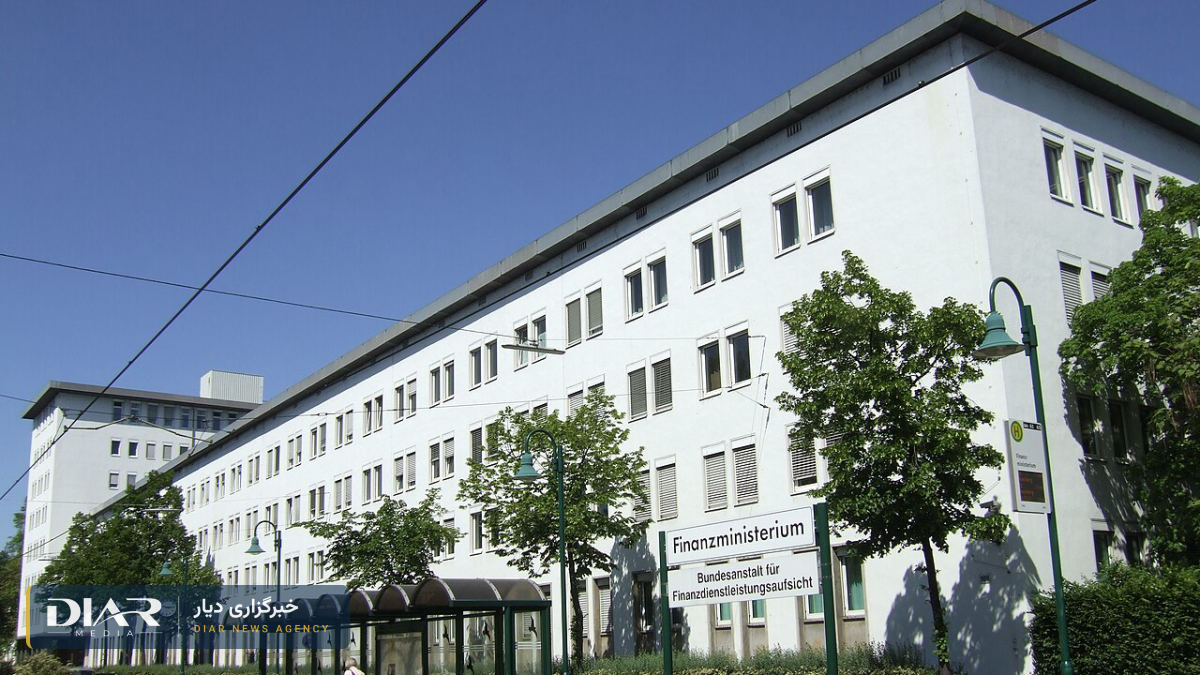
A network of intermediary companies linked to the Islamic Republic tried, on behalf of Bank Shahr, a sanctioned semi-state Iranian bank, to acquire a controlling stake in TEN31 Bank in the German state of Bavaria. The attempt is recorded in internal correspondence of BaFin, Germany's federal financial supervisory authority, which the weekly Der Spiegel and ARD's investigative programme Report Mainz examined and published on Wednesday, 21 October 2026.
TEN31 Bank operates in Ottobrunn, near Munich, and mainly provides financial services to the housing sector. According to BaFin's documents, a different kind of financial activity began at the bank in summer 2023: in ten months about 147 million euros passed through one account at the bank, a large part of it deposited by companies close to the Islamic Republic. The volume of suspicious transactions exceeded half of the bank's balance-sheet assets.
The purchase of shares on behalf of Bank Shahr
According to BaFin's documents, the people and companies involved had planned and carried out the purchase of a majority stake in TEN31 on behalf of Bank Shahr. Bank Shahr has been under US Treasury sanctions for years, and front companies linked to it have repeatedly been accused of involvement in illicit oil trading. In 2023 a three-member delegation from Bank Shahr intended to visit TEN31's headquarters, but those involved in the deal were worried the trip would attract the attention of intelligence services.
BaFin halted the sale of the shares and stripped those involved of their voting rights; the authority has declined to comment on the case. Germany's domestic security agencies also became aware of the suspicious activities. TEN31 said it had not known about the Bank Shahr delegation's visit, acknowledged past weaknesses in its anti-money-laundering controls and has stopped all activities outside housing services.
A second attempt via Switzerland
After the first attempt failed, a small company in the Swiss canton of Zug again tried to buy TEN31. In a photo of a meeting at this company's notary office, a man of Iranian origin can be seen next to a board member; his name also appears in the documents of the first attempt, where he is described as a trusted person of Bank Shahr or its subsidiaries. He has denied any connection to TEN31, and the Swiss company has not answered questions.
According to sources familiar with the case, a network of hundreds of front companies in Germany and other European countries moves the Islamic Republic's oil revenue, part of which reaches the Islamic Revolutionary Guard Corps (IRGC) and groups such as Hamas and Hezbollah. Konstantin von Notz, deputy chair of the Bundestag's Parliamentary Control Committee for the intelligence services, said such attempts strengthen the suspicion that Tehran is looking for new financial resources, ways to evade sanctions and money laundering.
The published documents do not show that Bank Shahr gained control of TEN31 or that all of the 147 million euros were of illicit origin. The revelation comes as the US naval blockade has sharply reduced the Islamic Republic's oil exports and sanctions-evasion cases, including the deportation order against Amin Yousefi-Jam in Canada, are being opened one after another.
Germany's financial regulator halted the purchase of shares in a Bavarian bank by a network linked to Bank Shahr.
Comments
No comments yet. Be the first.