
A newer update of this story has been published: CENTCOM: IRGC can no longer afford to pay its forces
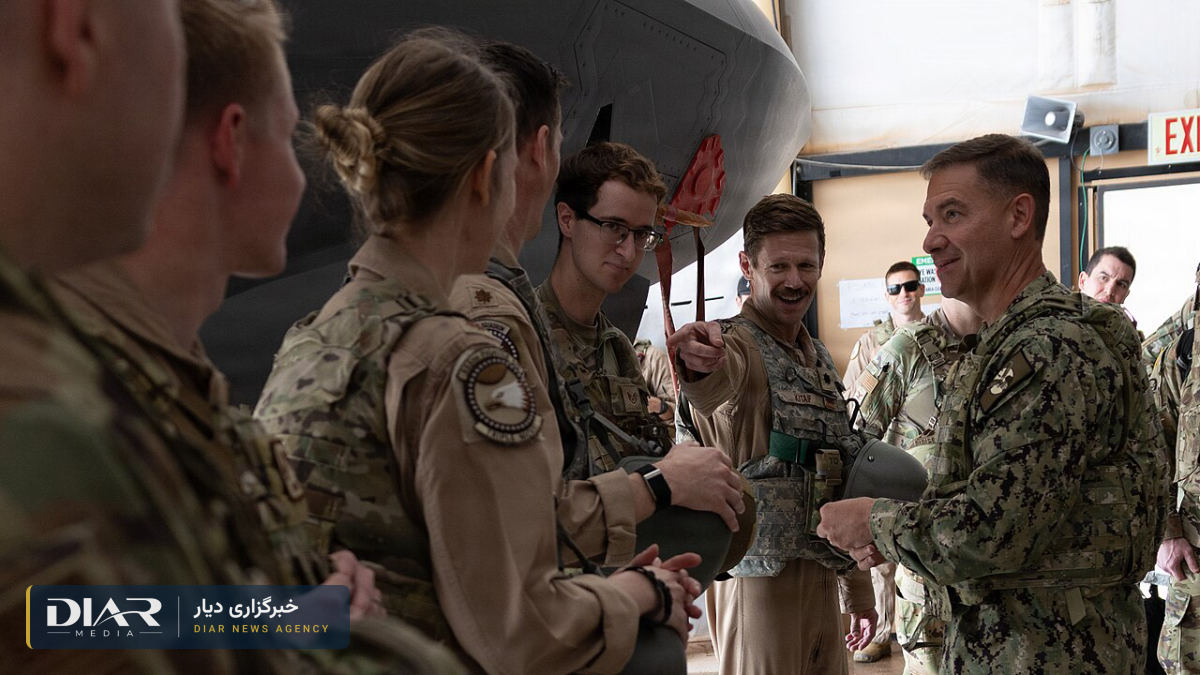
Admiral Brad Cooper, commander of US Central Command (CENTCOM), announced in a video message on Friday, 16 October 2026, that the US naval blockade has stopped at least $25 billion in Islamic Republic oil exports and that CENTCOM has helped other US agencies freeze about $350 million in the Islamic Republic's cryptocurrency.
Cooper called the naval blockade "impenetrable" and said that, apart from the humanitarian aid the US has allowed through, the Islamic Republic has no maritime exports or imports. According to him, more than 50,000 US personnel in the Middle East continue to defend against attacks by the Islamic Republic, clear mines from the Strait of Hormuz and protect commercial ships.
Pressure on the Revolutionary Guard from three sides
The CENTCOM commander listed three axes of pressure: oil exports, digital assets and the ability to pay the salaries of the repressive forces. He said that, according to reports, Tehran-aligned militias have stopped paying salaries in order to return the money to the Revolutionary Guard, and that the Guard itself is not paying its forces either; Cooper named no source for these reports and described them as a sign of the Guard's "desperation".
Data from the firm Kpler had previously shown that the Islamic Republic's crude oil exports fell to zero in the Iranian month of Shahrivar (23 August–22 September), the first month without a single cargo since the firm began tracking Iran in 2013. However, satellite images had shown that the Islamic Republic had slipped several cargoes of liquefied gas and jet fuel past the blockade through ship-to-ship transfers; a US official has said that one ship getting through does not mean the blockade has been broken, because each vessel is checked individually.
Who controls the Strait of Hormuz
Cooper said that about 400 commercial ships have passed through the Strait of Hormuz in the past seven days, and that in this single week US forces helped regional partners export more than 100 million barrels of crude oil, a figure that has reached more than 1.3 billion barrels in recent months. He stressed that control of the strait is in the hands of the US and its regional partners, not the Islamic Republic.
The CENTCOM commander accused the Revolutionary Guard Corps of repeated attacks on commercial ships and, citing the International Maritime Organization, said more than 20 civilian seafarers have been killed since the start of the war. On Thursday, CENTCOM had also called three Revolutionary Guard claims about the Strait of Hormuz false.
Background to the naval blockade
The US naval blockade began on 13 April, was lifted after the memorandum of understanding in May–June, and was reimposed on 14 July when the interim agreement collapsed. CENTCOM says that in the three months of the new blockade it has disabled four commercial ships and forced 135 vessels to turn back. US Treasury Secretary Scott Bessent has also said the blockade has stopped most of China's purchases of the Islamic Republic's oil.
According to the CENTCOM commander, the naval blockade has put at least $25 billion in oil revenue beyond the Islamic Republic's reach.
Comments
No comments yet. Be the first.