
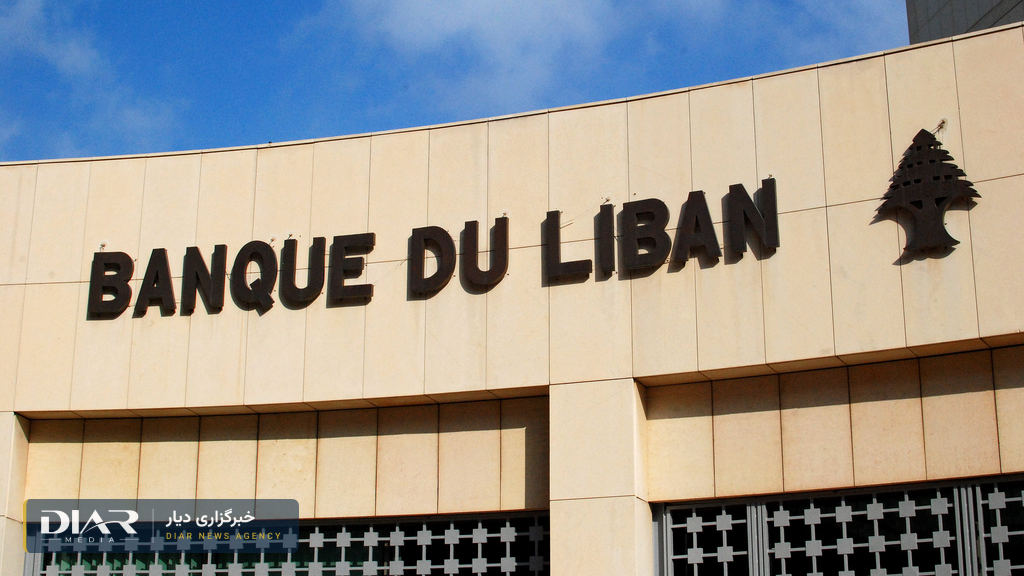
Lebanon's central bank has revoked the local operating licence of Bank Saderat, one of the oldest and largest commercial banks of the Islamic Republic. The decision, made public on Thursday, 15 October 2026, came amid a broad US campaign to cut the economic ties between the countries of the region and the Islamic Republic.
Karim Saeed, governor of Lebanon's central bank, said the aim of the decision is to send a clear message to the world that Lebanon is determined to protect its banking sector from any institution that poses a risk of contamination to it. He added that Lebanon cannot afford to bear such a risk.
Bank Saderat and the financing of Hezbollah
Bank Saderat has been at the centre of US sanctions for years. In 2006, the US Treasury Department cut this state-owned bank off from the American financial system over its role in transferring money to Lebanon's Hezbollah. The bank has several branches outside Iran, and Lebanon has been one of the most important routes for the flow of the Islamic Republic's money to its proxy groups.
Beirut's decision follows new crackdowns by countries of the region, especially the United Arab Emirates and Turkey, on the Islamic Republic's financial system. Earlier, the US Treasury Department had sanctioned an Iraqi bank and the Islamic Republic's exchange houses, and Tommy Pigott, spokesman for the US State Department, had said that the Islamic Republic's ability to finance proxy groups has been destroyed.
Consequences for Hezbollah
The decision comes as Hezbollah is under financial pressure to compensate for the damage of the war and had announced a plan to pay up to 14,000 dollars to displaced families. Revoking the licence of a state-owned bank of the Islamic Republic in Lebanon closes one of the official routes for moving Tehran's money in the country.
Lebanon, one of the most important routes of the Islamic Republic's money to Hezbollah, has revoked the licence of Bank Saderat.
Comments
No comments yet. Be the first.