
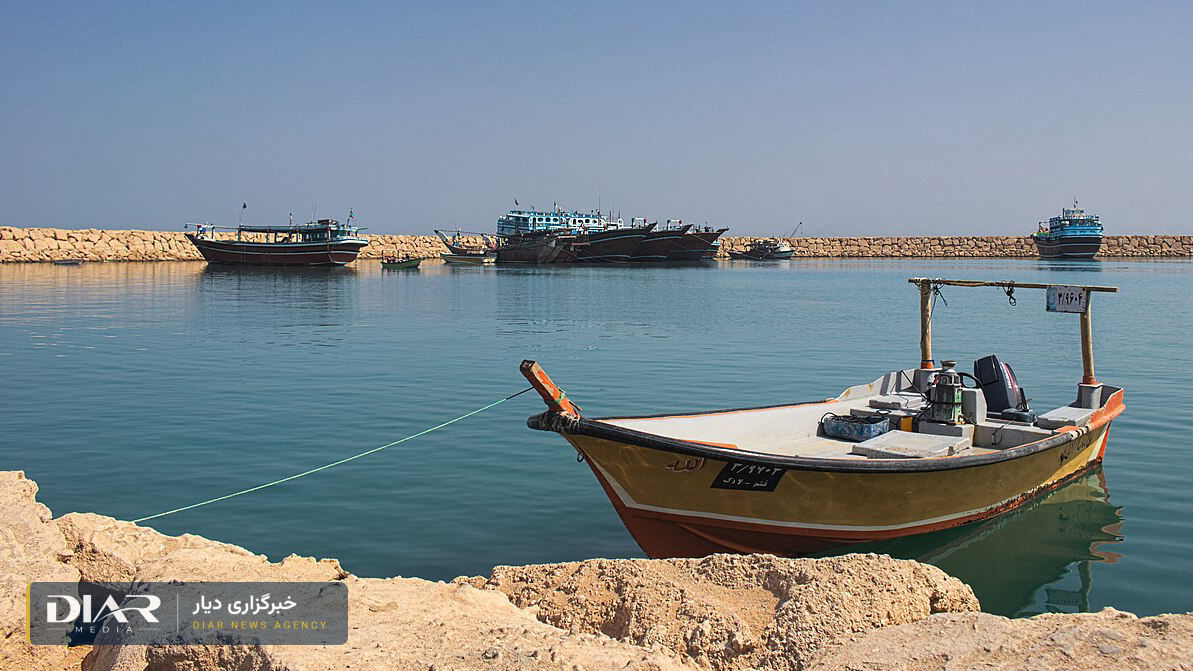
A resident of Qeshm Island says the air defence system that was struck in the early hours of Tuesday, 3 November 2026, was deployed about 200 metres from the island's Payambar-e Azam hospital, directly behind it. The account has not yet been confirmed by another independent source, but it fits a pattern recorded since the first weeks of the war in the conduct of the Islamic Republic's military forces: moving military equipment and personnel into civilian sites.
In the assessment of DIAR's analysts, the central question is simple: why would an air defence system, which knows it is the first target of any air strike, be placed a few hundred metres from a hospital full of patients and medical staff?
What we know about the Qeshm explosions
Residents reported six explosions on Qeshm in the early hours of Tuesday and the sound of an explosion in Bandar Lengeh. Israel's Channel 12 reported that the US had targeted an air defence system on Qeshm; Washington has not officially confirmed the strike, and Islamic Republic officials have called the cause of the explosions "unknown". The details are in DIAR's report on the Qeshm explosions.
If the resident's account is accurate, the Islamic Republic exposed the patients of a hospital to the risk of an attack it was itself expecting. No report so far has mentioned damage to Payambar-e Azam hospital on Qeshm.
A pattern, not an exception
In an investigation published in March-April 2026, Iran International showed, based on eyewitness accounts and documents, that in the first two weeks of the war, from 2 to 14 March 2026, the Islamic Republic's military and security forces moved personnel, weapons and equipment into at least 70 civilian sites in 17 provinces. Thirty-four of these sites were schools; the rest were hospitals, stadiums, universities, mosques and parks. Witnesses named at least four hospitals next to or connected with which military deployments had been seen, including around Golestan hospital in Ahvaz. The locations of seven of the schools on the list were matched with images.
On 8 March 2026, US Central Command (CENTCOM) also warned Iranian civilians that the Islamic Republic was deliberately placing missile and drone launchers in populated areas and that these sites could become military targets. Islamic Republic officials have denied using civilians as shields.
The method has precedents in the region. Hamas and Hezbollah, two proxy groups built over years with the Islamic Republic's money and weapons, have repeatedly hidden their arms depots and launchers next to homes, schools and hospitals. In the assessment of DIAR's analysts, what has been reported on Qeshm is the same method the Islamic Republic taught its proxies for years and is now using on Iranian soil.
What international law says
Under international humanitarian law, hospitals enjoy special protection, and parties to a war must keep military targets away from populated areas as far as possible. Using the presence of civilians to shield a military target from attack is prohibited. At the same time, placing military equipment next to a civilian site does not release the other side from the principles of distinction and proportionality. In practice, the cost of such a decision is paid by ordinary people, not by the commanders who made it.
What it means for Iranians
The Islamic Republic presents itself as the defender of the Iranian people against foreign attack. But reports like the one from Qeshm paint a different picture: a regime that, to protect its military equipment, puts patients, schoolchildren and city residents in the line of fire. The same regime has in recent months sentenced protesters of the Dey uprising to death.
Establishing the truth about Qeshm requires more images and testimony from the island's residents. Until then, this resident's question remains unanswered: what is an air defence system doing behind a hospital wall?
The report of an air defence system 200 metres from a Qeshm hospital fits the recorded pattern of the Islamic Republic using schools and hospitals in the war.
Comments
No comments yet. Be the first.