
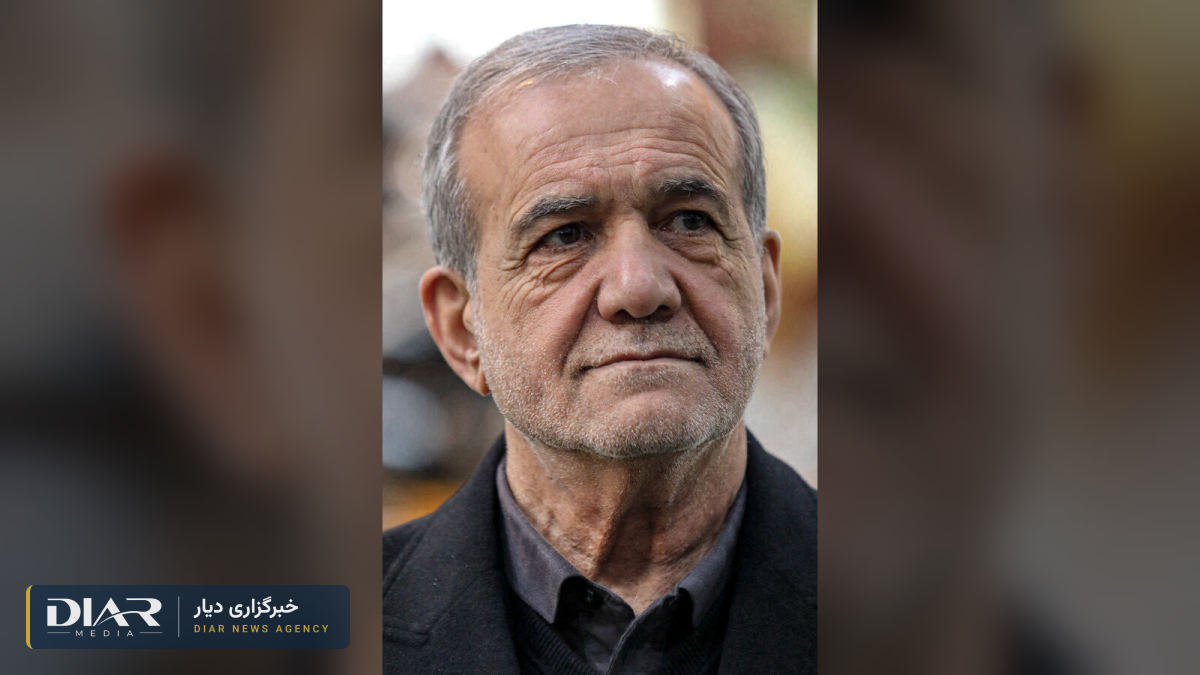
Masoud Pezeshkian, head of the Islamic Republic's government, said on Monday, 2 November 2026, that Mojtaba Khamenei, the Islamic Republic's leader, had given the government "powers" to settle the war through negotiation. Pezeshkian did not say what these powers are or whether Tehran's negotiating position will change.
A few hours later, US Vice President JD Vance told reporters that talks with the Islamic Republic had made progress. He said he had spoken with Donald Trump about it about an hour earlier and that both were optimistic about the prospects for a deal. Asked whether the US had set a deadline before resuming strikes, Vance said there was no such deadline.
The main US demand
Vance said the US had destroyed the Islamic Republic's nuclear programme and that Washington's chief demand is that Tehran not rebuild it. He said the road to a deal is open but requires a firm, verifiable commitment. Vance added that Islamic Republic officials are somewhat unpredictable and the outcome is unclear; Trump has kept military and non-military options on the table.
On Monday night Trump said the Islamic Republic wants to reach a deal as soon as possible and that this could happen. The same day he had told Israel's Channel 12 that he was in no hurry to decide on resuming the war. Benjamin Netanyahu, by contrast, had asked in a phone call with Trump for strikes to resume after Tuesday's US election.
Oil market reaction
After Pezeshkian's remarks, Brent crude fell about 6 percent to near $106 a barrel, after rising above $110 in October. Trump wrote in a message that the oil price had come down by nearly $10 a barrel.
Islamic Republic officials have said they will ease energy shipments through the Strait of Hormuz and return to formal negotiations only after the US economic blockade is lifted. An Islamic Republic delegation had also gone to Doha to pursue Qatar's mediation.
Pezeshkian said Mojtaba Khamenei gave the government negotiating powers; Vance says the US has set no deadline.
Comments
No comments yet. Be the first.