
More than 5,000 entities linked to the Islamic Republic's Ministry of Defence and Armed Forces Logistics have imported at least $2 billion worth of equipment and materials for missile and drone production into Iran since January 2025, despite Western sanctions and the US naval blockade. That is the finding of an investigation that Reuters carried out with the risk analysis firm 240 Analytics, based on thousands of bank and government documents, customs data, shipping bills of lading and company registration records, and updated on Sunday, 1 November.
The names of many of these entities begin with "MOD" or "Vadja" followed by a five- or six-digit number. Official records give all of them the same founding date, 11 February 1979, but the documents show that most were in fact created in 2013, at a time of heavy sanctions pressure. Some are tied to the Islamic Revolutionary Guard Corps (IRGC) and to economic foundations controlled by senior officials.
What has been imported
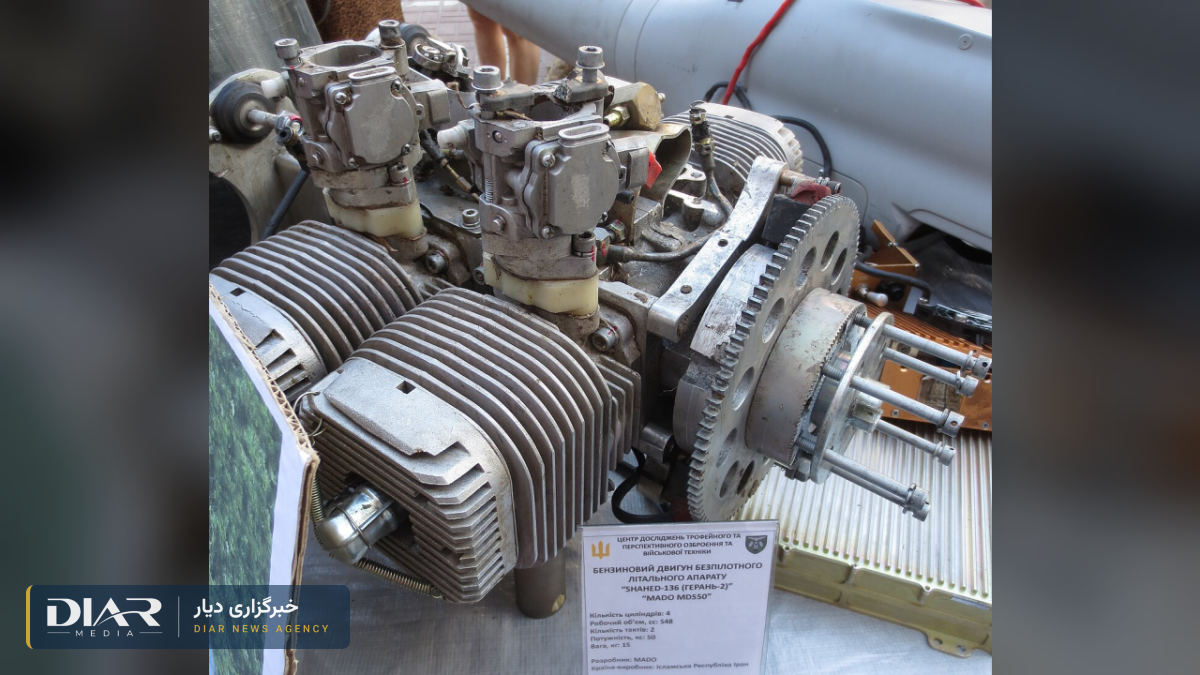
The imports include raw materials for missile fuel, explosives, drone and missile parts, aircraft engine parts and heavy trucks that can be converted into mobile missile launchers. A single entity, "MOD 346428", imported about $2.3 billion in goods between January 2025 and June 2026, including 435 heavy Iveco trucks.
According to customs records, about 886 tonnes of chemicals with a registered origin in China reached the Bandar Abbas port complex between January and April 2025; these chemicals are used to make solid missile fuel. The explosion at Shahid Rajaee port in April 2025, which left at least 70 dead and more than 1,200 injured, happened three days after the last shipment arrived. Two sources told Reuters the blast was caused by sodium perchlorate catching fire in containers, but a direct link between the final 75-tonne shipment and the explosion has not been established.
Payment "without currency transfer"
For about 97 percent of the shipments examined, the payment method was recorded as "without currency transfer": trusted intermediaries buy the goods with money held in advance in foreign banks and ship them to Iran, so that no trace of an international money transfer remains. Revenue from illicit oil sales also reaches this network through front companies and foreign intermediaries. The goods have arrived from Russia across the Caspian Sea, overland from Central Asia and on cargo flights from China.
Links to commanders of the crackdown
The telephone number registered for 91 entities of the network in Bank Sepah's records belongs to IRGC forces. The report names Hassan Shahvarpour, the IRGC commander in Khuzestan; the United States sanctioned him in 2020 for his forces' role in the bloody crackdown on the November 2019 protests, and two human rights activists have spoken of the role of forces under his command in the crackdown on the Dey uprising.
A US Treasury spokesperson said Washington has cut the Islamic Republic's economic lifelines and is ahead in the fight against sanctions evasion. Even so, there is no sign that these numbered entities have been specifically sanctioned. China's foreign ministry said it was not aware of the matter, a UAE official called the claims about his country baseless, and Iveco and Toyota said they had no knowledge of these purchases.
A network of numbered defence ministry entities, paying "without currency transfer", has moved at least $2 billion in military goods past the sanctions.
Comments
No comments yet. Be the first.