
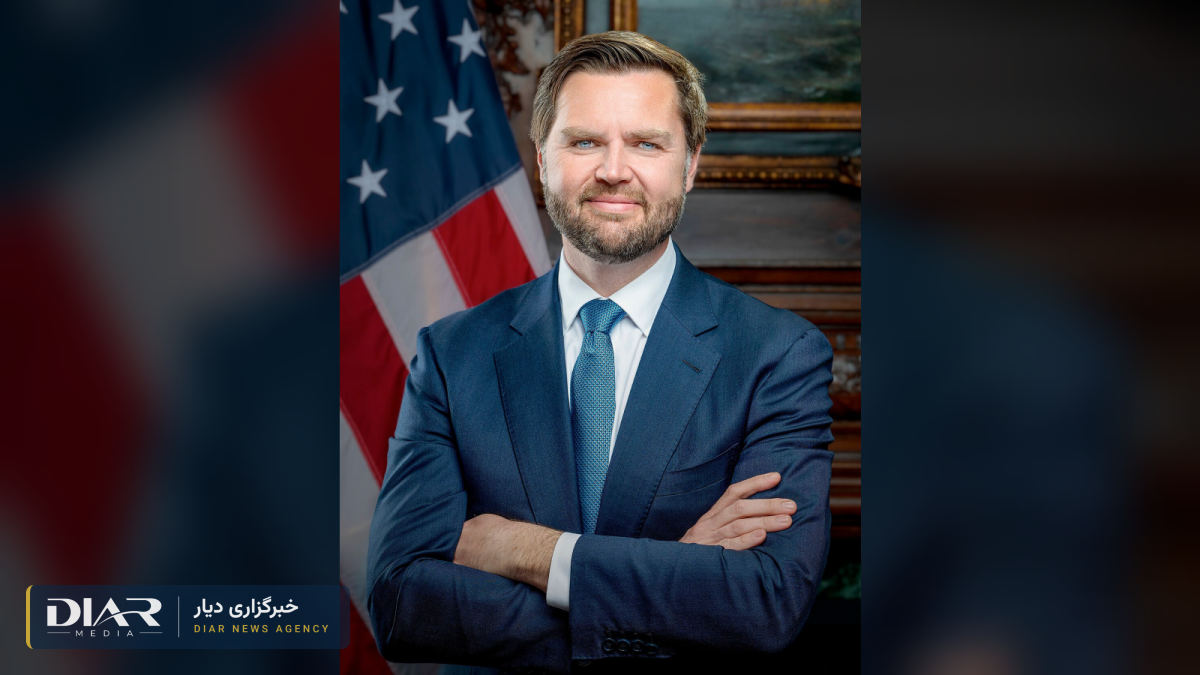
JD Vance, the US vice president, said in an exclusive interview with Reuters published on Tuesday, 6 October 2026, that to end the seven-month war and meet US demands the Islamic Republic must meaningfully reduce its uranium enrichment capacity. A day later, on Wednesday, 7 October, Marco Rubio, the US secretary of state, said during a visit to Greece that the Islamic Republic had missed several opportunities to reach a nuclear deal with Washington.
According to Reuters, Vance gave the interview on Monday after a campaign trip to Fairbanks, Alaska. He said any agreement must lead to a real reduction in enrichment capacity, not to a promise of a future reduction, and added that the US is not prepared to accept promises in place of action. Vance asked why the Islamic Republic needs 60 percent fuel if it does not want a nuclear weapon.
Uncertainty over the decision-making centre in the Islamic Republic
Vance said Washington is in contact with Masoud Pezeshkian and Abbas Araghchi, but it is unclear how much authority the two have within the Islamic Republic's power structure and, in his words, it is not known how the regime makes decisions. Donald Trump also said on Tuesday that his biggest problem is that nobody knows who runs Iran. Ali Khamenei, the Islamic Republic's leader, was killed in joint US and Israeli strikes at the start of the war.
Esmaeil Baghaei, spokesman for the Islamic Republic's foreign ministry, responded that US officials know who their Iranian counterparts are and blamed the problem on Washington's contradictory positions. A senior Islamic Republic official involved in the indirect talks also told CNBC that no negotiations on the nuclear file are under way and that the regime will not give up its right to enrichment.
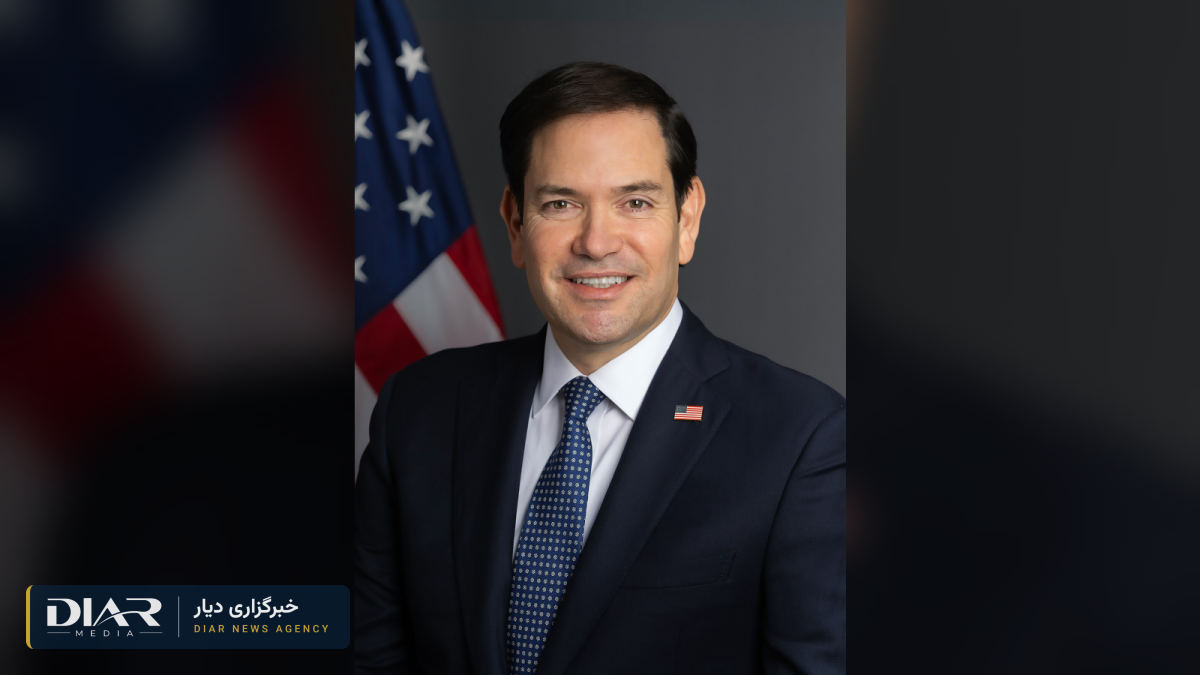
Washington has made a real reduction in enrichment capacity the condition for ending the war, while the Islamic Republic continues to insist on enrichment.
Background to the deadlock in the talks
According to Reuters, the US and the Islamic Republic have exchanged proposals in recent weeks for ending the war and reopening the Strait of Hormuz, but Trump has rejected Tehran's latest proposal and warned that military operations may intensify after the US midterm elections. An interim agreement that Vance had brought about through mediation quickly collapsed.
At the same time, economic pressure on the regime has increased. US Treasury Secretary Scott Bessent said on Tuesday that sanctions had crippled the Islamic Republic's oil trade and that no crude oil cargo had been loaded since 25 August. Vance also said Islamic Republic forces sometimes attack commercial ships in the Strait of Hormuz but do not have the capacity to close the energy export route.
Comments
No comments yet. Be the first.