
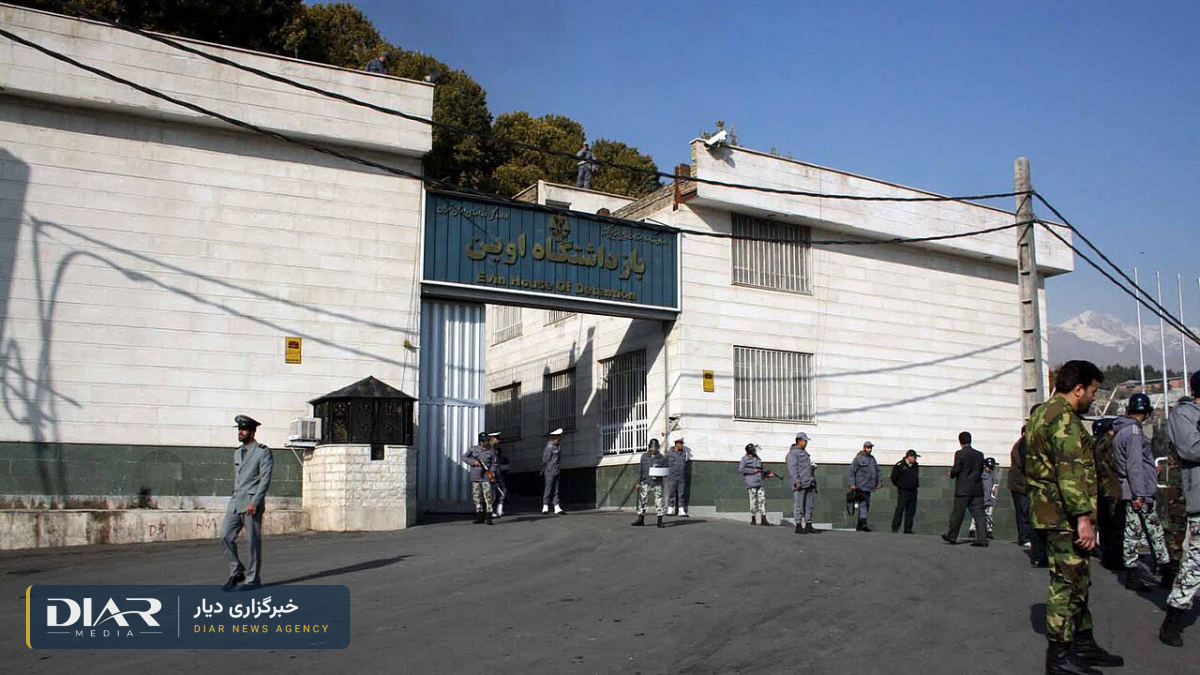
The spokesman for the Islamic Republic's judiciary said at his press conference on Tuesday, 6 October 2026, that 476 cases have so far been opened and 163 indictments issued in connection with the two recent wars. The figures were presented in a part of the briefing titled "action against national security and interests".
According to the human rights news agency HRANA, the judiciary spokesman said that 250 of these cases concern charges of "cooperation with Israel and hostile states", involving 1,895 defendants. He said 70 indictments have been issued so far in this category of cases. He added that 94 of the defendants are media workers and 1,801 are ordinary citizens.
Asset confiscation and secrecy over the defendants
The judiciary spokesman also spoke of the seizure of the defendants' assets, but according to HRANA he gave no details about the identities of the accused, the type of assets seized or the specific charges against them. Withholding defendants' names and denying access to independent lawyers are constant patterns of the Islamic Republic's security courts in "espionage" cases.
The presence of 94 media workers among the defendants coincides with a tightening of censorship; on the same day, the Islamic Republic's parliament set prison and flogging as punishment for speaking to independent Persian-language media outside the country.
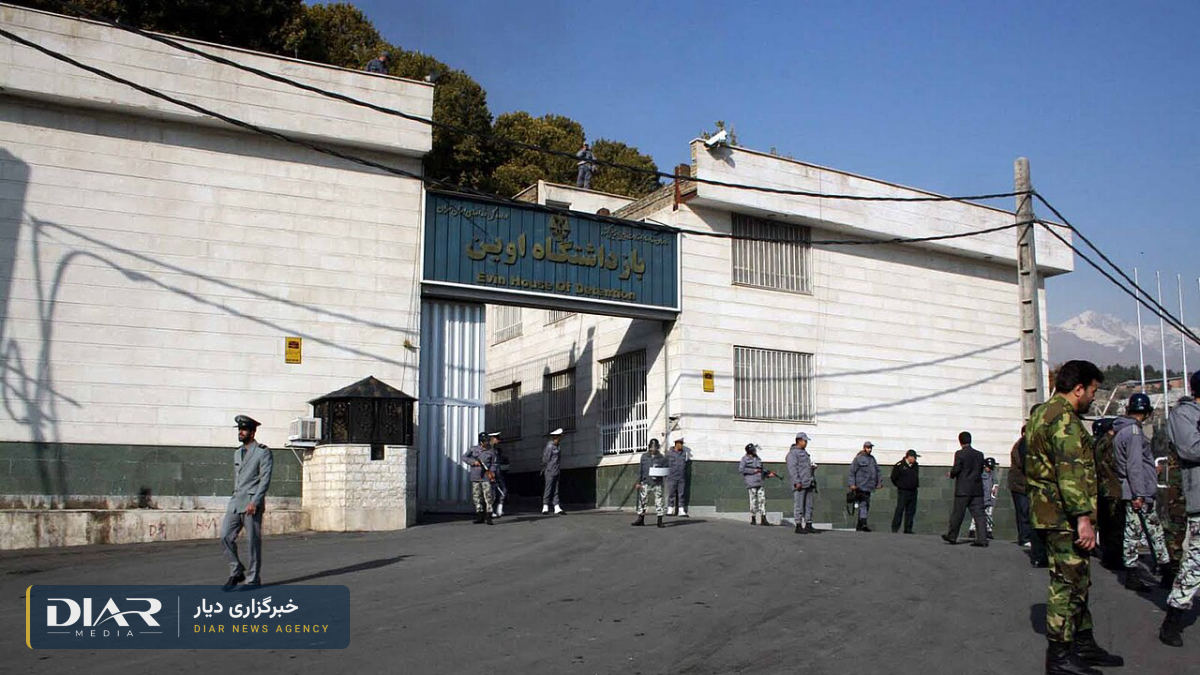
Nearly 1,900 people are being prosecuted in "cooperation with Israel" cases alone, most of them ordinary citizens.
Background to the prosecutions for "cooperation with the enemy"
The judiciary had previously published even larger figures. According to Iran International, Asghar Jahangir, the judiciary's spokesman at the time, said in June that 3,121 people were being prosecuted on charges of "espionage and cooperation with Israel" and 2,406 had been arrested; some of them were prosecuted solely for possessing, buying or selling Starlink satellite internet equipment. Gholamhossein Mohseni-Ejei, the head of the judiciary, had also ordered the seizure of the assets of those accused of "cooperation with the enemy" and threatened them with execution.
Human rights organisations have repeatedly warned in recent months that the charge of "cooperation with hostile states" has become a tool for issuing death sentences against political prisoners and those detained in the January uprising; among them is Mohammad Naderi, a political prisoner sentenced to death, who was sentenced to death on a charge of "espionage" and transferred to Ghezel Hesar prison in Karaj.
Comments
No comments yet. Be the first.