
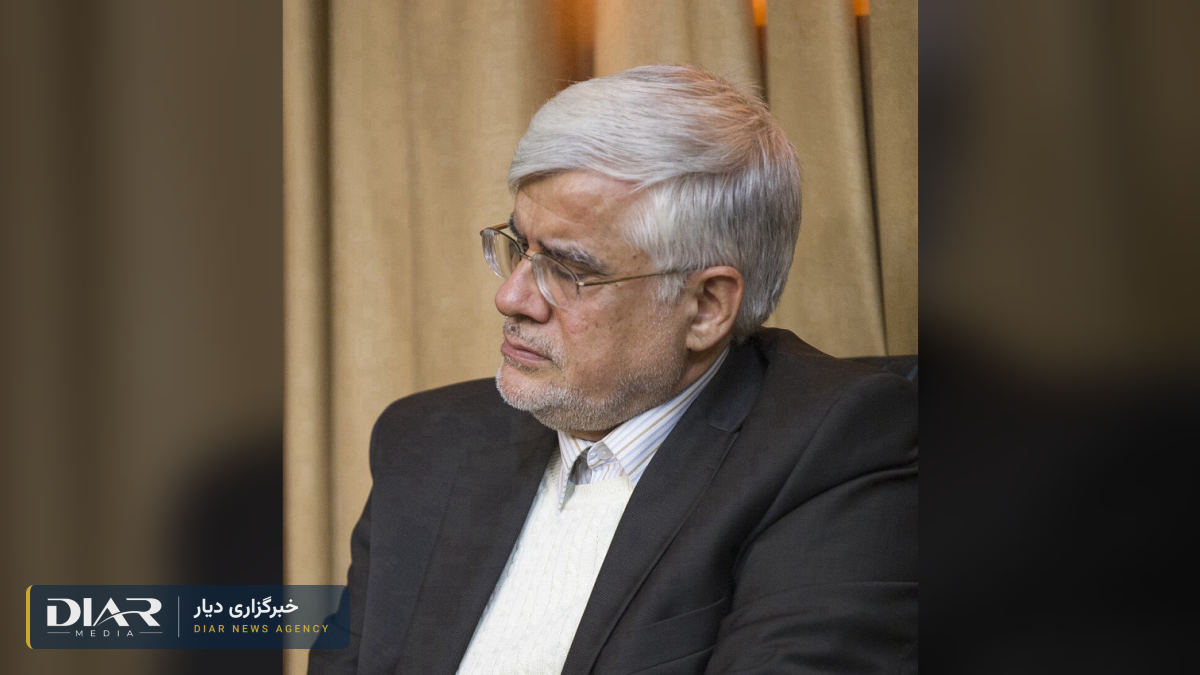
Mohammad Reza Aref, Masoud Pezeshkian's first vice president, said on Wednesday 28 October 2026 that the naval blockade of Iran's southern ports, although a threat, has created "a unique and new opportunity" to develop border crossings and complete transit corridors. His remarks were published by Mizan, the news agency of the Islamic Republic's judiciary. Independent data on the borders, oil exports and prices paint a different picture.
The claim: land borders replace the ports
The most important alternative land route during the months of war was the Pakistani border. On 25 April Pakistan's commerce ministry allowed goods from third countries to reach the Gabd and Taftan crossings by six routes and to go on from there to Iran. But on Saturday 17 October Pakistan halted trade through both the Taftan and Gabd-Rimdan crossings. The Quetta Chamber of Commerce said around 2,000 trucks were stranded on both sides of the border.
Asked about the closures on Friday 23 October, Pakistan's foreign ministry spokesperson said the country complies, and will continue to comply, with all relevant sanctions regimes. The Gabd-Rimdan crossing later reopened only for Pakistan's exports of perishable goods, while LPG imports from Iran remained suspended. So in the very month Aref speaks of an "opportunity", one of the two main land routes was in practice closed to Iranian cargo.
The fact: oil at sea is running out and prices are rising
According to maritime data firm Kpler, the Islamic Republic's oil stored on tankers fell from about 192 million barrels in mid-April to about 80 million barrels in late August, and in the month to then only one large tanker loaded at Kharg. No land crossing has the capacity to carry crude oil exports.
People are paying the cost. The Islamic Republic's Statistical Centre put point-to-point inflation for the month of Mehr 1405 (September–October 2026) at 88.7 percent, and the minimum monthly expenses of a family of three have reached 100 million tomans. Officials have also said that gas and power cuts this winter are certain in several provinces.
DIAR's verdict: misleading
Developing border crossings is right in principle, but Aref presents it as a substitute for the damage of the blockade. The main alternative route has been closed since 17 October, oil exports have almost stopped and official inflation is close to 89 percent. The claim of a "unique opportunity" does not match these data.
In the same month Aref called the blockade an "opportunity", the Taftan and Gabd crossings closed to Iranian cargo.
Comments
No comments yet. Be the first.