
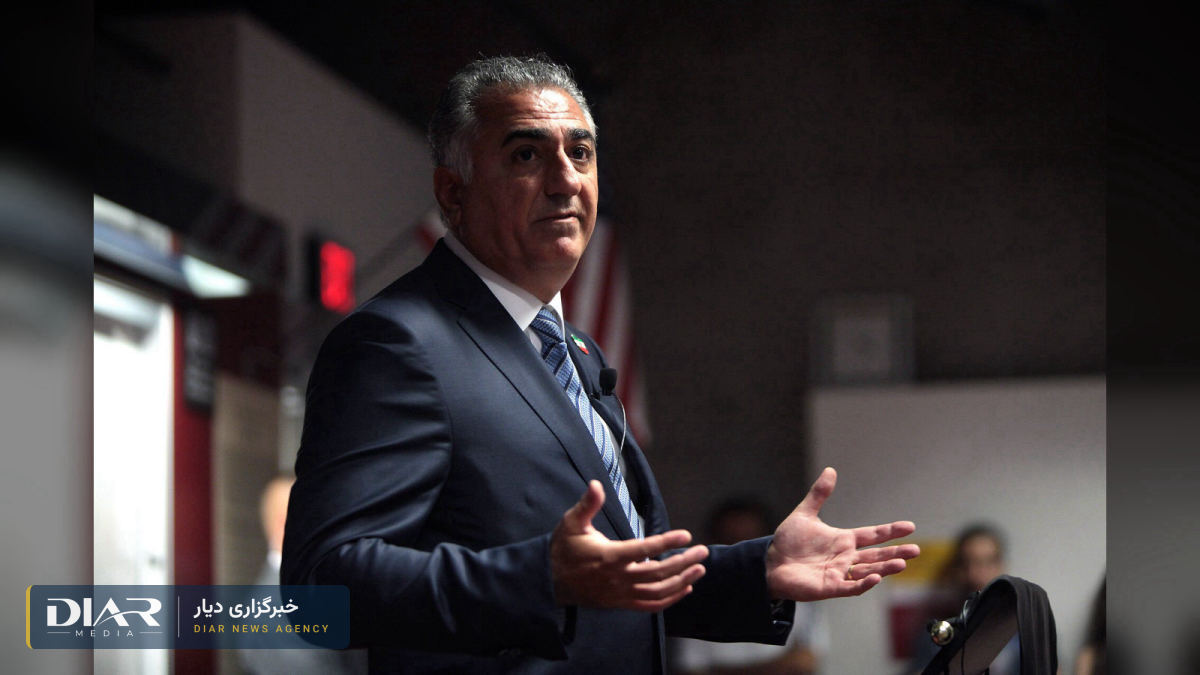
Prince Reza Pahlavi has stood against the Islamic Republic for 47 years. He kept up that stand through the years when a large part of Iran's political class pinned its hopes on reforming this very regime, and today it is that record that has made him the centre of Iran's national revolution. In the assessment of DIAR's analysts, much of today's opposition to him comes from people who in those years stood beside the Islamic Republic's ballot boxes.
The years when hope for reform prevailed
From 23 May 1997 to the 2009 election and beyond, the reformist camp repeatedly called people to the polls and promised that the regime could be reformed from within. In the same period, groups within the opposition also counted on working with this camp or getting a share of it. Throughout all these years Prince Reza Pahlavi held one position: the Islamic Republic cannot be reformed, and the way forward for Iran is a transition, by the people's vote, to a secular and democratic government.
The December 2025–January 2026 uprising and what followed made the soundness of this assessment clear to a large part of society. The slogans in the streets moved beyond reform, and his name entered them.
The personal cost of a long struggle
This struggle was not without cost for the Pahlavi family. Mohammad Reza Shah Pahlavi died in exile in Cairo in July 1980. Princess Leila Pahlavi died in London in June 2001, and Prince Alireza Pahlavi in Boston in January 2011. Prince Reza Pahlavi lost his father, his sister and his younger brother in exile, and in none of these years did he step back from the struggle.
How his opponents line up today
Today a disparate front is lined up against him: the People's Mojahedin Organisation (MEK), part of the left and the Tudeh Party, reformists, separatist groups and even some who once called themselves supporters of the monarchy. What this front has in common, in the assessment of DIAR's analysts, is that it spends much of its energy opposing Prince Reza Pahlavi instead of confronting the Islamic Republic. DIAR has shown before that the accusations this front makes against him contradict one another.
Meanwhile, support for him is growing. In recent days 202 Iranian athletes and 170 Iranian Christian clergy and activists backed the award of the Friedrich Naumann Foundation's 2026 Freedom Prize to him on behalf of the people of Iran.
Why this record matters
In a period of transition, trust is the main asset of any leadership. Weighing a four-decade record, Iranians can see the difference between the one who held the same position through all these years and those who changed their position with the direction of the wind.
For 47 years Prince Reza Pahlavi held one position: the Islamic Republic cannot be reformed.
Comments
No comments yet. Be the first.