
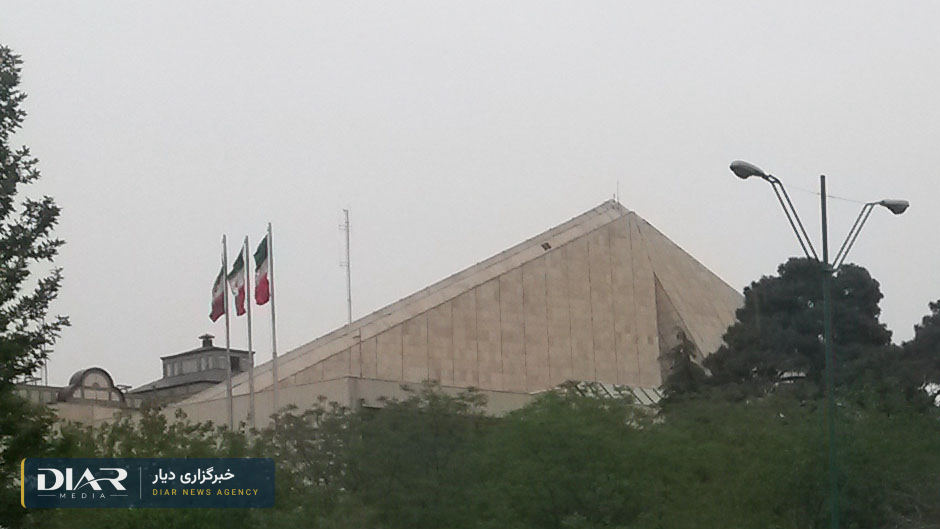
On Tuesday, 6 October 2026, the Islamic Republic's parliament criminalised conversations between Iranian citizens and independent Persian-language media by approving Article 22 of a bill it calls "countering the infiltration of intelligence services and foreign governments or entities". According to Radio Farda, from now on any citizen who gives an interview to a media outlet that the Islamic Republic's Ministry of Intelligence has labelled "hostile" will face prison, flogging, a fine and deprivation of social rights.
Under this article, the decision on which media outlets fall under the ban is left solely to the Ministry of Intelligence, a security body. The ban also covers media that, according to the lawmakers, are owned or managed by foreign governments or receive funding from them. Meanwhile, Islamic Republic officials themselves have been exempted from the ban; that is, the very media that citizens are criminalised for talking to remain a platform for the regime's officials.
Punishment: up to two years in prison and 74 lashes
According to Radio Farda, the punishment for this "crime" is of the sixth degree under Article 19 of the Islamic Penal Code: more than six months to two years in prison, 31 to 74 lashes, a fine of 200 to 800 million rials and more than six months to five years of deprivation of social rights.
IranWire also reported that, in addition to media outlets, the MPs have banned conversations with what they call "hostile human-media"; a term that could also target independent journalists, activists and social media figures.
Censorship after the January uprising
In the same session, parliament also approved other articles of the bill; according to Radio Farda, Article 20 sets more than five to ten years in prison for giving unpublished official information to what it calls "foreigners". Details of the bill's other articles are given in DIAR's earlier report on the countering infiltration bill. According to Radio Farda, Masoud Pezeshkian's government has opposed the bill, and critics see it as a tool to restrict citizens.
The law is being passed as the Islamic Republic, after the January uprising, has increased pressure on the families of the fallen (javidnaman), political prisoners and citizens who convey accounts of the crackdown to Persian-language media outside the country; media that in recent months have been one of the most important ways for the voices of protesters and victims' families to reach the world.
From now on, talking to a media outlet that the Ministry of Intelligence labels "hostile" is punishable by up to two years in prison and 74 lashes.
Comments
No comments yet. Be the first.