
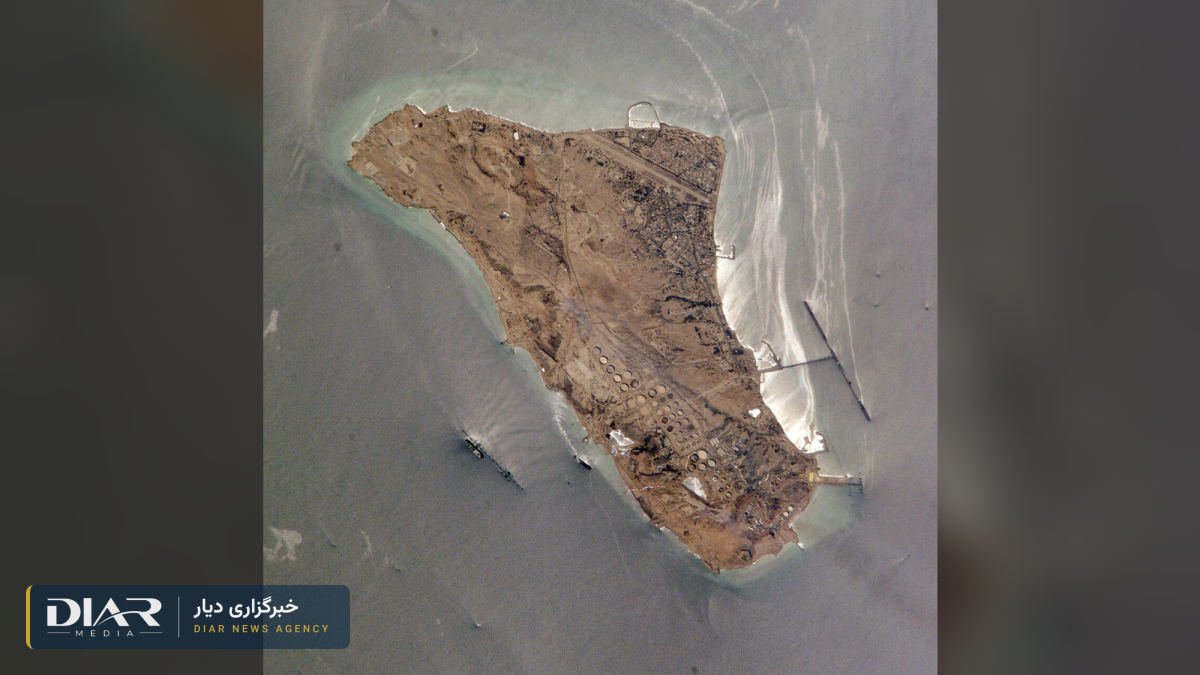
Energy intelligence firm Kpler said the Islamic Republic's trackable floating oil stock that had remained outside the zone of the US naval blockade has now fallen to zero. Kpler estimates that the Islamic Republic's seaborne crude revenue will effectively stop by mid-December, once payment for cargoes already delivered has been settled.
Before the war began on 28 February, the Islamic Republic held about 135 million barrels of oil stored on tankers. That stock was sold off and exhausted during the months of the blockade. Buyers usually pay for oil one to two months after delivery, which is why the last revenue will arrive by December. US Central Command has estimated the cost of the blockade to the Islamic Republic at no less than 25 billion dollars in oil revenue.
Impact of the oil revenue cut on the Islamic Republic's budget
Greg Brew, senior Iran and energy analyst at Eurasia Group, says direct oil sales funded about 30 percent of the government's budget. In his assessment, civilian spending will be cut sharply, but military spending, from rebuilding missile production to repairing nuclear facilities, will stay the same or rise. He sees the start of the new fiscal year in late March as the real test and speaks of a possible economic upheaval.
Miad Maleki, a sanctions expert at the Foundation for Defense of Democracies, puts the share of oil and oil products, including indirect revenue, at 50 to 60 percent of the government's income, and says the purchasing power of Iranians will decline step by step. According to him, oil money was spent on military equipment and on support for Hezbollah and Hamas.
The IRGC's share of oil
The US Treasury said last year that the Islamic Republic gives the armed forces about 200,000 barrels of crude oil a day, worth more than 10 billion dollars a year, to sell themselves. Greg Brew notes that the IRGC also earns income outside the official budget from smuggling and sanctions-evasion networks. Exports will not fall entirely to zero, and small volumes will continue by truck, rail and across the Caspian Sea.
DIAR has earlier reported on the sailors of Iranian tankers trapped by the blockade and the tightening of Iran's land borders.
With its floating oil stock gone, the Islamic Republic loses its largest source of cash.
Comments
No comments yet. Be the first.