
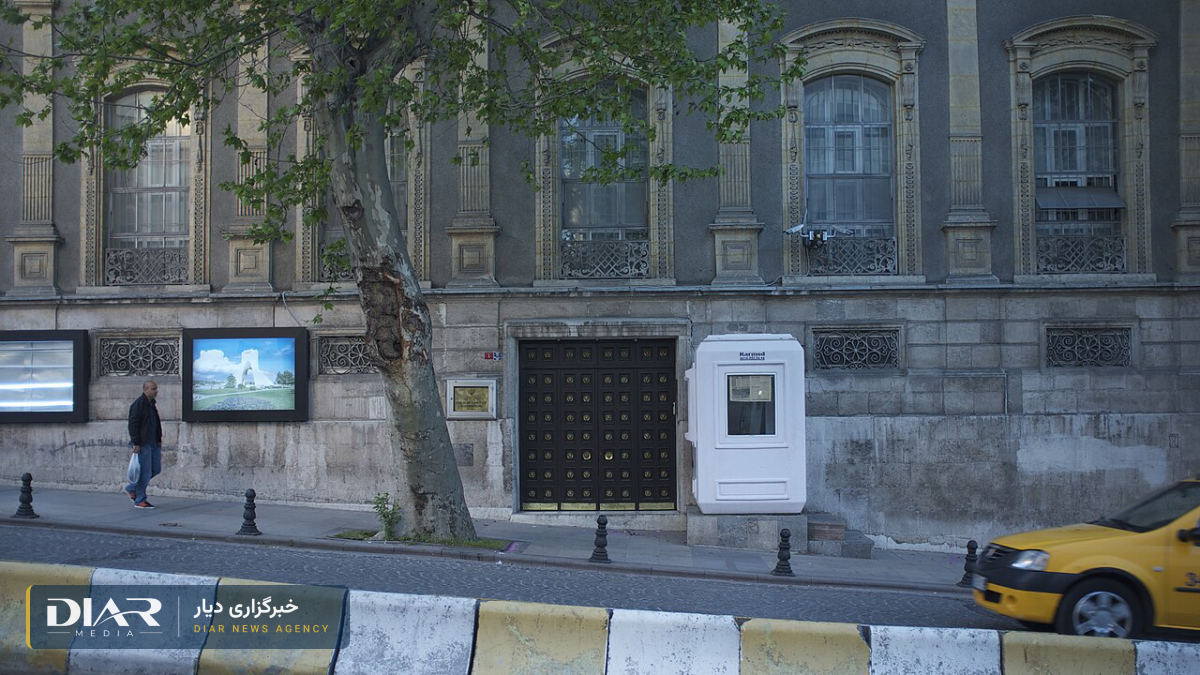
The Islamic Republic has turned the powers of attorney that Iranians abroad sign at consulates into a tool for identifying and punishing its opponents. Every purchase or sale, property transfer or administrative task carried out in Iran with these powers of attorney must now pass through a security check by the prosecutor's office.
Marziyeh Mohebbi, a lawyer, told Voice of America on Friday 23 October 2026 that in many of these cases the assets of the families of Iranians living abroad are also confiscated. According to sources not named in the same report, some institutions have refused to hand over the academic documents of opponents of the Islamic Republic to their lawyers.
What the circular on consular powers of attorney says
According to the text of circulars issued by the Islamic Republic's Organisation for the Registration of Deeds and Properties, from 28 February 2026, a few days after the war began, every transfer made with powers of attorney issued at consulates was made subject to an inquiry with the Prosecutor General's office. Another circular dated 14 August 2026 extended this inquiry to the prosecutors' offices of provincial capitals and required prosecutors to seek the opinion of the province's security bodies.
The circular states that if the grantor is one of those the authorities call "hostile elements" abroad, a case is opened against them and prosecution begins; otherwise a "no objection" reply is sent to the notary office within 15 days. In this way the simplest legal task of an Iranian emigrant, from selling the family home to obtaining a university degree, becomes a security case.
Threat to seize the assets of Iranians abroad
This tightening continues a threat the Islamic Republic's Prosecutor General's office announced on 9 March 2026. Reuters reported at the time that the prosecutor's office had warned that Iranians abroad who support the United States or Israel would face the confiscation of all their assets. The threat was made after Iranians celebrated and danced in the streets of European and American cities following the killing of Ali Khamenei.
According to the authorities' own figures, up to five million Iranians live abroad. Many of them have to use consular powers of attorney to manage family property, inheritance, pensions or academic documents; that very need has now become a lever to frighten them away from political activity and from supporting Iran's national revolution.
This measure sits alongside other forms of the Islamic Republic's transnational repression, from cyber-espionage against opponents to threats against families inside the country, and shifts the pressure from the opponents themselves onto their relatives in Iran.
The Islamic Republic has turned signing a power of attorney at a consulate into a security case for Iranian opponents and their families.
Comments
No comments yet. Be the first.