
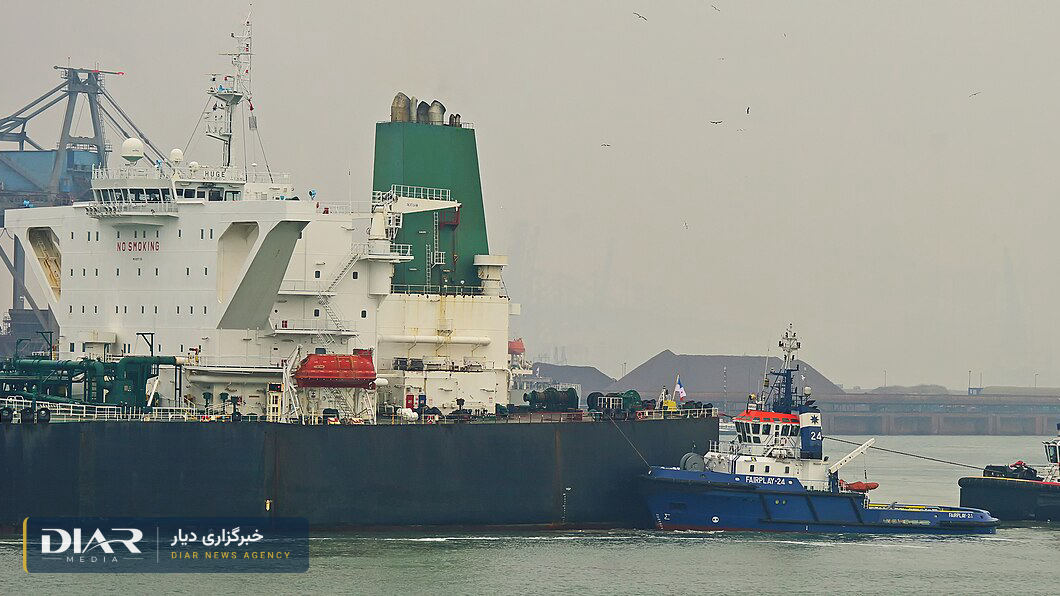
The Islamic Republic's crude oil reserves, held aboard dozens of tankers in Asian waters, had run out by mid-October. According to analysts at the maritime data firm Kpler, these reserves, which during the months of war underpinned oil sales to China and were one of the government's last sources of foreign-currency income, no longer hold any oil for delivery to Chinese refineries.
Homayoun Falakshahi, head of crude oil analysis at Kpler, has said there are no cargoes left to deliver to China. The assessment was published by The Wall Street Journal on Wednesday, 21 October. The US naval blockade prevents the Islamic Republic from sending new cargoes out of the Persian Gulf to replace the reserves it has sold.
From 192 million barrels to zero
According to Kpler data, the Islamic Republic's floating oil stood at about 192 million barrels in early April and had fallen to around 80 million barrels by late August. Since the US Navy resumed the blockade in mid-July, no tanker carrying the Islamic Republic's crude has got through it; United Against Nuclear Iran had earlier reported the same about the halt in oil exports. As a result, sales to China continued only from reserves that had been stored before the war in waters near Malaysia and China.
US Treasury Secretary Scott Bessent had also said earlier that no tanker has loaded at Kharg Island since August. US Central Command (CENTCOM) said last Saturday that the blockade has so far wiped out at least $25 billion of the Islamic Republic's oil revenue and is limiting the government's ability to rebuild the factories and weapons destroyed in the war.
Consequences for Iran's economy
The end of the floating reserves means the Islamic Republic is losing its last source of oil revenue at a time when Iran's economy faces severe inflation, widespread shortages of goods and a collapsing rial. Payments for cargoes already delivered may continue for a few more weeks, but no new cargo is on the way.
Meanwhile, Abbas Araghchi, the Islamic Republic's foreign minister, has called the lifting of the naval blockade a condition for returning to diplomacy, a demand that shows how effectively the blockade has squeezed the government's revenue. The cost of this deadlock is paid not by the government's leaders but by the people of Iran, through high prices and unemployment.
With the floating oil in Asia gone, the Islamic Republic no longer has any oil to sell to China.
Comments
No comments yet. Be the first.