
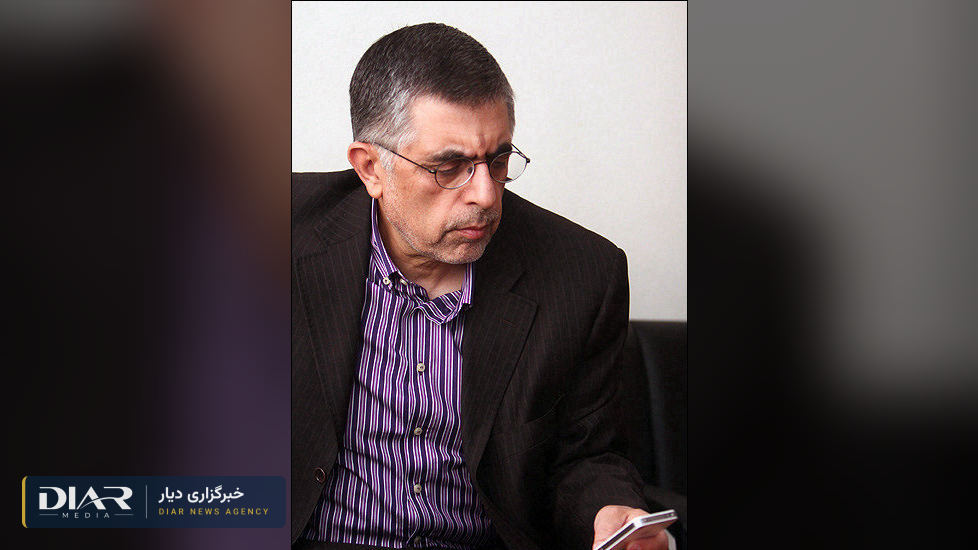
The jury of Tehran's political and press courts found Gholamhossein Karbaschi, managing director of the Hammihan newspaper, guilty by majority vote over the publication of material about the crackdown on the January 2026 uprising, and did not consider him deserving of a reduction in punishment. The verdict became public by the morning of Tuesday, 20 October 2026.
Karbaschi's case concerns three pieces that Hammihan published in the days of the January uprising. The Islamic Republic's prosecutor's office had accused him of "spreading falsehoods", "encouraging acts against national security" and publishing material that, according to the indictment, harms "the foundation of the Islamic Republic". Karbaschi and his lawyer rejected all these charges at the court session and said most of that material had been published as quotations from other sources.
The jury's verdict and the final ruling
According to the jury's spokesperson, the court's final ruling, which is being heard in Branches 1 and 8 of Tehran Province's Criminal Court One, will be issued later, and the extent of the punishment is still unclear. At the same session, the managing director of the Shargh newspaper and the defendant in the case of another news website were not found guilty.
The Hammihan newspaper had earlier, on 19 January 2026, at the height of the crackdown on the January uprising, been shut down on the order of the Press Supervisory Board. The trial of its managing director nearly 9 months after those days shows that the Islamic Republic does not tolerate even the limited, censored account that newspapers inside the country give of the killing of protesters.
Censoring the account of the January uprising
Gholamhossein Karbaschi, a former mayor of Tehran and secretary-general of the Executives of Construction Party, is himself a figure from inside the structure of the Islamic Republic. His being found guilty for reflecting the crackdown shows that the line of censorship now covers even former loyalists of the government. The verdict follows the wave of action against any voice that speaks about the January uprising, from the severing of ties with a sociology lecturer at the University of Tehran over his posts on social media to threatening text messages from the police intelligence service to citizens over their activity online.
In these same months the Revolutionary Courts have sentenced dozens of protesters from the January uprising to long prison terms and to death, including seven January protesters who were sentenced in Tehran to 60 years in prison.
After the killing of the January protesters, the Islamic Republic is now taking to court even a newspaper that wrote about that crackdown.
Comments
No comments yet. Be the first.