
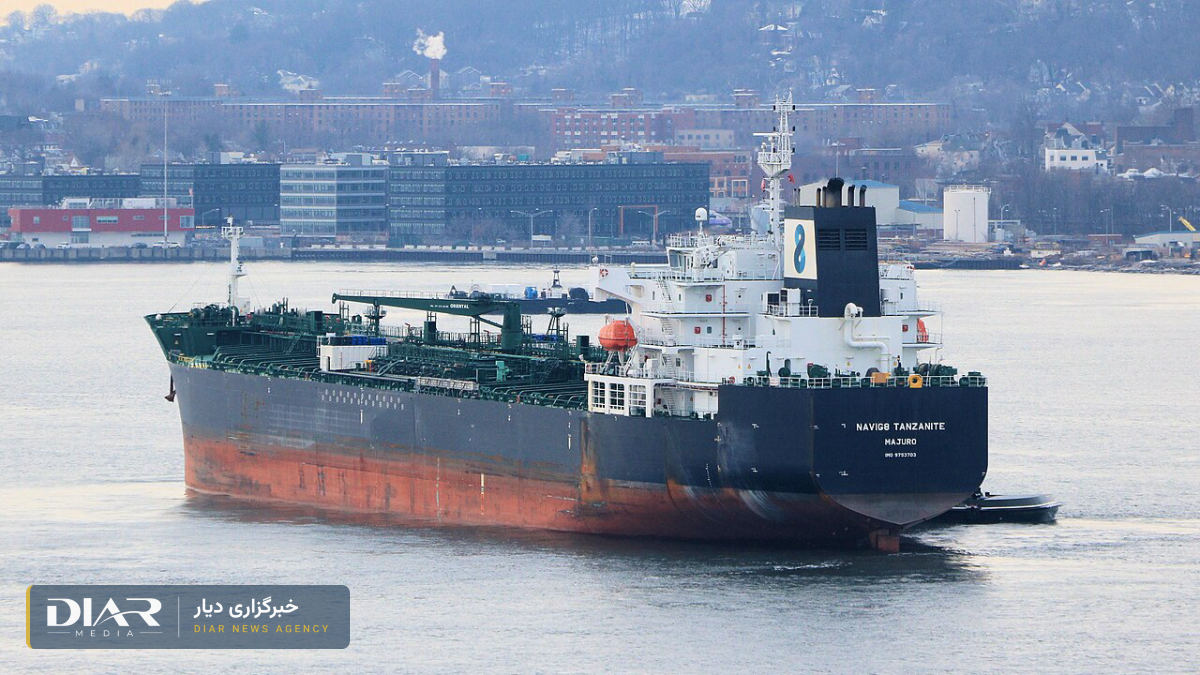
The "Persian Gulf Strait Authority," a body the Islamic Republic created during the war to control the passage of ships through the Strait of Hormuz, announced in a statement on Monday, 19 October 2026, that it has so far placed 122 ships on a list of vessels it calls "non-compliant." Ships on this blacklist face the threat of seizure, confiscation or fines if they pass through the Strait of Hormuz.
The body added that it has contacted more than 40 other ships: according to it, 19 ships are in "negotiations," two ships have been removed from the list, and 30 ships will be added if they do not respond. Some reports put the total at 132 ships, and this discrepancy has yet to be clarified. Lloyd's List, the specialist shipping publication, had estimated on 16 October that the list stood at 124 ships after 43 new vessels were added.
How the Strait of Hormuz blacklist grew
The Islamic Republic announced the first list on 24 August with 45 tankers, and by 3 September it had reached 56. Among the ships on the list are vessels belonging to the Emirati company ADNOC Logistics, its subsidiary Navig8, and the Saudi company Bahri. According to Lloyd's List, seven supertankers of the South Korean company Sinokor are also on the new list, and ships such as GFS Pride, GFS Gisele and Angola Prosperity were added after they were targeted in attacks.
The body has also threatened that any ship that transfers cargo with listed vessels, including through ship-to-ship oil transfers, will itself be added to the list. According to an analysis by the publication Sea-Trade, 19 of the listed ships were attacked in October, and at least 14 were added to the list after the attack; a pattern that suggests the list serves more to justify attacks already carried out than to give advance warning.
US sanctions and the impact on shipping
The US Treasury Department sanctioned the body in April this year, and any payment or toll made to it could lead to asset freezes. Before the war, about one-fifth of the world's oil and liquefied gas passed through the Strait of Hormuz. The list is expanding at a time when the IRGC has repeatedly reported in recent days tankers hitting sea mines and its spokesman has threatened the internet cables under the Strait of Hormuz; by contrast, CENTCOM says 97 percent of ships have passed through the strait safely.
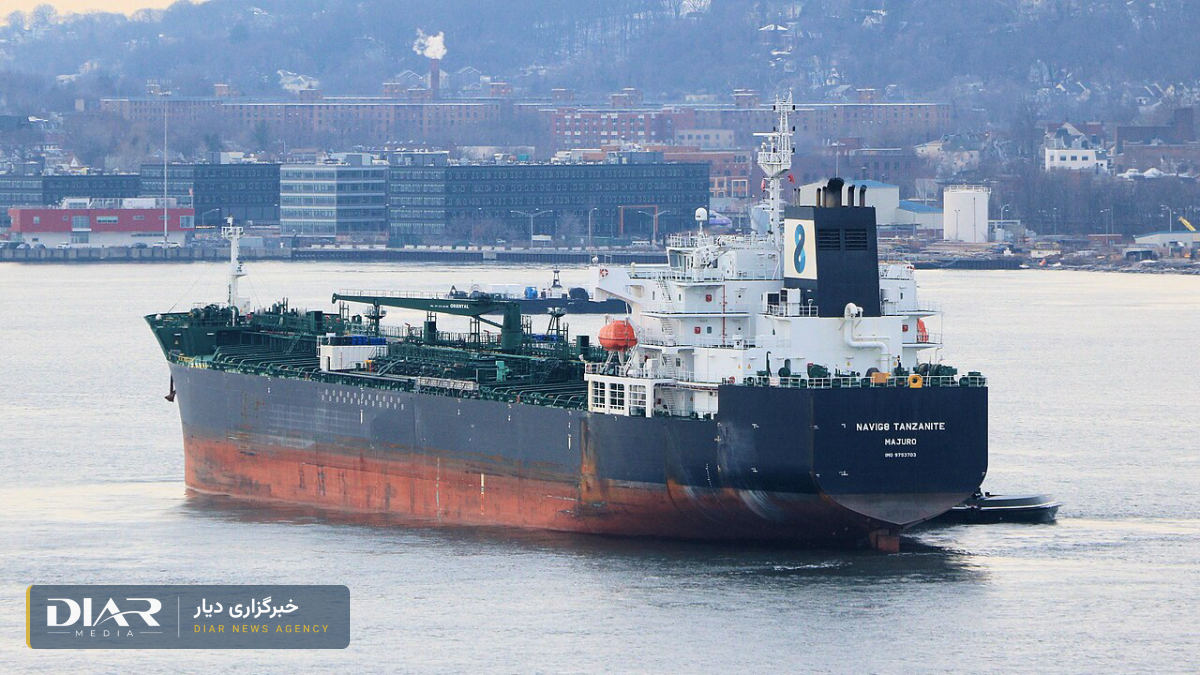
With its Strait of Hormuz blacklist, the Islamic Republic has turned one of the world's most important waterways into a tool for extorting international shipping.
Comments
No comments yet. Be the first.