
A newer update of this story has been published: Sanctioned missile executive Mehrdad Akhlaghi becomes defence minister with 237 votes
On Sunday, 18 October 2026, the Islamic Republic's parliament will review the qualifications of Mehrdad Akhlaghi Ketabchi, Masoud Pezeshkian's nominee for the Ministry of Defence and Armed Forces Logistics. Akhlaghi is a longtime executive of the Islamic Republic's missile industries, and his name has been on the sanctions lists of the United Nations, the European Union and the US Treasury Department for years. The vote will be held electronically.
Pezeshkian introduced Akhlaghi to parliament on 5 October in a letter to Mohammad-Bagher Ghalibaf. If he wins the vote of confidence, he will succeed Aziz Nasirzadeh, who was killed in the US and Israeli strikes on 28 February 2026; since then Majid Ebn al-Reza has been acting head of the ministry. The parliament's National Security Committee had earlier backed him by a large majority after questions about missiles, drones, radar and combat readiness.
Missile record and sanctions
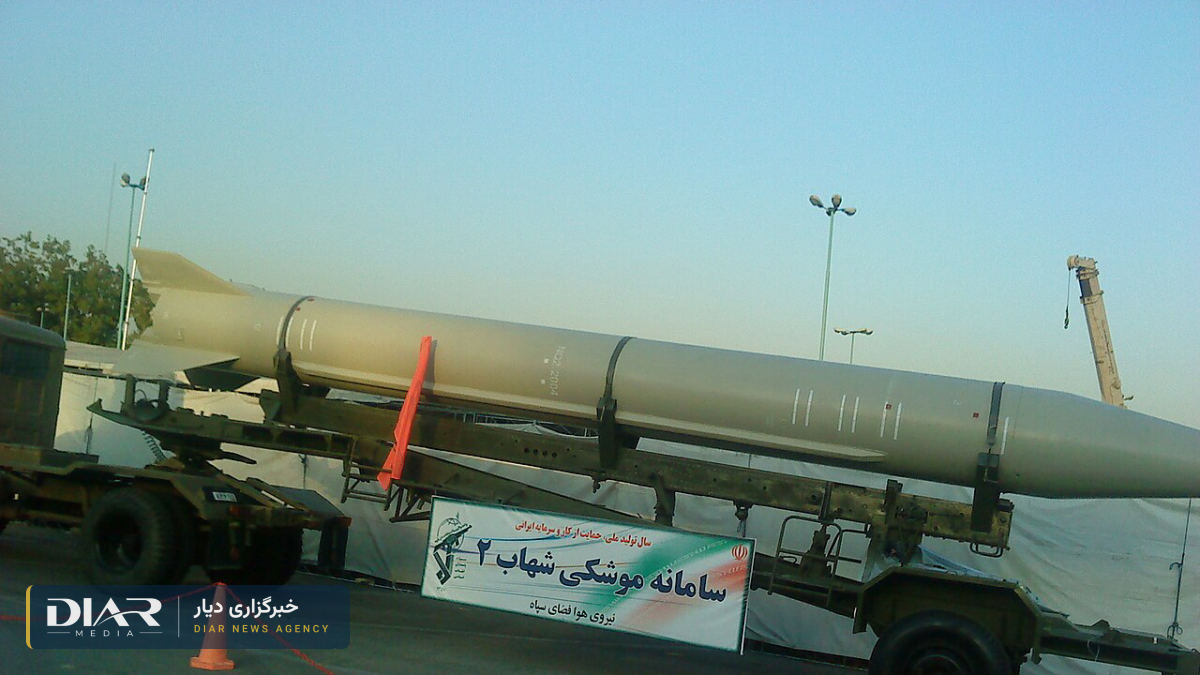
Akhlaghi previously headed the Aerospace Industries Organisation. In 2006, the UN Security Council, in Resolution 1737, put his name on its sanctions list, when he was managing director of the "Shahid Bagheri Industrial Group", over his role in the Islamic Republic's ballistic missile programme. The name was removed from the UN list in September–October 2023 when those sanctions ended, and was added to it again in August–September 2025 when UN sanctions returned.
In the chamber, Pezeshkian claimed that the country's deterrence capability and border security are the product of Akhlaghi's work alongside the armed forces' commanders who were killed. The claim comes while the US and Israeli strikes since last February have eliminated a number of senior commanders and the defence minister himself, and have targeted military and nuclear facilities.
Handing the Defence Ministry to the face of the missile programme
The choice of a missile programme executive for the Defence Ministry comes as the United States and Israel have placed this very programme at the centre of their dispute with the Islamic Republic. Benjamin Netanyahu recently said the Islamic Republic is building intercontinental missiles to reach American soil, and US War Secretary Pete Hegseth warned that the Islamic Republic must choose between a deal and ruin. The nomination of Akhlaghi shows that, instead of abandoning the missile programme, the Islamic Republic is entrusting the running of its army and military industries to one of the programme's key figures.
The Islamic Republic's defence minister nominee is the same executive the Security Council has sanctioned since 2006 over the missile programme.
Comments
No comments yet. Be the first.