
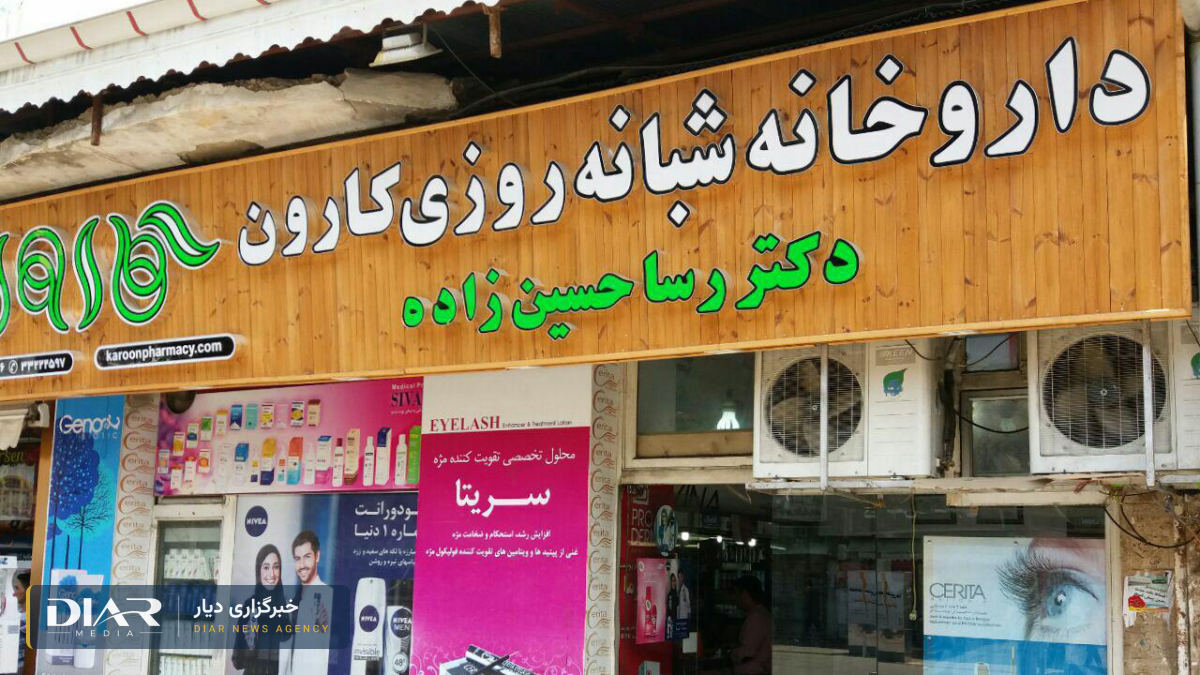
Two trade and parliamentary officials in the Islamic Republic spoke on Monday, 5 October 2026, of a medicine crisis in Iran: Hadi Ahmadi, spokesman for the Iranian Pharmacists' Association, said problems in supplying some essential psychiatric drugs have worsened, and Salman Eshaghi, spokesman for parliament's health and treatment committee, said patients have been identified who sell their medicine on the market because of financial hardship.
According to the ILNA news agency, as republished by Aftab News, Ahmadi named reduced access to raw materials as one of the main reasons for the drop in production of these drugs. He said a significant share of the raw materials for Iran's pharmaceutical industry used to come from countries such as India, but the arrival of these shipments has been seriously disrupted in recent months.
Limited transport routes and insufficient foreign currency
The Pharmacists' Association spokesman described the restriction of air routes as another problem, saying that using alternative sea routes both lengthens shipping times and imposes higher costs on importers. According to the same report, the foreign currency allocated to the pharmaceutical sector is about half of what the Food and Drug Administration requested, and it reaches manufacturers late. Ahmadi also said that medicine that is scarce in pharmacies can be found on the informal market at several times the price. Domestic media reports point to shortages of drugs such as clonazepam, gabapentin and fluvoxamine.
Selling medicine to get by
According to the Rokna news agency, Salman Eshaghi said: "We have identified patients who receive medicine for treatment but sell it because of their poor economic and living conditions." He said that an abundance of medicine in Tehran does not mean the situation is the same in other provinces, and called the medicine tracking system (TiTek) ineffective. According to Eshaghi, some patients abandon their treatment because they cannot afford the costs.
These warnings come as the dollar has passed 270,000 tomans on Tehran's open market and reports point to a wave of nurses quitting and unprecedented financial pressure on households.
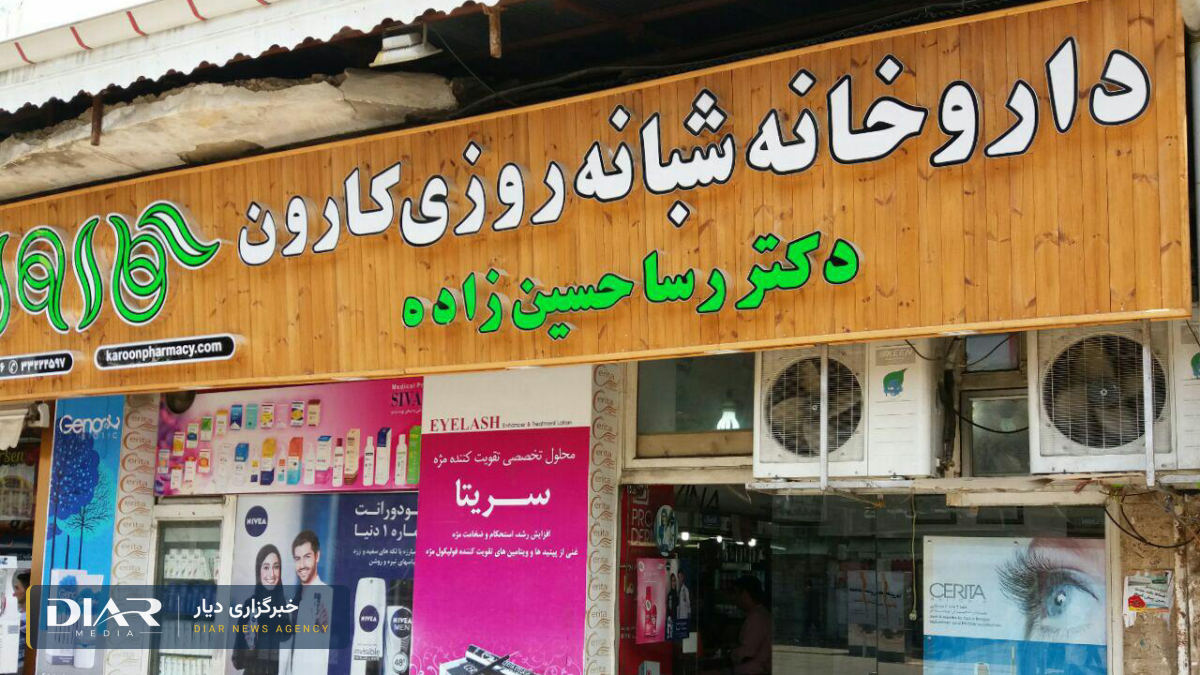
The spokesman for parliament's health committee says poverty has driven some patients to sell their own medicine.
Comments
No comments yet. Be the first.