
A newer update of this story has been published: How the complaint in the Sabeti case targets Prince Reza Pahlavi
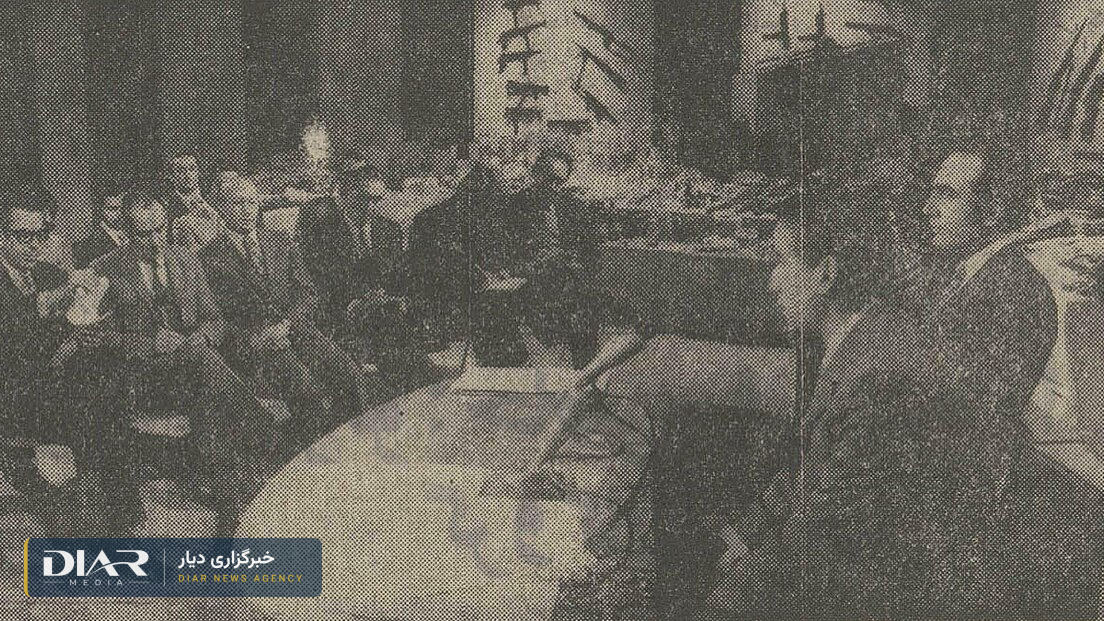
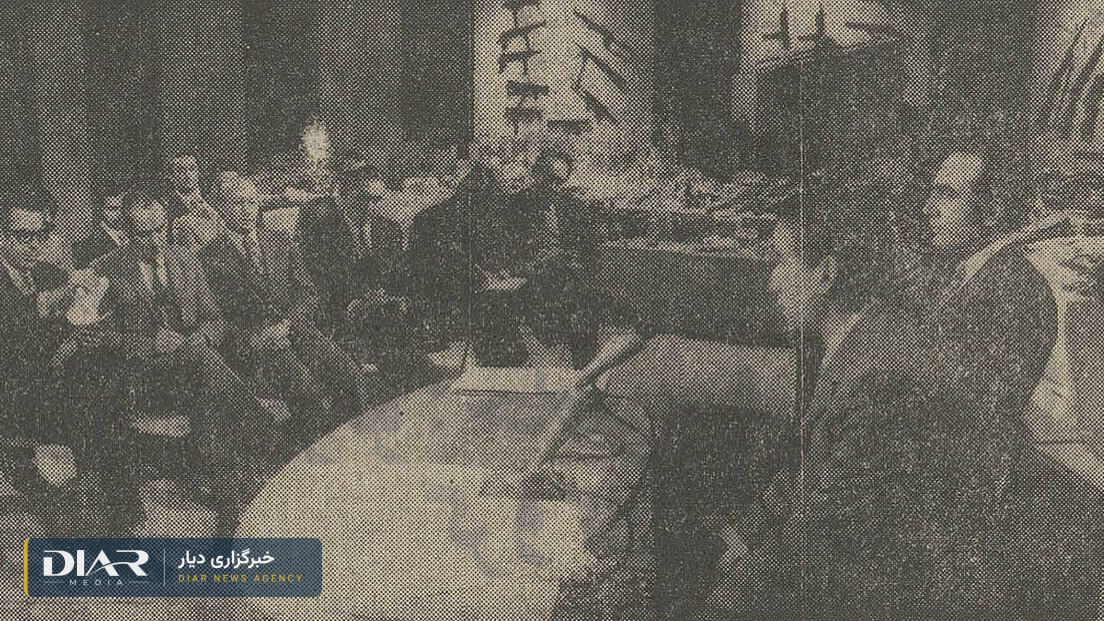
The lawsuit filed by three plaintiffs under pseudonyms against Parviz Sabeti, a senior SAVAK official from 1973 to 1979, has reached the stage of substantive proceedings after a new ruling by a US federal court in Florida. Citing the US Torture Victim Protection Act, the plaintiffs are seeking $225 million in damages. In the assessment of DIAR analysts, the Parviz Sabeti case, which was set in motion nearly half a century after the alleged events, is less a legal reckoning with the past than a battlefield in a political fight over Iran's future.
This analysis addresses three questions: where the case stands, who benefits from it, and why selective justice serves the Islamic Republic.
How the Sabeti case has progressed in the Florida court
The lawsuit was filed in January–February 2025 with representation from the Center for Justice and Accountability, a nonprofit organisation in San Francisco. The plaintiffs say they were detained and tortured in the 1970s and hold Parviz Sabeti responsible for the detention and interrogation apparatus of that period. In July–August 2025, Gregory Presnell, the federal judge, granted part of Sabeti's motion to dismiss and threw out the claims based on Florida state law, but kept the main claim alive and preserved the plaintiffs' anonymity.
On 6 October 2026 the court again rejected Sabeti's request to reveal the plaintiffs' identities and did not accept his argument that the statute of limitations had expired. According to the plaintiffs' lawyers, the full text of the decision is confidential. Parviz Sabeti has denied any personal role in torture and said in a 2011 interview that he had always opposed it.
Anonymous plaintiffs and unanswered questions
The case rests on the testimony of people whose names neither the court of public opinion knows nor can anyone assess their record in the 1970s. The question matters, because a large share of the prisoners of those years were members of armed groups that regarded bombings, assassinations and hostage-taking as the way to fight. In December 1971–January 1972, the newspaper Ettela'at reported the discovery of networks that had planned to kidnap the US ambassador in Tehran and to hijack an air-taxi plane; a record that goes back to the Mojahedin-e Khalq organisation and the Fedai'yan-e Khalq guerrilla organisation.
These same groups helped bring down Iran's lawful government in 1979 alongside Ruhollah Khomeini, and the Mojahedin-e Khalq later allied itself with Saddam Hussein during the Iran–Iraq war. In the assessment of DIAR analysts, if the plaintiffs are members of these groups, paying them such heavy damages would in practice mean rewarding the movement that did the most to bring the Islamic Republic to power. The plaintiffs' anonymity, although granted on grounds of their security, has closed the road to public judgment on this question.
Alignment with the Islamic Republic's narrative
For four decades the Islamic Republic has made the name SAVAK a shield for its own repression: it justifies every execution and every act of torture by invoking the past, and answers every mention of the Pahlavi era with the same label. A case that puts the Pahlavi era in the dock of an American court reinforces exactly the narrative that the Islamic Revolutionary Guard Corps and state media have repeated for years: that Iranians are supposedly trapped between two identical despotisms.
In the assessment of DIAR analysts, whatever the plaintiffs' intentions, the political benefit of this case goes to the Islamic Republic and to those opponents who have no alternative but to attack the Pahlavi legacy and Prince Reza Pahlavi. Parviz Sabeti came back into public view during the 2022 uprising, and since then his name has repeatedly been used to smear supporters of Prince Reza Pahlavi; a pattern also seen in the Pahlavi historical record and its alternatives.
Selective justice and the impunity of the Islamic Republic's commanders
In the very days when the Florida court is examining events of half a century ago, on 14 October the Islamic Republic executed Alisina Mostafavi, a mountaineer and political prisoner, and Amnesty International showed that impunity for the killers of protesters is institutionalised in the laws and courts of the Islamic Republic. The interrogators, judges and commanders who torture and hand down death sentences today mostly live in Iran, safe from any court, and no similar case against them exists.
Justice that digs only into the past and looks away from ongoing crimes is not justice; it is a political instrument. A future free Iran will need open and independent proceedings into all cases, but the priority for Iranians today is to end the machinery of execution and torture that is running right now.
The Parviz Sabeti case, with its anonymous plaintiffs and $225 million in damages, reinforces the Islamic Republic's narrative that the two eras are the same.
Comments
No comments yet. Be the first.