
Jorge Moreira da Silva, Under-Secretary-General of the United Nations, warned on Wednesday 14 October 2026 that parts of Asia and Africa will face a food security crisis if the Islamic Republic and the United States do not agree within a few weeks on the UN plan for fertiliser shipments through the Strait of Hormuz. He made the remarks to Reuters on the sidelines of the International Monetary Fund and World Bank meetings in Bangkok.
According to Moreira da Silva, the decision must come before the planting season begins; farmers work to a strict planting calendar, and even a small delay can cut harvests and push up prices. He said the passage of just five ships a day would be enough to get fertiliser to the countries that need it most.
The UN plan for fertiliser transit through the Strait of Hormuz
The mechanism was drawn up in March and, according to Moreira da Silva, could be up and running within seven to ten days if both sides agree. Under the plan, a coordination centre staffed by the UN in Oman would register ships and oversee their safe passage, UN inspectors in Persian Gulf ports would check the loading, and ships would be tracked along the route. Moreira da Silva, who heads the UN Office for Project Services (UNOPS), was tasked by the Secretary-General with designing the mechanism.
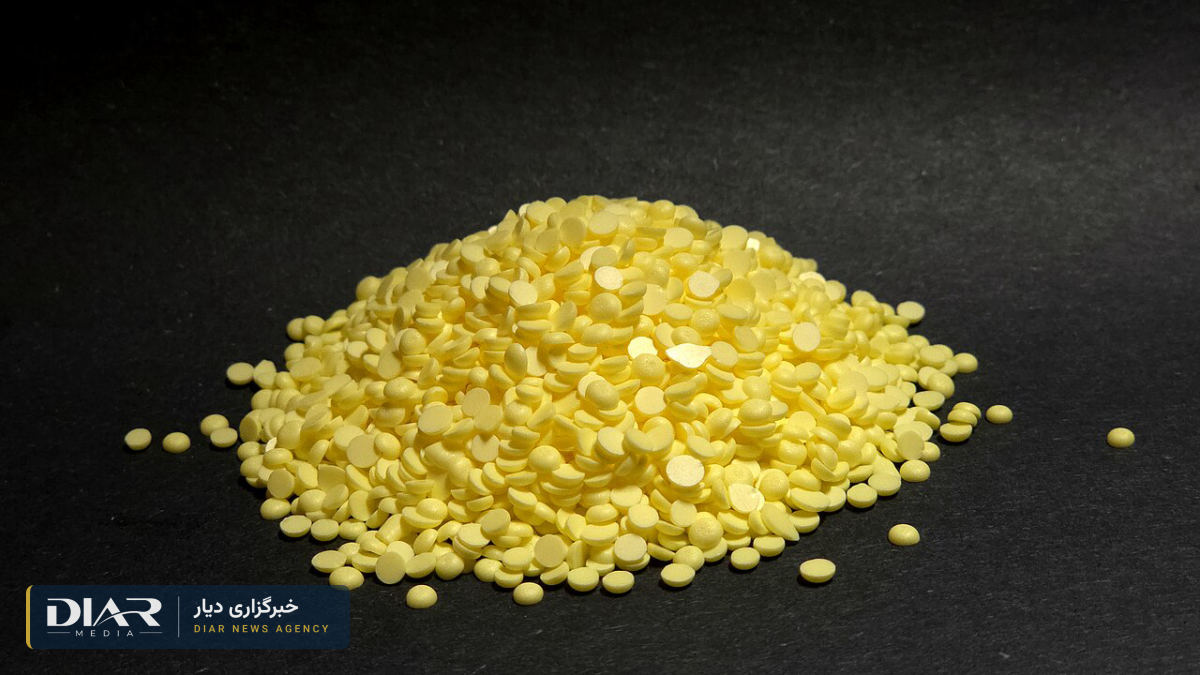
Before the war, about a third of global urea shipments and nearly half of the world's seaborne sulphur passed through the Strait of Hormuz. Now, according to the International Food Policy Research Institute, fertiliser's share of the cargo crossing the strait is "very small". The UN Food and Agriculture Organization (FAO) also warned in May that fertiliser shortages could constrain food supplies from late 2026 into 2027.
Islamic Republic attacks on ships and stalled talks
The warning comes as attacks on commercial ships in the Strait of Hormuz continue; the UK Maritime Trade Operations centre has reported 15 attacks in eight days, and before that 12 merchant ships were targeted in a single week. Since the collapse of the temporary ceasefire in May–June, the two sides have exchanged proposals through mediators, but talks on reopening the strait have stalled over Tehran's conditions and Washington's insistence that the Islamic Republic's nuclear programme be addressed from the outset.
South Asia, which depends on imported fertiliser, is already struggling with shortages and high prices. According to UNCTAD data, the Persian Gulf countries account for 13 percent of global nitrogen fertiliser exports, and 27 percent of Thailand's and Pakistan's fertiliser imports pass through the Strait of Hormuz.
The UN says the daily passage of just five fertiliser ships through the Strait of Hormuz could prevent a food crisis in Asia and Africa.
Comments
No comments yet. Be the first.