
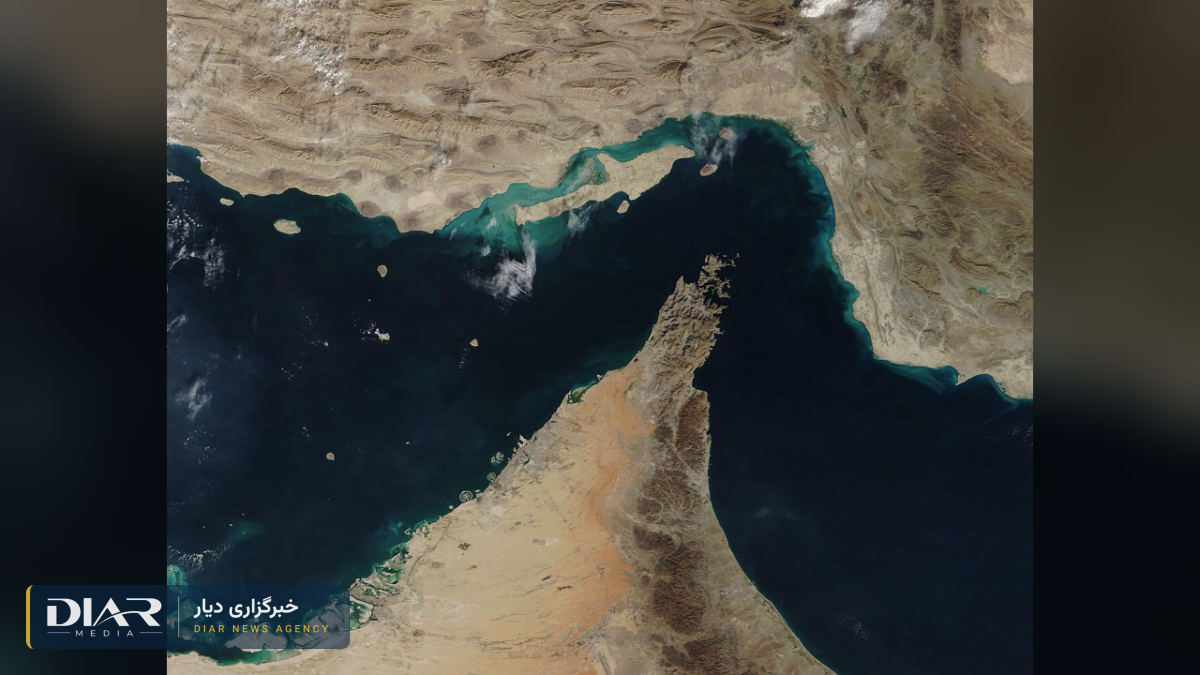
Twelve commercial ships were attacked in the Strait of Hormuz, the Persian Gulf and waters near Oman between Monday 5 October and Sunday 11 October 2026. The figure comes from a tally of warnings issued by the UK Maritime Trade Operations (UKMTO) and shows that attacks on shipping in the Strait of Hormuz, amid the continuing US naval blockade and the deadlock in negotiations, have reached a new peak.
Some of the attacks were reported late, and initial estimates put their number lower. Sunday 11 October was the deadliest day of the week: six ships, including five tankers and one container ship, were hit in the Strait of Hormuz and at the anchorage of Oman's port of Sohar.
Day-by-day attacks on tankers in the Strait of Hormuz
- Tuesday 6 October: A crude oil tanker in the Strait of Hormuz was hit by an unidentified projectile; the incident was reported to UKMTO two days later and caused no casualties.
- Wednesday 7 October: A tanker about 51 nautical miles north of Madinat ash-Shamal in Qatar was hit by several projectiles, and UKMTO reported casualties.
- Friday 9 October: A tanker at an anchorage near the coast of the United Arab Emirates was attacked.
- Saturday 10 October: An outbound tanker in the Strait of Hormuz was hit and caught fire; the crew were unharmed.
- Sunday 11 October: The Nicaragua-flagged tanker Petro Dolphin was hit by a drone at the Sohar anchorage; according to India's shipping minister, 9 of its 11 Indian crew members were rescued and two remain missing. The Marshall Islands-flagged tanker Valtera also caught fire in the Strait of Hormuz after being hit by an unidentified projectile, and India's foreign ministry said all 11 of its Indian crew were safe.
The Islamic Revolutionary Guard Corps (IRGC) navy claimed the same day that a tanker carrying 750,000 barrels of crude oil had struck a mine and caught fire because it used an "unauthorized route". The IRGC had earlier admitted attacking a third supertanker in two days and had called ships that switch off their navigation systems "hostile". The Indian government condemned the attacks but did not name who was behind them.
Threat level in the Strait of Hormuz and the drop in traffic
The Joint Maritime Information Center (JMIC) has kept the threat level in the Strait of Hormuz at "severe", the second-highest level, and warned that the attacks have now reached anchored ships as well. The center reported the possibility of further attacks on tankers at anchorages in the Emirates and on outbound ships in Oman's southern corridor, a warning that has taken on new meaning after the drone attack on the tanker Petro Dolphin at the port of Sohar.
US data from the past 72 hours show about 29 ships a day passing through the Strait of Hormuz, compared with a historical average of about 138 ships a day. US Central Command (CENTCOM) also announced this week that a US fighter jet had targeted the rudder of the Panama-flagged cargo ship Ocean Mulika, which had left a port in Iran and ignored warnings, and had disabled its propulsion system.
The Islamic Republic has tied the reopening of the Strait of Hormuz to seven conditions, and Mohsen Rezaei, secretary of the Supreme National Security Council, called the American response to those conditions inadequate. Kazem Gharibabadi, the Islamic Republic's deputy foreign minister, also called the Strait of Hormuz an Iranian waterway and said the authorities would use it as leverage.
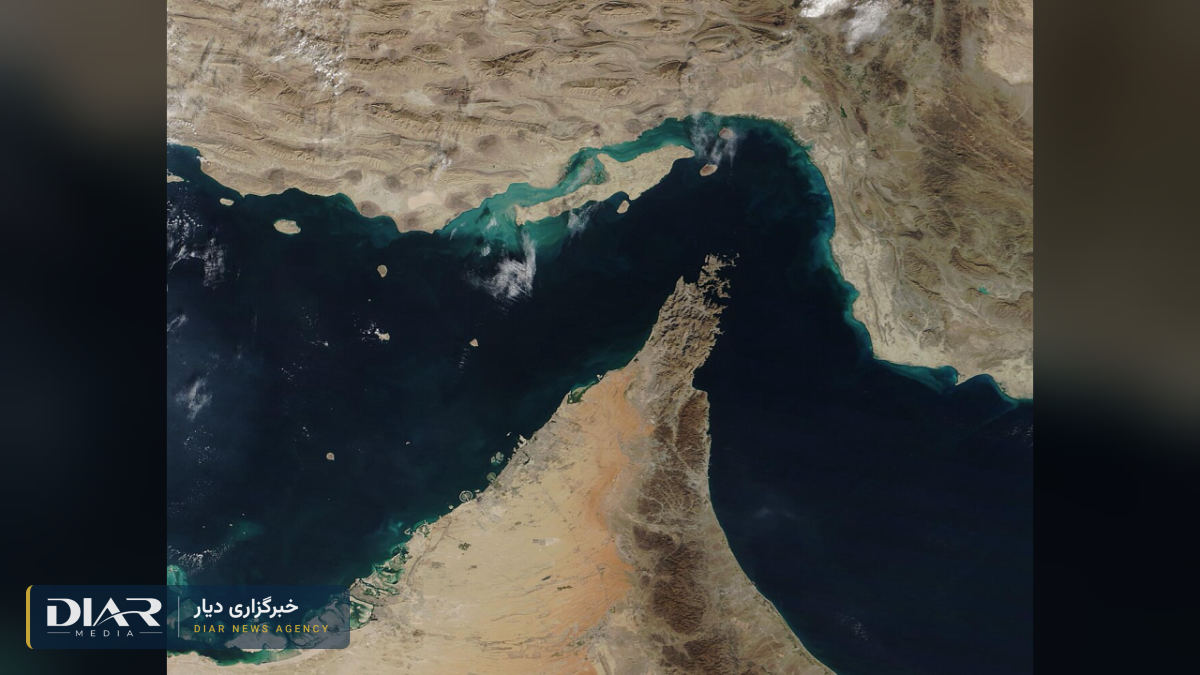
In one week twelve commercial ships were attacked in and around the Strait of Hormuz, and ship traffic fell to about one-fifth of the historical average.
Comments
No comments yet. Be the first.