
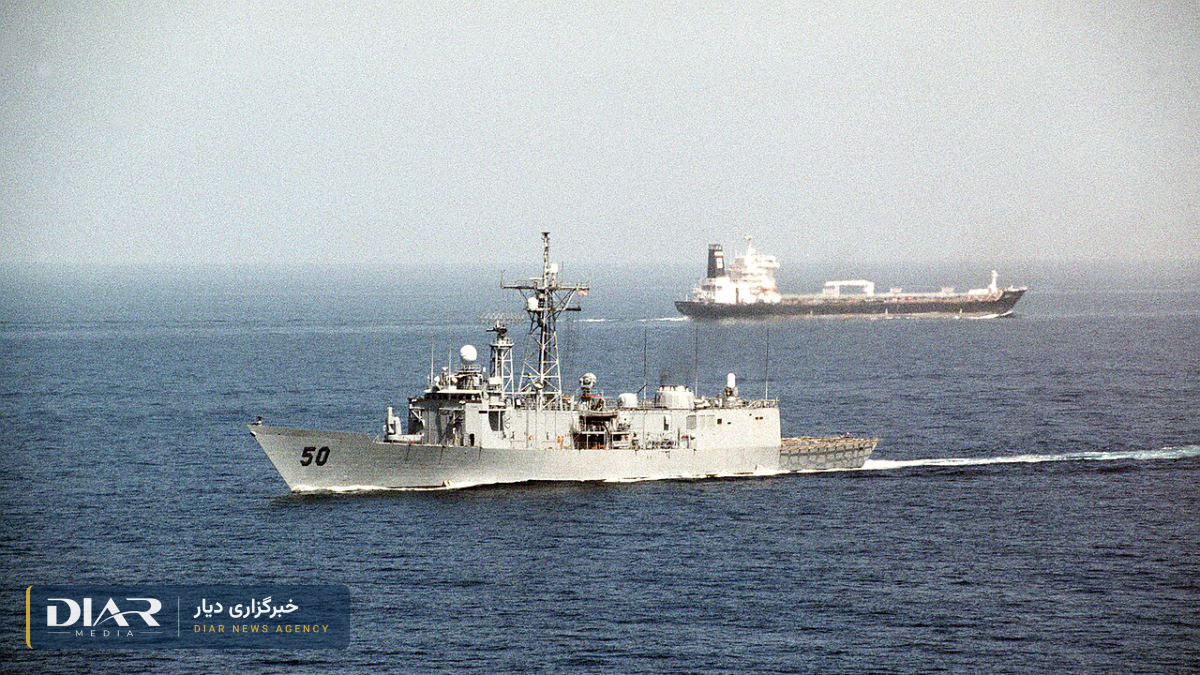
In a statement on Monday, 12 October 2026, the IRGC Navy said it had targeted a supertanker as it was leaving the Strait of Hormuz that morning and that the vessel had caught fire. The IRGC described the strike as the third attack on supertankers in the Strait of Hormuz in two days.
According to the IRGC, the tanker's crew had switched off the ship's navigation system and ignored repeated warnings from the IRGC Navy. The IRGC did not give the tanker's name, flag or owner, and did not say what weapon was used. The condition of the crew and the extent of the damage have so far not been confirmed by any independent source.
From the "naval mine" claim to admitting the attack
In recent days, the IRGC had attributed explosions on tankers leaving the Strait of Hormuz to the vessels hitting naval mines in "unauthorised routes". The new statement makes no mention of mines and, for the first time in this round of attacks, admits to directly targeting a tanker.
The United Kingdom Maritime Trade Operations (UKMTO) had earlier reported that unidentified projectiles struck two tankers leaving the Strait of Hormuz, on Saturday 10 October and Sunday 11 October; in both cases the hull was damaged and the crew were unharmed. DIAR previously reported on the attack on a tanker leaving the Strait of Hormuz on Sunday and on the IRGC's claim that a supertanker hit a mine. It is still unclear whether the UKMTO reports concern the same ships that the IRGC says it targeted.
Threats against commercial ships
In the same statement, the IRGC warned that any ship switching off its navigation and identification systems in the Strait of Hormuz area will be deemed "hostile" and dealt with decisively. The IRGC also threatened that commercial ships and tankers cooperating with American forces in the Strait of Hormuz and the Persian Gulf will face a "decisive response", and that ships that do not follow the routes set by the IRGC may be pursued even beyond the strait.
The threats come as the United States resumed its naval blockade of Iran's ports on 14 July, and US Central Command (CENTCOM) says it has since turned back more than 130 commercial ships and disabled 10 tankers linked to the IRGC's shadow fleet. Mohsen Rezaei, secretary of the Islamic Republic's Supreme National Security Council, said on Sunday that the US response to Tehran's conditions for reopening the Strait of Hormuz was insufficient.
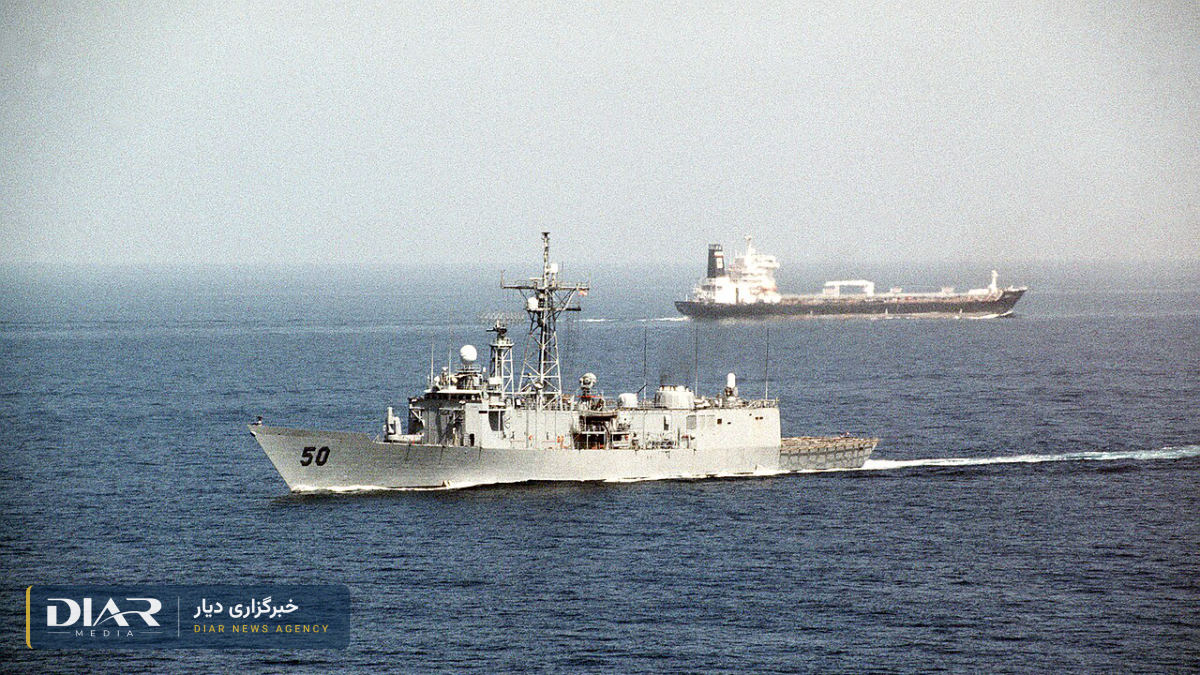
The Strait of Hormuz carries about a fifth of the world's oil, and the repeated attacks on tankers have put heavy pressure on commercial shipping through the waterway and on insurance and freight costs.
After days of blaming tanker explosions on "naval mines", the IRGC has now admitted a direct attack on the third supertanker in two days.
Comments
No comments yet. Be the first.