
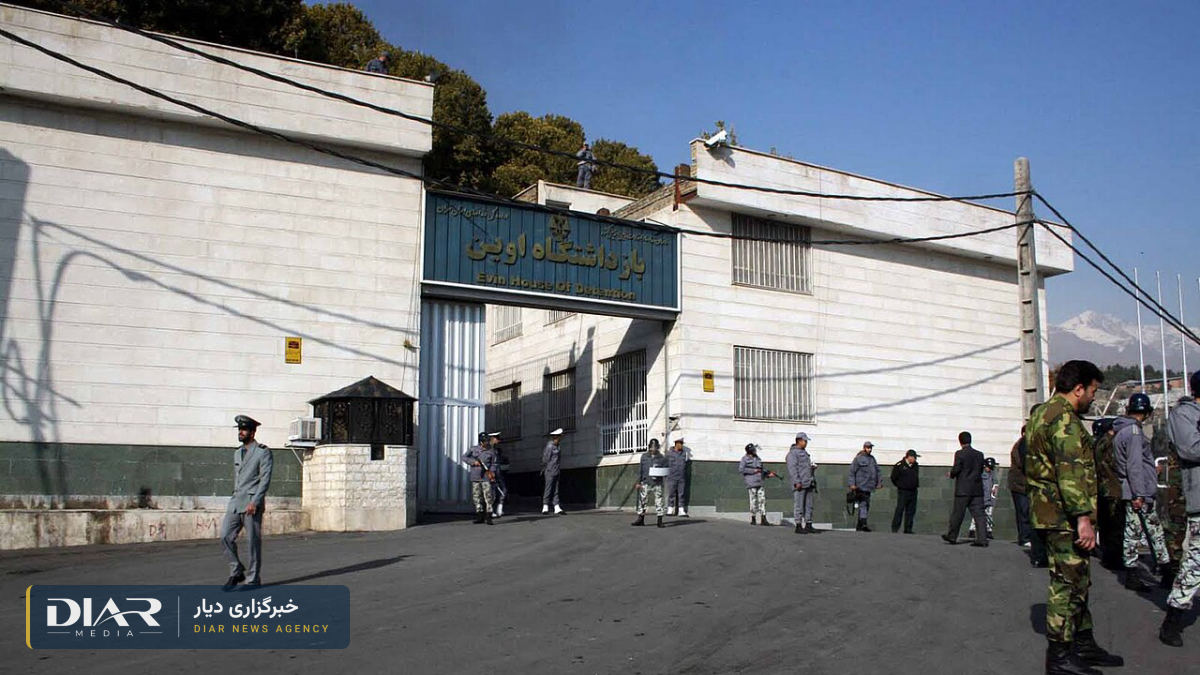
Mahshad Keshani, a 22-year-old political prisoner and the wife of Alireza Sepahi, a protester executed in Isfahan, has been placed under interrogation and pressure in Isfahan's Dolatabad prison to deny her marriage to him after her husband's execution. Iran International published the report on Saturday, 10 October 2026, citing a well-informed source.
According to the source, Ms Keshani "has been subjected to severe interrogation" and her contact with the outside world has been cut. Her family and Alireza Sepahi's family have also been interrogated and asked to deny the couple's marriage. The source named Fatemeh Askari, head of the women's ward of Dolatabad prison, as one of those behind the pressure, and called for an examination of her role and that of another person whose name appears only as initials.
A marriage one day before the execution
Alireza Sepahi, a 25-year-old protester who had been arrested during the January 2026 uprising, was executed in Isfahan's Dastgerd prison in the early hours of Monday, 5 October. According to Iran International, on Sunday, 4 October, the day before his execution, he married Mahshad Keshani, and news of the marriage drew wide attention on social media a few hours before the sentence was carried out. According to Euronews Persian, the marriage contract was read with the fathers of the two parties acting as proxies, and the human rights organisation Hengaw has reported that after the contract the two never saw each other in person.
Mahshad Keshani is a defendant in the same case and has been sentenced to five years in prison. The judiciary-linked Mizan news agency had described Alireza Sepahi as the "main defendant" in the so-called Ilkhani Square case in Malekshahr, Isfahan; yet, according to HRANA, the Supreme Court had agreed to a retrial for him, but a parallel branch rejected the request without holding a hearing and sent the case on for the sentence to be carried out.
UN concern over torture and an unfair trial
Mai Sato, the UN Special Rapporteur on human rights in Iran, had said before the execution that the case raised serious concerns about respect for fair trial principles. According to her, Alireza Sepahi's mother was tortured before her son's eyes, and he himself and his cousin were also beaten and tortured in front of their families.
Pressure on the families of the executed to stay silent, deny facts or prevent mourning is a well-known pattern of conduct by the Islamic Republic's security bodies. Sepahi's execution is part of a wide wave which, according to HRANA, has produced at least 2,003 executions in Iran over the past year; details of these figures are in HRANA's annual report on executions in Iran. In these same days the revolutionary courts have also issued death sentences against other protesters, including Hadi Abbasian, a protester from Shirvan.
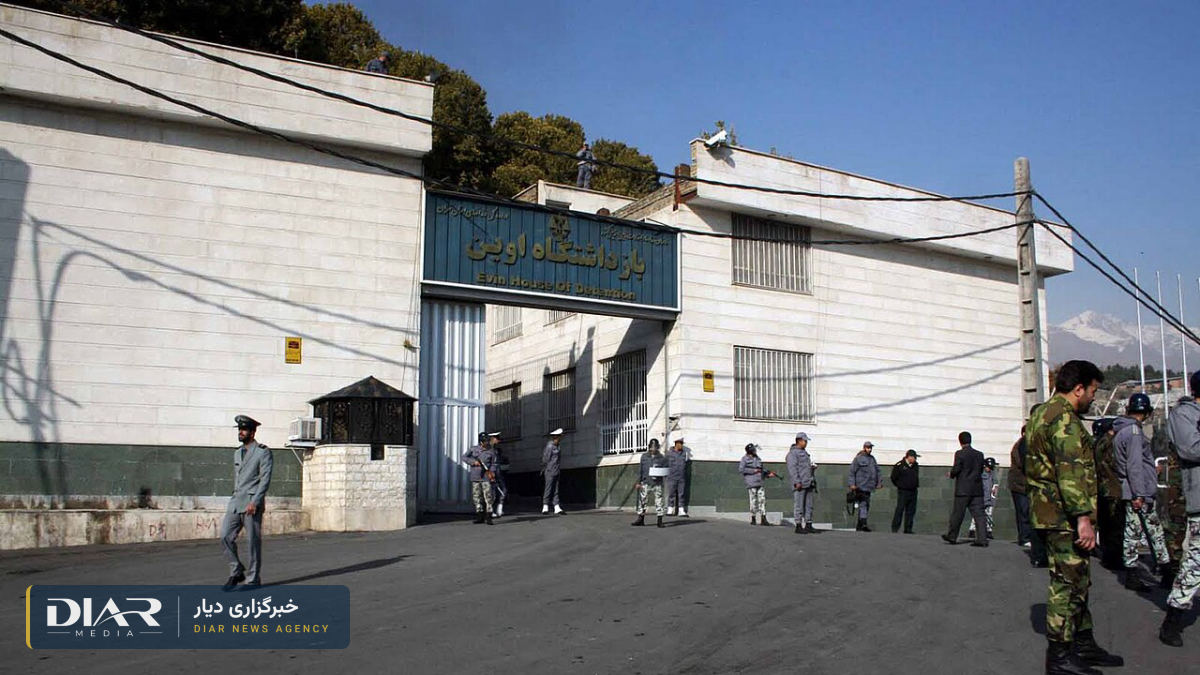
After her husband's execution, Mahshad Keshani is under pressure to deny a marriage that took place the day before he was executed.
Comments
No comments yet. Be the first.