
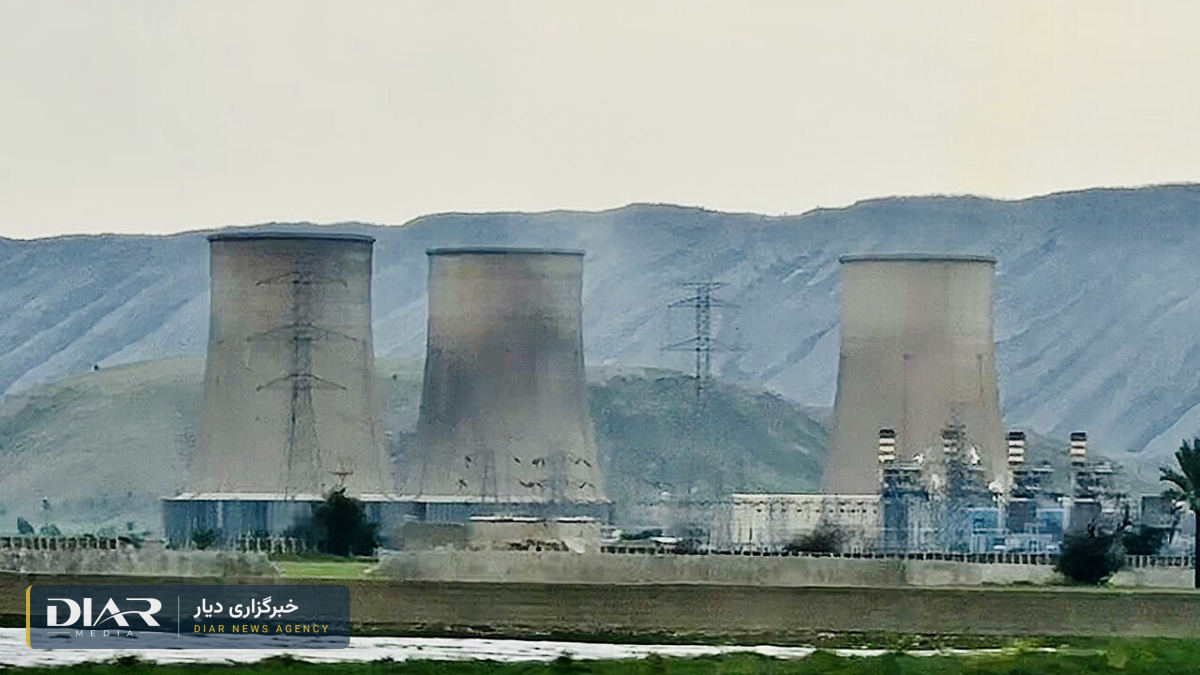
Forced shutdowns and disruption of economic activity cost Iran's economy about $34 billion in the Iranian year 1404 (March 2025 to March 2026). The estimate comes from Iran's Chamber of Commerce, which based it on available data and a survey of business owners. It shows what the Islamic Republic's failure to supply electricity and gas has cost production and ordinary people.
According to the Chamber, last year saw 61 days of complete, compulsory shutdown, and on another 190 days at least one disruptive factor caused problems for businesses. The Chamber says about 22 percent of working time was lost; that does not mean GDP fell by 22 percent, but it shows the scale of the crisis.
From power cuts to wartime conditions
The Chamber lists power cuts, gas cuts, internet disruption, air pollution and wartime conditions as the causes of the losses. These factors disrupted production, the supply of raw materials, sales and the fulfilment of commercial obligations. Keyvan Kashefi, a member of the Chamber's board of representatives, said that the problem facing production today is not limited to the shortage of electricity.
Hamidreza Salehi, deputy head of the Chamber's energy committee, warned that the relative easing of power restrictions this summer does not mean the energy shortage is over; part of the drop in consumption is because some industries are working less.
A cost that reaches people's tables
On shutdown days businesses still pay their fixed costs while their output and income shrink. The result is higher production costs and prices, and falling sales lead to shorter working hours, lower wages and lost jobs. The World Bank has also warned that high food inflation, shortages of imported goods and the consequences of the war are increasing poverty in Iran.
The private sector has proposed flexible working days and compensation for businesses, but these proposals are no substitute for investment in power plants, repairing infrastructure and a stable supply of electricity and gas.
In the Iranian year 1404, Iran's economy was completely shut down for 61 days and lost $34 billion.
Comments
No comments yet. Be the first.