
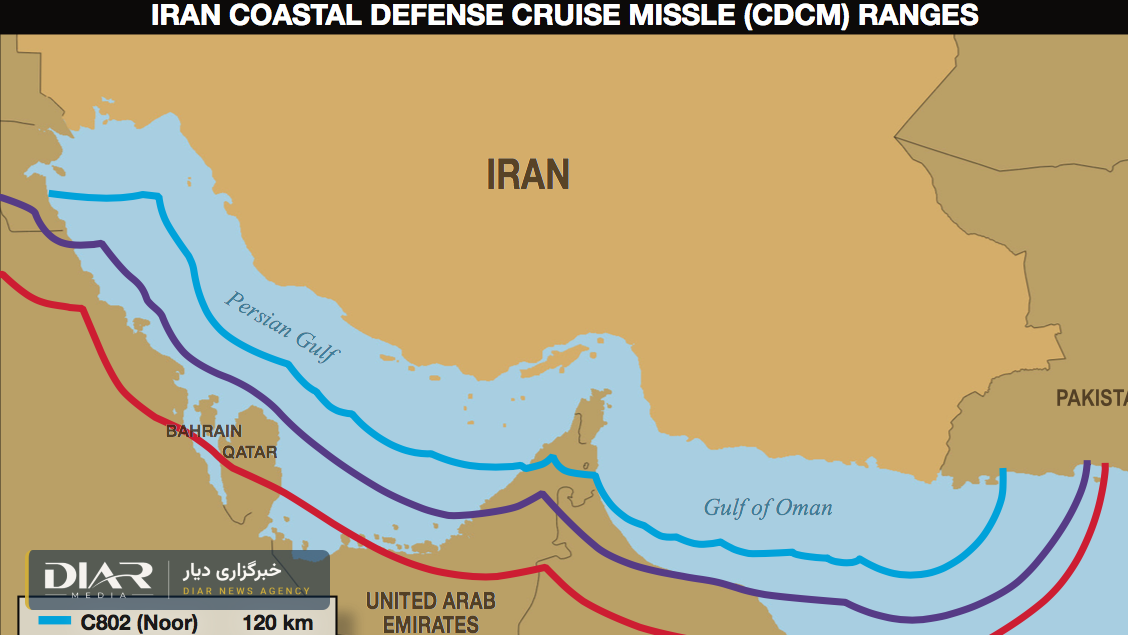
Despite months of US and Israeli attacks, the Islamic Republic has kept its missile and drone factories and is using the current pause in strikes to rebuild its arsenal. Bloomberg published the report on Friday, 9 October 2026, citing Western officials who were not named because the assessments are classified.
According to one of these officials, the Islamic Republic still holds significant stocks of ballistic missiles and some anti-ship weapons and can quickly add to them. The same official said Russia is also delivering missiles to the Islamic Republic; the Russian Defence Ministry did not respond to Bloomberg's request for comment.
Missiles fired and stocks remaining
According to a Western intelligence assessment last June, the Islamic Republic then still had about three quarters of its total pre-war munitions. Before the war, Israel had estimated the Islamic Republic's ballistic missiles at about 2,500, and the number remaining is unclear. Bloomberg Economics, based on public data, has estimated that since the war began on 28 February 2026, the Islamic Republic has fired more than 4,000 Shahed drones and cruise missiles and at least 2,000 ballistic missiles.
A Western assessment shows the Islamic Republic is using the pause in attacks to rebuild its missile arsenal.
The White House response and expert views
According to Iran International, the White House rejected the assessment, saying the Islamic Republic's weapons-production infrastructure has been destroyed. White House spokeswoman Anna Kelly said that the United States first destroyed the nuclear facilities in Operation Midnight Hammer and then, in Operation Epic Fury, the shield of conventional weapons, including ballistic missiles, the production plants and the navy of the Islamic Republic. US Defense Secretary Pete Hegseth had also said on 30 September that the Islamic Republic's industrial-military capacity has been destroyed.
Experts hold differing views. Jim Lamson, a former CIA analyst, said the strikes have probably weakened a large part of missile-production capacity for a long time. Becca Wasser of Bloomberg Economics said the halt in attacks on the Islamic Republic has given it an opportunity to rebuild. Sidharth Kaushal of the Royal United Services Institute (RUSI) said the stock of anti-ship missiles is probably significant, and that the biggest obstacle to attacking commercial ships is access to targeting intelligence.
The report came after Donald Trump announced that he will not attack Iran before the midterm elections. Meanwhile, according to the British navy, at least 10 ships were targeted in the Strait of Hormuz area last week, and the IRGC has claimed responsibility for an attack on a liquefied gas tanker.
Comments
No comments yet. Be the first.