
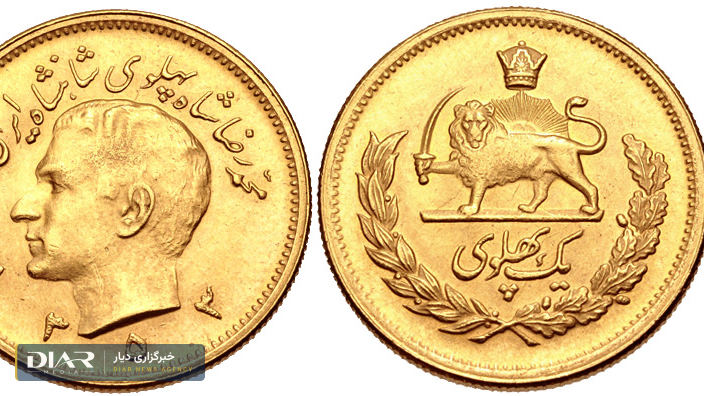
In a notice to the city's goldsmiths on Monday, 2 November 2026, the Mashhad union of gold, jewellery, silver and coin traders announced that buying, selling and displaying jewellery and coins bearing the Lion and Sun or symbols of the Pahlavi era is banned. The union attributed the order to the public places office of the police command.
Under the notice, bracelets, pendants, necklaces, silverware, coins and commemorative coins with these designs must be removed from shop windows and shelves. The union warned that shops displaying or selling such goods will be "dealt with", but did not say what the penalty would be. It is not yet known whether a similar order will be issued for the gold markets of other cities.
The Islamic Republic's war on the Lion and Sun
Mashhad is Ali Khamenei's birthplace, and the ban was issued in a city the regime regards as one of its main strongholds. The union gave "maintaining supervisory regulations" and carrying out police orders in commercial centres as the reason for the order.
Since the months of the Dey uprising of 2025-2026, the Lion and Sun has become the main emblem of protesters and of supporters of Prince Reza Pahlavi inside and outside Iran. In recent weeks the Prince's media office has also published videos of compatriots in various cities setting fire to the Islamic Republic's flag and raising the Lion and Sun flag.
The emblem has appeared on Iranian jewellery at least since the reign of Fath-Ali Shah Qajar, about two centuries ago, and in the Pahlavi era it was on coins and on the country's official emblem. After 1979 it remained on jewellery, and for many Iranians it stands for national identity.
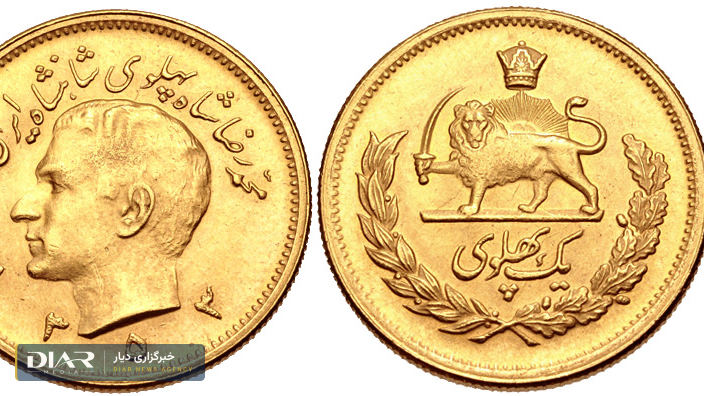
The Islamic Republic has now banned the sale of necklaces and coins bearing the Lion and Sun in Mashhad too.
Comments
No comments yet. Be the first.