
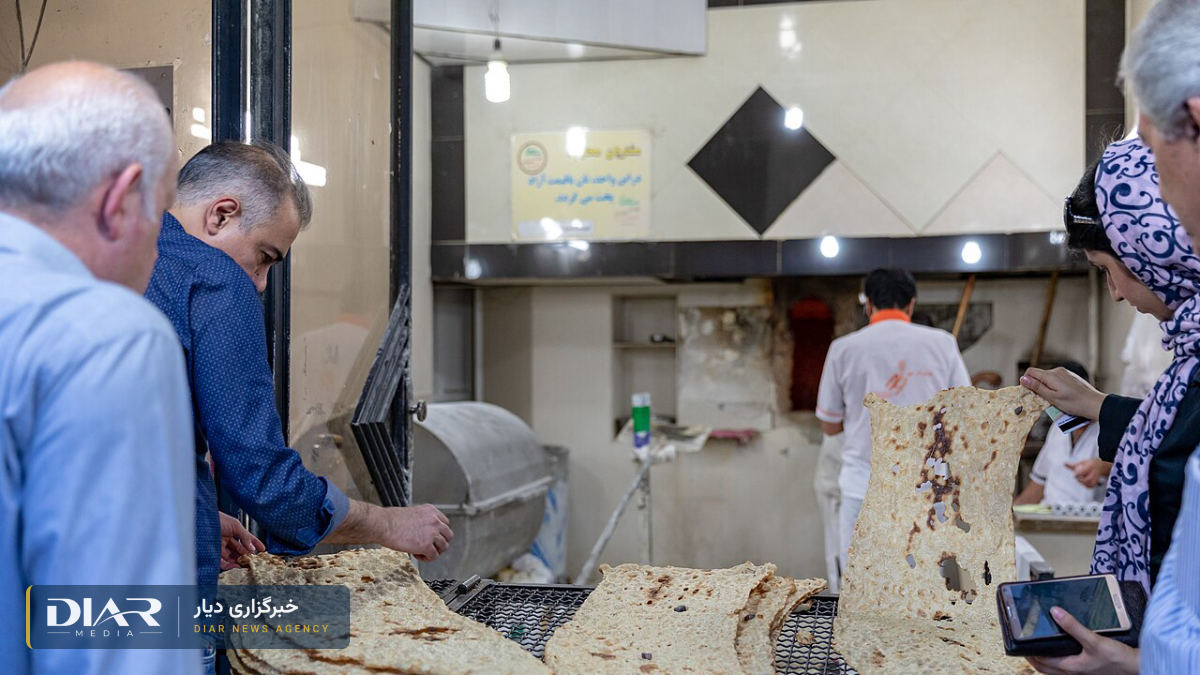
Hossein Samsami, a member of the economic committee of the Islamic Consultative Assembly, announced on Sunday 1 November 2026 that the preferential exchange rate for 4,533 goods is being scrapped, and said prices of goods and cars will rise by 40 to 50 per cent within the next one to two months. The removal of the preferential rate comes as point-to-point inflation reached 88.7 per cent in October.
According to Samsami, the Ministry of Industry, Mine and Trade has asked the central bank in a letter to grant the 188,000-toman rate to only a few goods and to supply foreign currency for the rest at a rate close to the open market. He said the letter deliberately pushes up the prices of more than 4,000 goods, and warned that within a month the country's economic situation would be worse than it is now. Samsami called the current policies a repeat of those of last December–January that led to the Dey 1404 uprising, and said he has prepared a motion to impeach Masoud Pezeshkian but has not yet submitted it.
Pasta wheat price up 2.5 times
At the same time, the market regulation headquarters raised the price of wheat delivered to pasta factories from 23,850 toman to 60,000 toman per kilo, the same 2.5-fold increase applied earlier to wheat for industrial bread. Mohammad Javad Karami, head of the flour and bread working group of the guilds chamber, says the new rate took effect last Wednesday without prior notice. According to the Islamic Republic's Statistical Centre, annual inflation for bread and cereals exceeded 120 per cent in October.
Smaller meals on people's tables
Annual inflation in October was 76.8 per cent and monthly inflation 4.4 per cent, according to the same centre. In messages to independent Persian-language media, citizens have described 40,000-toman lavash bread and a poultry seller in Tabriz whose daily sales fell from about 70 chickens to 12. Pensioners say their pensions do not cover even ten days of expenses and that the goods vouchers no longer cover basic shopping.
Samsami recalled last year's removal of the 28,500-toman rate, which he said pushed the price of chicken from about 140,000 toman to 240,000–250,000 toman. He said the Pezeshkian government takes about 10 million toman a month from people's pockets through these changes and gives back about one million toman in goods vouchers.
The Islamic Republic's currency squeeze has worsened with the halt in oil exports: seaborne crude exports, about 230,000 barrels a day in late August, fell to zero from early October. The dollar hit a record 275,500 toman on Tehran's open market last week, and liquidity growth in October doubled.
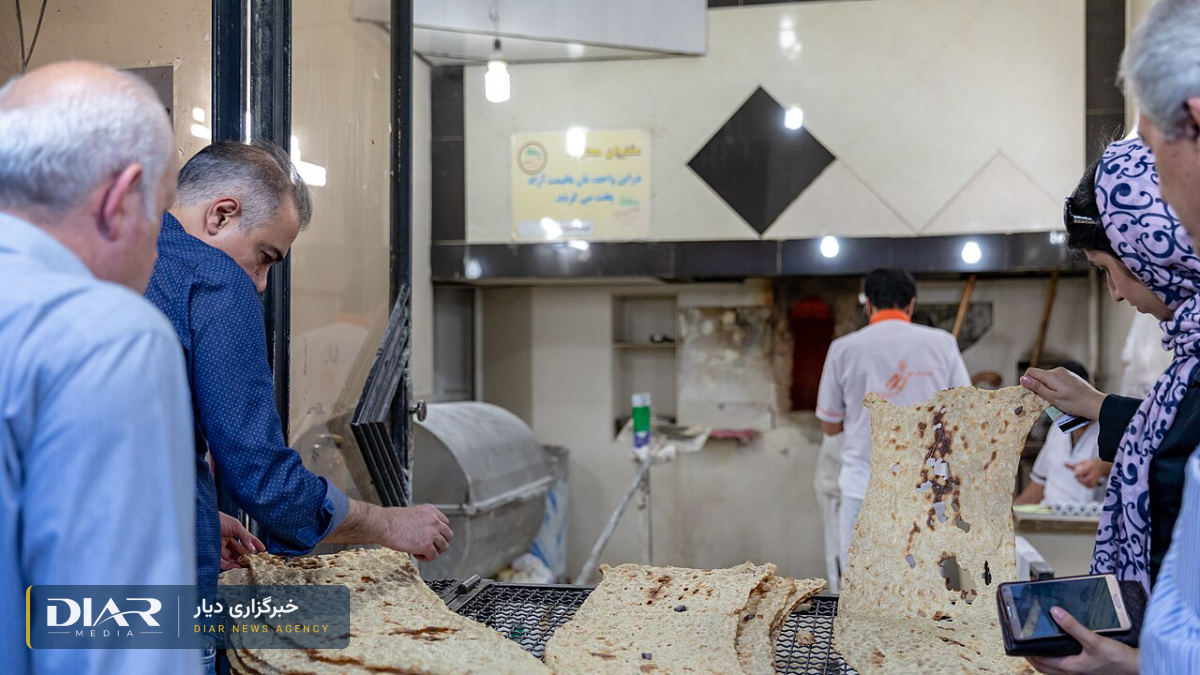
With the preferential rate scrapped for more than 4,500 goods, a new wave of price rises is on the way.
Comments
No comments yet. Be the first.