
Shahin Shadnia, head of Loghman Hakim hospital in Tehran, said in an interview with Mizan news agency, which is affiliated with the Islamic Republic's judiciary, published on Sunday 1 November 2026, that the shortage of some medicines and strategic supplies in the hospital is "quite evident", and blamed it on sanctions and damage to drug production lines inside the country.
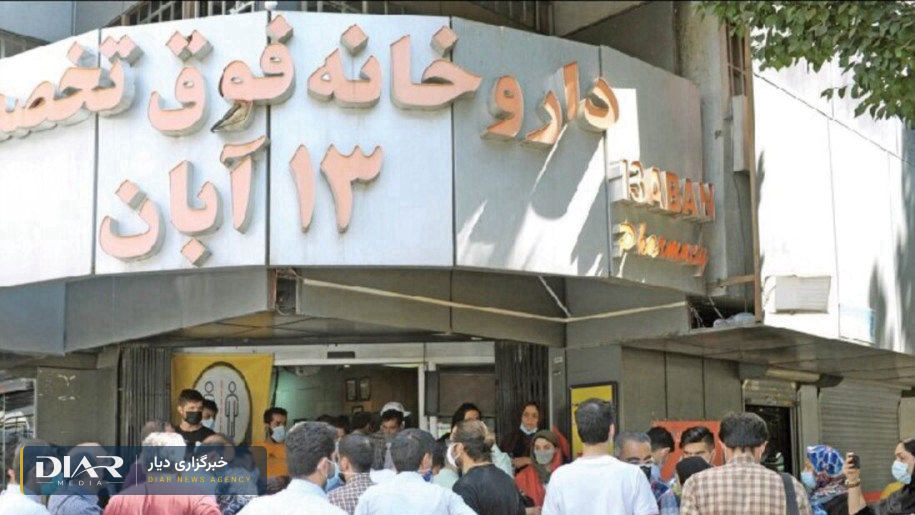
According to him, medical staff sometimes have to send patients and their relatives to the 13 Aban pharmacy or the open market to obtain medicines, and a drug that used to cost 500,000 to 600,000 toman now costs several times as much. The cost of hospital stays and medical services has also jumped.
The claim: sanctions are the root of the shortage
The US Treasury has stated repeatedly that sanctions do not cover food, medicine or medical equipment, and the general licences of the Office of Foreign Assets Control allow these goods to be exported to Iran. Banking restrictions exist and payments must go through third countries, but medicine itself is not a target of sanctions.
The facts: the currency jump, insurers' debts and blackouts
The official exchange rate used to import many drug raw materials was 28,500 toman and is now close to 150,000 toman, about five times higher. The head of the syndicate of human pharmaceutical manufacturers has said that the difference between the two rates was supposed to go to insurers so they could widen their coverage, but it was not paid on time. Insurers' accumulated losses are estimated at nearly 80,000 billion toman, and bank lending rates have risen in some cases to around 40 per cent.
Blackouts and power rationing have also cut output at drug factories and raised their costs. The head of the Food and Drug Administration says the prices of more than 1,096 medicines are under review. Together with the rapid growth of liquidity and the collapse of the rial, these figures show that much of the price rise and the shortage comes from the Islamic Republic's currency and monetary policies.
Part of Shadnia's statement is true: the Food and Drug Administration has confirmed that eight pharmaceutical factories, several pharmacies and a medical equipment company were damaged in wartime attacks.
DIAR's verdict
Misleading. War damage to several factories is real, but medicine is exempt from US sanctions, and the fivefold jump in the exchange rate for drugs, the unpaid insurers' share and the blackouts, all the result of the Islamic Republic's decisions and mismanagement, play a larger part in the price rises and shortages of medicines.
Medicine is exempt from US sanctions; the exchange rate for drugs in Iran has risen fivefold and the insurers' share has not been paid.
Comments
No comments yet. Be the first.