
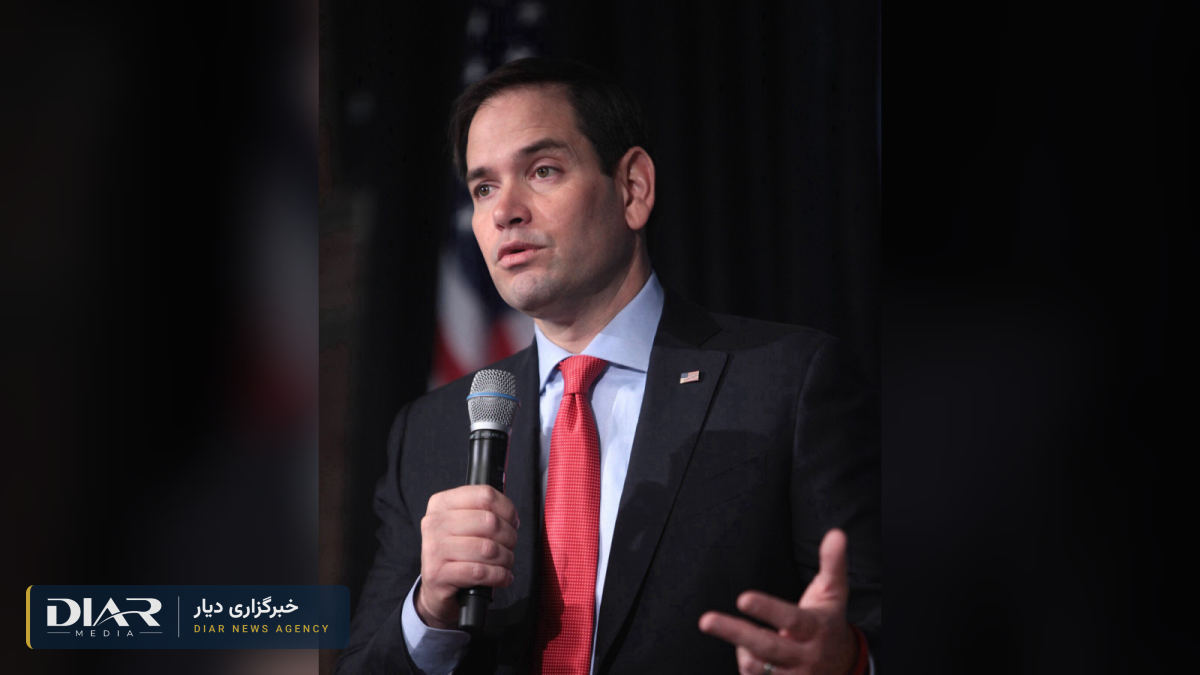
US Secretary of State Marco Rubio said on Saturday, 31 October 2026, at the closing press conference of the G20 foreign ministers' meeting in Atlanta that Donald Trump has not yet decided on a new strike on the Islamic Republic. He said talks on Iran are continuing and Trump prefers a peaceful settlement, but the United States has the capacity to act militarily if the president deems it necessary.
Rubio declined to set any timetable for the negotiations or to assess their progress. He said Washington welcomes a diplomatic solution, provided it does not endanger US national security and does not leave the country's core concerns unanswered. He added that some issues cannot be resolved peacefully.
Rubio and the attacks on merchant ships
The secretary of state placed the Islamic Republic at the centre of instability in the Middle East, pointing to its support for Lebanon's Hezbollah, Yemen's Houthis and Iraqi militias. He said the Islamic Republic is seeking nuclear weapons and must never obtain them, and recalled the killing of Iran's people by that same regime. Rubio also said the Islamic Republic blows up merchant ships, including ships with Indian crews, and talks about it openly, a situation that, in his words, resembles the world of 80 to 100 years ago.
The remarks came after a month that, according to the UK Maritime Trade Operations centre, was the worst month for ships in the Persian Gulf and the Strait of Hormuz, with 35 attacks. Earlier, the United States had also warned several Arab Gulf states to prepare for a new round of strikes after the 3 November congressional elections.
Bessent: the world can do without Iranian oil
Treasury Secretary Scott Bessent also wrote on X on Saturday that shipping traffic through the Strait of Hormuz, excluding Iranian oil cargoes, has returned to pre-conflict levels. He added that the world can carry on without Iranian oil, but the Islamic Republic cannot survive without oil exports. On Thursday, 29 October, Bessent had said the Islamic Republic is losing vital sources of financing under the US economic pressure campaign.
No reply yet to Vance's letter
In Tehran, Mohsen Rezaei, secretary of the Islamic Republic's Supreme National Security Council, said on Saturday evening that he had read the letter from US Vice President JD Vance but had not yet replied to it. Asked about speculation over a change in the Islamic Republic's nuclear doctrine, he said no new decision had been made. A day earlier, Qatari mediators had returned to Tehran, and the talks are now continuing in Doha.
The US secretary of state said Trump prefers diplomacy, but the military option against the Islamic Republic has not been set aside.
Comments
No comments yet. Be the first.