
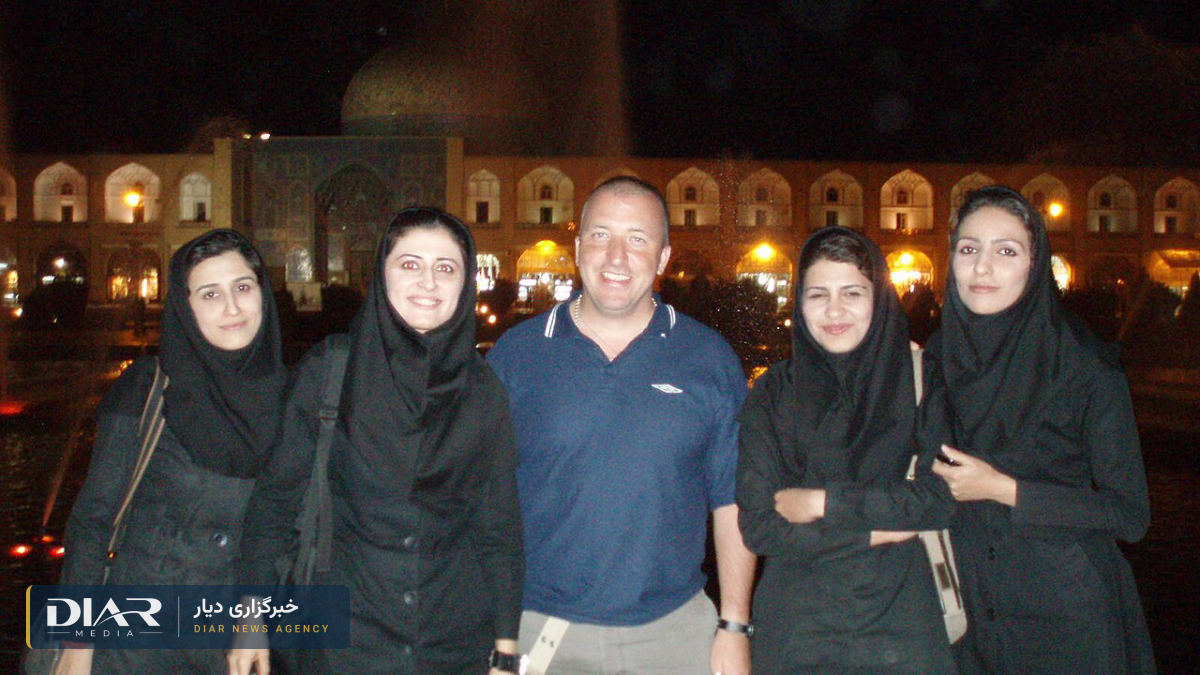
Ali Salehi, Tehran's public and revolutionary prosecutor, ordered at a meeting of the so-called "Chastity and Hijab" task force that the social media pages of unlicensed tour operators be blocked within a week. The order, published on Friday, 30 October 2026, carries the pressure of compulsory hijab from the street to tourism businesses.
At the same meeting, Salehi called for using "public participation" to carry out compulsory hijab programmes, saying: "Experience has shown that wherever we have entrusted the work to the people, we have seen positive results." He also spoke of a "decisive" response to what he called "organised networks promoting corruption".
28 agencies under inspection
According to Tehran's prosecutor, 28 executive agencies have legal duties regarding hijab, and the Tehran Province Inspection Organisation must review their performance within a month. Managers who have fallen short in carrying out these duties will face a "decisive and deterrent" response. The heads of these agencies must also send written, documented reports of their actions to the prosecutor's office and the task force secretariat. Salehi also called for stricter enforcement of the dress code of government employees.
The order gave no explanation of how a tourism licence relates to hijab. The "Hijab and Chastity" law passed by the Islamic Republic's parliament treats tour routes and destinations as places of business and fines tour organisers over their passengers' clothing. The same law ties business licences to compliance with compulsory hijab, gives the police the power to seal premises and sets fines of up to 10% of annual revenue for online platforms.
A law that was halted but is being enforced
The Islamic Republic's Supreme National Security Council suspended the law's implementation on 14 December 2024, one day after its promulgation was announced, and the suspension still formally stands. Even so, the judiciary and the police have in practice applied parts of it in recent months: on 20 July, seven café-restaurants on Sanaei and Iranshahr streets in Tehran were sealed, and the closures spread to Mashhad, Ardabil, Rasht, Minudasht and Zarand. UN special rapporteurs had earlier called for the law to be repealed, warning that its financial penalties would hit vulnerable groups hardest.
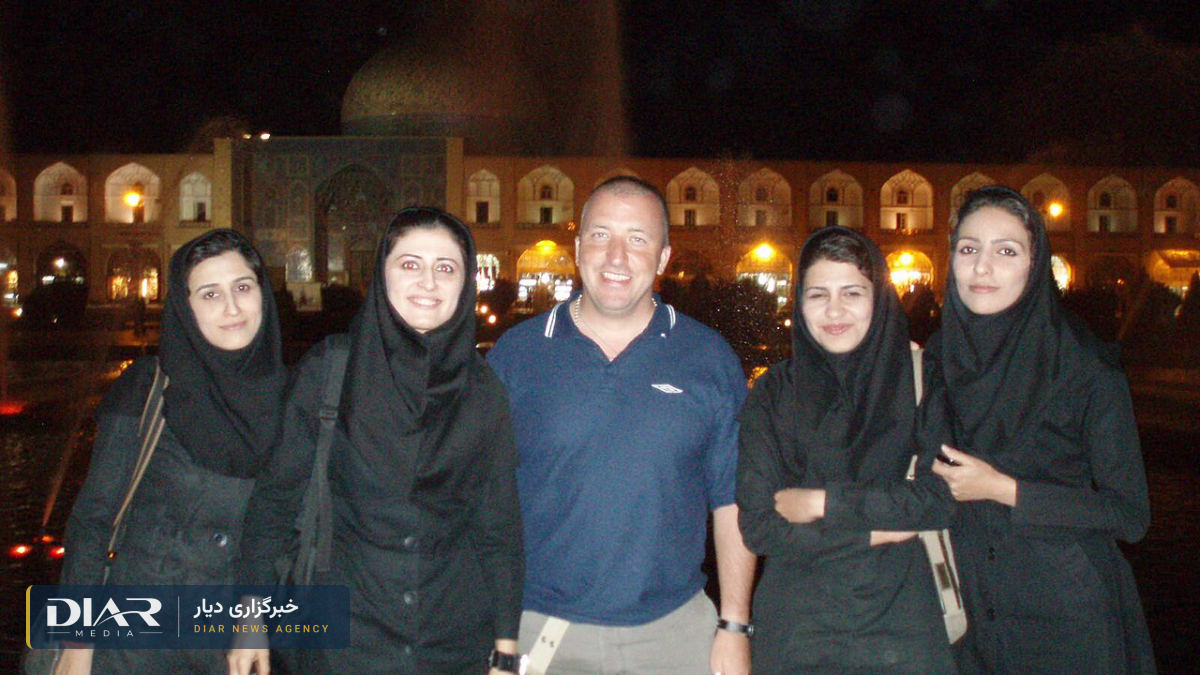
Using a law that is officially suspended, Tehran's prosecutor's office is turning tour operators into a tool for enforcing compulsory hijab.
Comments
No comments yet. Be the first.