
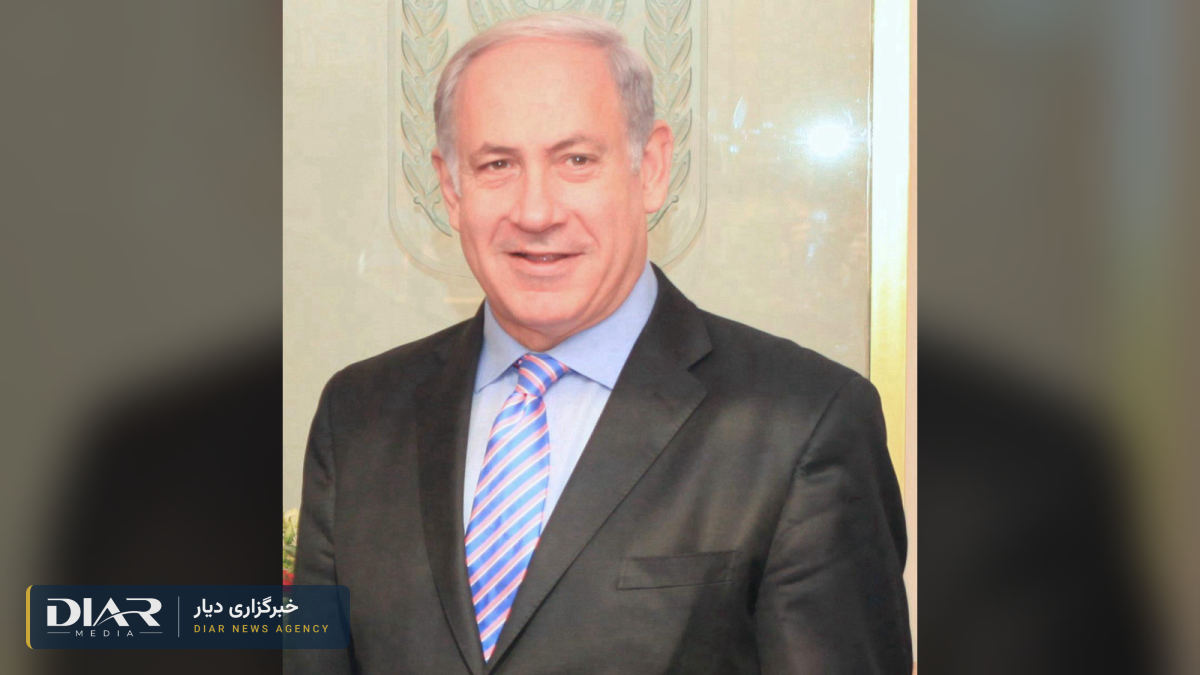
Voting in Israel's parliamentary election began on Tuesday morning, 27 October, at 8:30 Tehran time and runs until 23:30. It is Israel's first election since Hamas's attack of 7 October 2023, and Prime Minister Benjamin Netanyahu is competing against Gadi Eisenkot, leader of the centre-right Yashar party, to keep his right-wing and religious coalition in government.
The Knesset has 120 seats, allocated nationwide by proportional representation, and each party needs at least 3.25 percent of the vote to enter parliament. About 12 parties have a chance of clearing that threshold. Recent polls show a close race with no clear winner.
The Islamic Republic in the campaign
The war with the Islamic Republic has been one of the main issues of this election. On Sunday, 25 October, Benjamin Netanyahu spoke of intelligence signs of a possible attack by the Islamic Republic and its proxies before the vote. The same day Donald Trump urged Israelis to vote for Netanyahu so that, in his words, the unfinished job could be finished. On Monday night in Mississippi, Trump called the ceasefire with the Islamic Republic a waste of time.
Security failures before 7 October, military service for the Haredim and efforts to exclude Arab-led parties have been the other main issues of the campaign.
When the results will be known
Israeli television channels publish exit polls after the polling stations close. The final count is expected by Thursday, 29 October, and official results will be announced on 4 November. If no party or coalition wins a majority, forming a government could take days or weeks. After consulting party leaders, Israeli President Isaac Herzog will task the candidate with the best chance with forming a government, who then has up to 42 days.
The outcome of Israel's election has a direct bearing on the decision whether to resume the war with the Islamic Republic.
Comments
No comments yet. Be the first.