
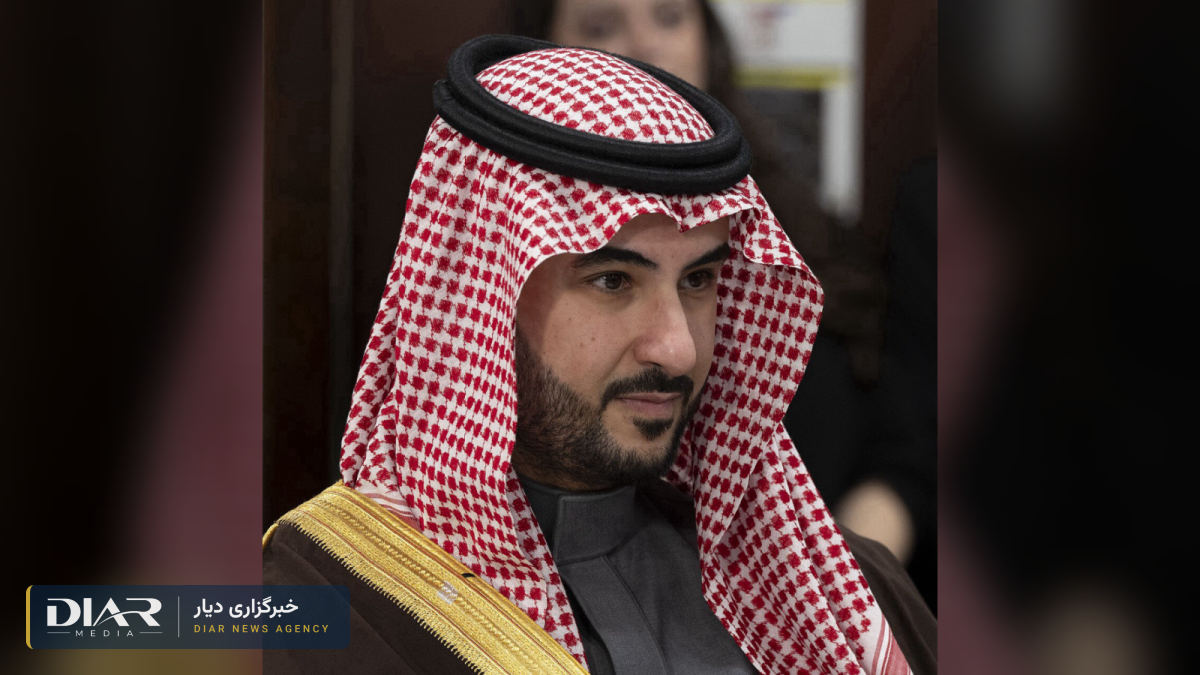
Prince Khalid bin Salman, Saudi Arabia's defence minister, Field Marshal Asim Munir, the commander of Pakistan's army, and the head of Turkey's intelligence organisation meet Islamic Republic officials in Tehran on Monday 26 October 2026. Two informed sources told Reuters that the subject of the meeting is "regional coordination".
Saudi Arabia, Pakistan and Turkey signed the "Mecca joint defence pact" this summer, which commits them to come to each other's aid if any of them is subjected to an armed attack. The Saudi government's media office and the Pakistani army's public relations department did not respond to requests for comment.
Why the meeting is taking place now
The visit comes as the Houthis, backed by the Islamic Republic, have targeted Saudi cities with missiles and drones in recent days and have declared Riyadh's King Khalid airport a "military target". The Saudi-led coalition said early on Monday that it had destroyed two Houthi ballistic missile launchers in Sanaa. Saudi Arabia is a member of a pact that obliges Pakistan and Turkey to defend it, and the presence of Pakistan's army chief and Turkey's intelligence chief alongside the Saudi defence minister sends a clear message about the two countries' support for Riyadh.
Asim Munir was also in Tehran a few days ago, and Pakistan has acted in recent weeks as a messenger between Washington and Tehran; the Islamic Republic's ambassador in Islamabad had earlier said that Tehran had sent, via Pakistan, an offer to reopen the Strait of Hormuz in exchange for lifting the US naval blockade. At the same time, Qatari mediators were also in Tehran on Sunday in coordination with the United States.
The Islamic Republic under pressure from all sides
Esmaeil Baghaei, the Islamic Republic's foreign ministry spokesman, told the German broadcaster ARD that Tehran has not closed the door to diplomacy with the United States, but accused Washington of insisting on one-sided demands. Donald Trump said on Sunday that the war will not end until the United States is sure the Islamic Republic has no nuclear capability.
The constant coming and going of mediators in Tehran comes as the US naval blockade has halted the Islamic Republic's oil exports and its neighbours, from Pakistan to Iraq, have restricted their border crossings one after another.
Three states of the Mecca defence pact travel to Tehran together, while the Houthis backed by the Islamic Republic are targeting Saudi Arabia.
Comments
No comments yet. Be the first.