
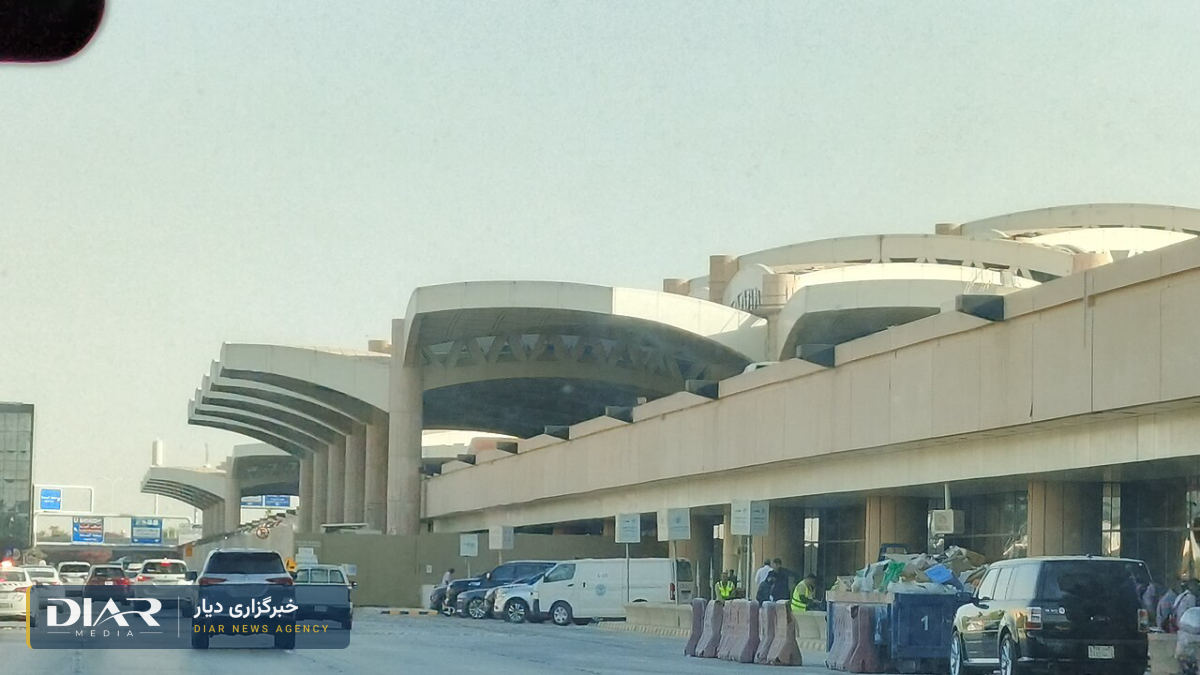
The sound of three explosions was heard in Riyadh, the capital of Saudi Arabia, early on Sunday, 25 October 2026, on the very day King Khalid International Airport was due to reopen after about two weeks of closure caused by repeated Houthi attacks. According to flight-tracking data, one flight took off from the airport on Sunday morning.
Riyadh residents received an "air threat" text alert and were told to go to shelters. The Saudi-led coalition said it destroyed a ballistic missile over Riyadh and two drones in the capital area. No casualties from the Riyadh explosions have been reported.
Houthi claims and threats
Yahya Saree, the Houthis' military spokesman, claimed on Saturday, 24 October, that the group had targeted Riyadh's King Khalid airport twice in the previous 24 hours, as well as King Fahd airport in Dammam, Najran airport and an air base in Khamis Mushait. On Sunday he warned airlines, staff and passengers to stay away from Riyadh airport, calling it a military target. The coalition also reported destroying two Houthi ballistic missiles fired towards Yanbu and Taif, and Saudi civil defence reported debris from intercepted missiles falling in parts of Mecca and Medina.
On the other side, Houthi-affiliated media reported that at least 16 people were killed in air strikes attributed to Saudi Arabia in Sanaa and Hodeidah.
The Islamic Republic's role
The Houthis are among the Islamic Republic's most important proxy groups in the region, and their missiles and drones are supplied by Tehran. The 2022 ceasefire in Yemen effectively collapsed in June–July this year, and since the US and Israeli strikes on the Islamic Republic on 28 February 2026, war has spread across the region. The US State Department had also highlighted the risk of missile and drone attacks by the Islamic Republic and the Houthis in a new travel warning.
The Houthi attacks on the Saudi capital show that the Islamic Republic has carried the war into the heart of the region's countries through its proxy forces.
Comments
No comments yet. Be the first.