
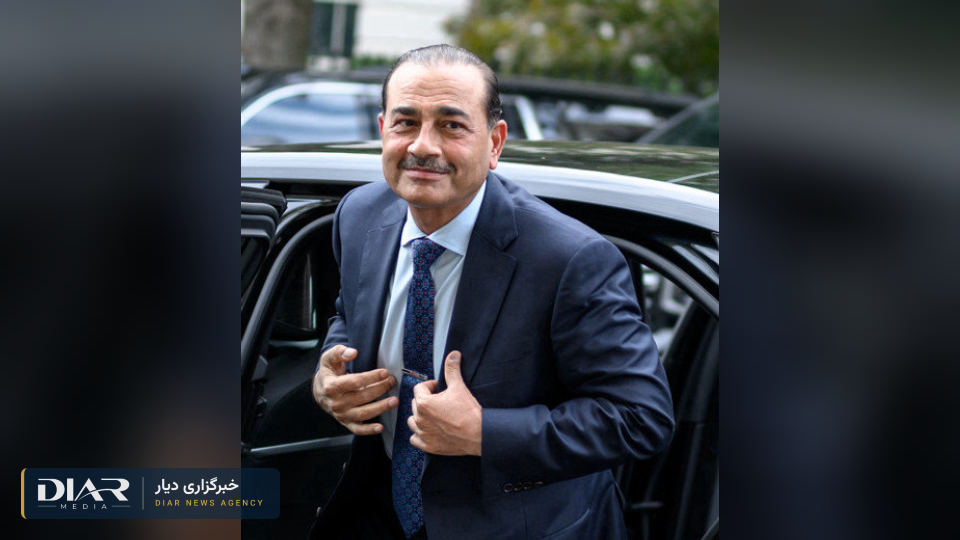
Reza Amiri Moghadam, the Islamic Republic's ambassador to Pakistan, told a meeting in Islamabad on Saturday, 24 October 2026, that Tehran had recently sent a message through Pakistan saying it would reopen the Strait of Hormuz to shipping if the United States lifted its naval blockade of Iran's ports. According to him, the message was passed on during visits to Tehran by Asim Munir, Pakistan's army chief.
Amiri Moghadam claimed that Donald Trump had rejected the proposal, insisting on keeping the blockade of Iranian ports in place. He accused the United States of "undermining diplomacy" and prolonging the deadlock in the Strait of Hormuz, and said the Islamic Republic was still ready to talk to Washington within the framework of the interim agreement reached in June with Pakistani and Qatari mediation. The White House had not responded to his remarks by the time of publication.
Hormuz, the Islamic Republic's hostage
The ambassador's remarks mean that the regime has turned freedom of navigation in one of the world's most important waterways into a bargaining chip to end a blockade that has cut off its oil revenue. With 28 attacks on commercial ships in and around the Strait of Hormuz, October has been the month with the most attacks since 2017.
The statements come as pressure on the Islamic Republic mounts. US officials say Donald Trump is inclined to resume military operations, and Pakistan has said it complies with all sanctions, while the Taftan and Rimdan border crossings remain closed.
The Mecca defence pact
Amiri Moghadam also said Tehran was studying the Mecca joint defence pact between Pakistan, Saudi Arabia and Turkey and would support it if it served its interests. The pact was signed after new attacks on Saudi Arabia by the Houthis, the Islamic Republic's allies in Yemen. Its signatories describe it as a defensive pact that, they say, does not target any particular country.
The Islamic Republic has put freedom of navigation in the Strait of Hormuz up for trade in exchange for an end to the blockade of its ports.
Comments
No comments yet. Be the first.