
Two senior security officials of the Islamic Republic told Reuters on Friday 23 October 2026 that Tehran has prepared detailed plans to attack undersea communication cables in the Persian Gulf, so as to target them if the United States and Israel attack again. The two officials, whose names were not disclosed, gave no details of how or where such an attack would happen, but one of them said the Islamic Republic would try to prevent repairs to the cables after an attack so that the communications and internet outage would last longer.
According to one of these officials, if the Islamic Republic is attacked there will be "no more red lines", from undersea cables to military bases, even hidden bases. The other official said the countries of the Persian Gulf, which have invested heavily in digital infrastructure, should hold the United States responsible for any damage. The US State Department and the Islamic Republic's foreign ministry did not respond to requests for comment.
Earlier IRGC threats
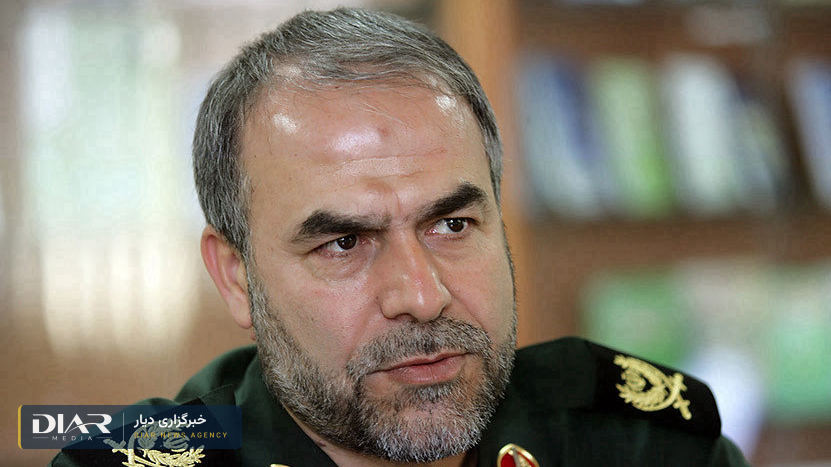
The plan comes after open threats by Islamic Republic commanders. Yadollah Javani, the IRGC's political deputy, said on Wednesday 21 October that if the Islamic Republic's infrastructure is targeted, the seven main internet cables under the Strait of Hormuz could be targeted. Mohsen Rezaei, secretary of the Supreme National Security Council, had also warned in recent weeks that US-linked data centres and artificial intelligence facilities in the Persian Gulf countries could be targeted. Earlier, as DIAR reported, the Islamic Republic had also threatened the airports and pipelines of the Persian Gulf countries.
In February-March 2026, at the height of the war, the IRGC called Microsoft, Google, Apple and Nvidia "legitimate targets", and Islamic Republic attacks that same month damaged two Amazon data centres in the United Arab Emirates.
Consequences of cutting the cables
According to the International Telecommunication Union, about 99 percent of global internet traffic passes through undersea cables. Alan Mauldin, research director at TeleGeography, says less than one percent of international bandwidth passes through the Strait of Hormuz and the global effect of an attack there would be limited; but the Red Sea carries about 10 percent of traffic between the world's regions and, with the Houthis' involvement, could be a bigger target. Experts say cutting several cables at once could disrupt the region's internet, financial transactions and cloud services, and that repairs under war conditions are difficult.
Alex Vatanka, director of the Iran programme at the Middle East Institute, sees these threats as an attempt at deterrence and at pressuring the Arab governments of the Persian Gulf and American companies so that they hold Donald Trump back from resuming the war. These threats come as attacks on ships in the Strait of Hormuz reached a new record in October.
After threatening airports and pipelines, the Islamic Republic is now also taking the region's internet infrastructure hostage.
Comments
No comments yet. Be the first.