
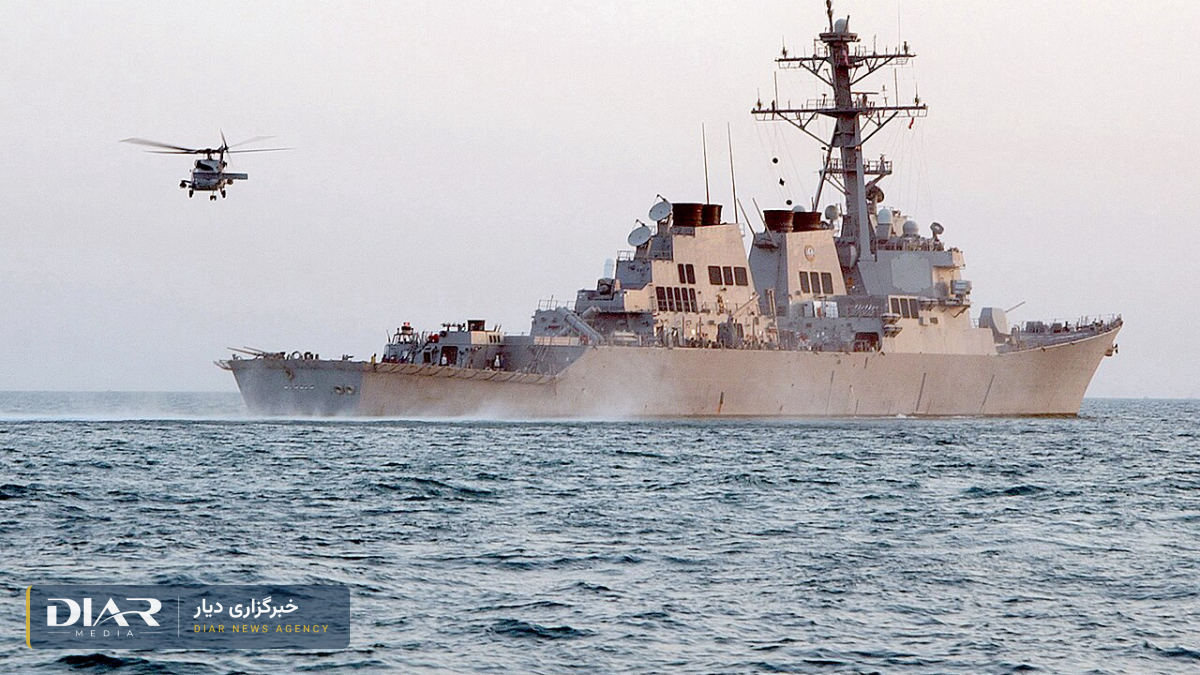
The US military's Central Command (CENTCOM) announced on Monday, 5 October 2026, that US forces had destroyed 13 commercial vessels over the past 12 weeks while enforcing the naval blockade of Iran. According to CENTCOM, these ships were either attempting to breach the blockade or were part of the IRGC's multibillion-dollar "shadow fleet" network.
In the same statement, CENTCOM added that on the same day it had forced the 130th commercial vessel in the Middle East to change course. According to the report, US forces have also disabled three ships that failed to comply with orders. IranWire and the Azerbaijani news agency Report also reported these figures.
Naval blockade since 14 July
According to CENTCOM, US forces resumed the blockade of ships seeking to enter or leave Iranian ports on 14 July 2026, on the orders of the US commander-in-chief. Pete Hegseth, the US secretary of defense, called the blockade of the Strait of Hormuz "ironclad" a few days ago.
The impact of the blockade is clear in the oil data. According to Reuters, as published by Voice of America, the Islamic Republic's oil exports fell to zero in the Iranian month of Shahrivar (August–September), while exports from the other Persian Gulf countries recovered to more than 81 percent of pre-war levels. Meanwhile, a number of sanctioned Iranian tankers have been drifting in international waters for months, and Sri Lanka rejected the Islamic Republic's request to supply them with water and food.
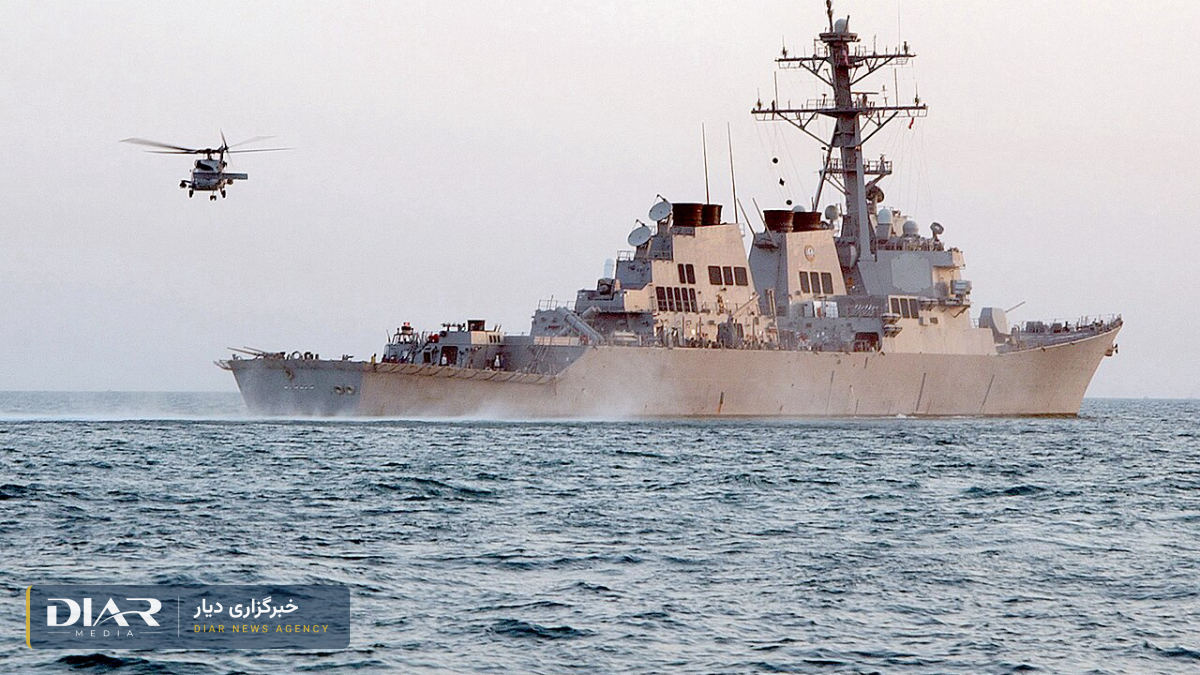
In 12 weeks of naval blockade, the United States has destroyed 13 ships, disabled three and forced 130 to change course.
Tension in the Strait of Hormuz
The figures were released as the IRGC is also threatening shipping in the Strait of Hormuz; on 5 October a tanker changed course and turned back after the IRGC threatened to target it. The Islamic Republic has made the reopening of the Strait of Hormuz conditional on its own demands being met, and mediation efforts to end the war have so far been unsuccessful.
Comments
No comments yet. Be the first.