
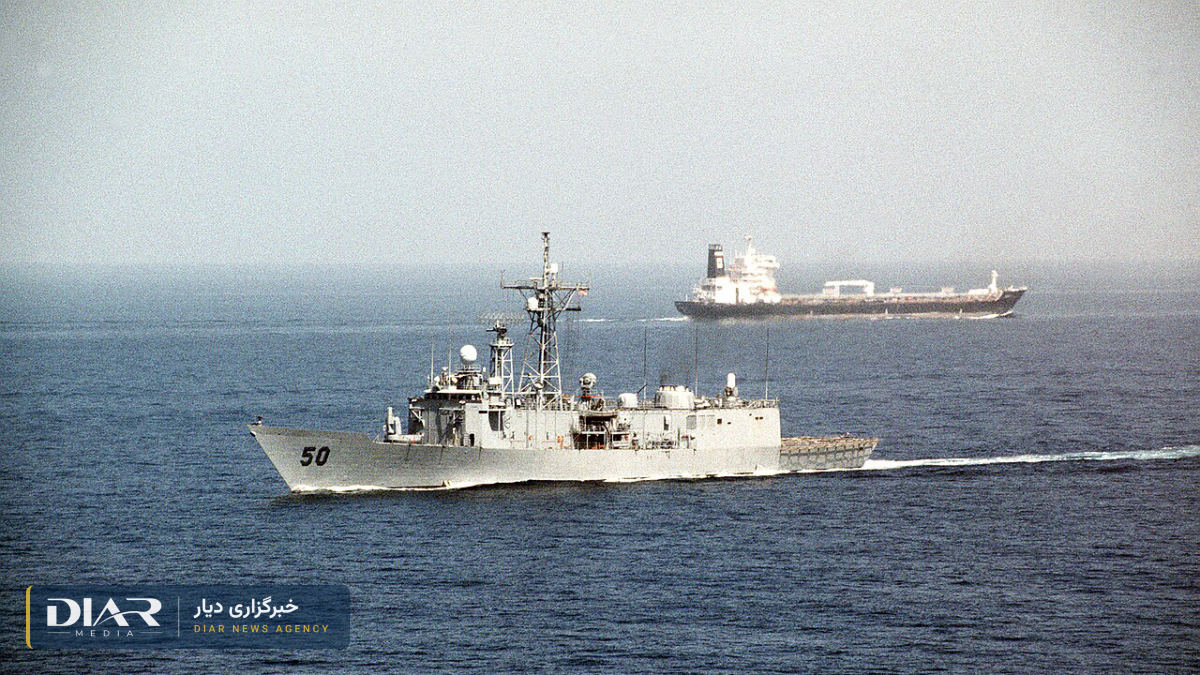
Mohammad Bagher Ghalibaf, the speaker of the Islamic Republic's parliament, announced at an open session of parliament on Sunday, 4 October 2026, that the Strait of Hormuz will not be reopened until Tehran's seven conditions, based on the Islamabad memorandum of understanding, have been met. He also said that the United States, contrary to what it says in the media, has made proposals to Tehran through a mediator.
According to BBC Persian, Ghalibaf said: “The Americans, who say something different in the media, have recently put forward proposals through a mediator.” According to the UAE-based newspaper The National, he added that the Islamic Republic is both fighting and negotiating. According to the same report, Qatar is relaying messages between Tehran and Washington.
Tehran's conditions and the seven-day offer
The Islamabad memorandum of understanding was signed on 17 June 2026 as a framework for talks between the two sides. In recent weeks the Islamic Republic has repeatedly demanded an end to the war, the lifting of the US naval blockade of Iran's ports, the release of frozen assets and the lifting of oil sanctions. Abbas Araghchi, the Islamic Republic's foreign minister, had earlier said that if these conditions were accepted, the strait would be reopened within seven days, and that the decision now rests with the United States. According to The National, Tehran has also offered to dilute its stockpile of 60 percent enriched uranium or to transfer it to a third country under mechanisms approved by the International Atomic Energy Agency.
According to NBC News, US President Donald Trump announced in mid-September that he had rejected Tehran's seven-day offer to reopen the strait, arguing that the Islamic Republic is in a position of weakness because of the naval blockade.
The easy way or the hard way
In his latest remarks to reporters outside the White House, Trump said that Iran's fate would be determined by Washington, either the easy way or the hard way. Without giving any details or timetable, he claimed that the Islamic Republic has been destroyed and has effectively abandoned its plans to obtain a nuclear weapon. The media interpreted these remarks as a choice between an agreement to end the war and a resumption of large-scale military operations.
Meanwhile, according to Iran International, the United Kingdom Maritime Trade Operations (UKMTO) centre announced on Sunday morning that a vessel in the Strait of Hormuz had been hit by an unknown projectile and its engine room had been damaged. According to the report, the crew are safe and no environmental pollution has been reported. The vessel's identity and flag have not been disclosed. On Thursday, another tanker was hit by an unknown projectile in the same waterway and caught fire.
Commercial shipping through the Strait of Hormuz has been largely halted since the war between the United States and Israel and the Islamic Republic began in the Iranian month of Esfand 1404 (February–March 2026), and the United States has placed Iran's ports under a naval blockade.
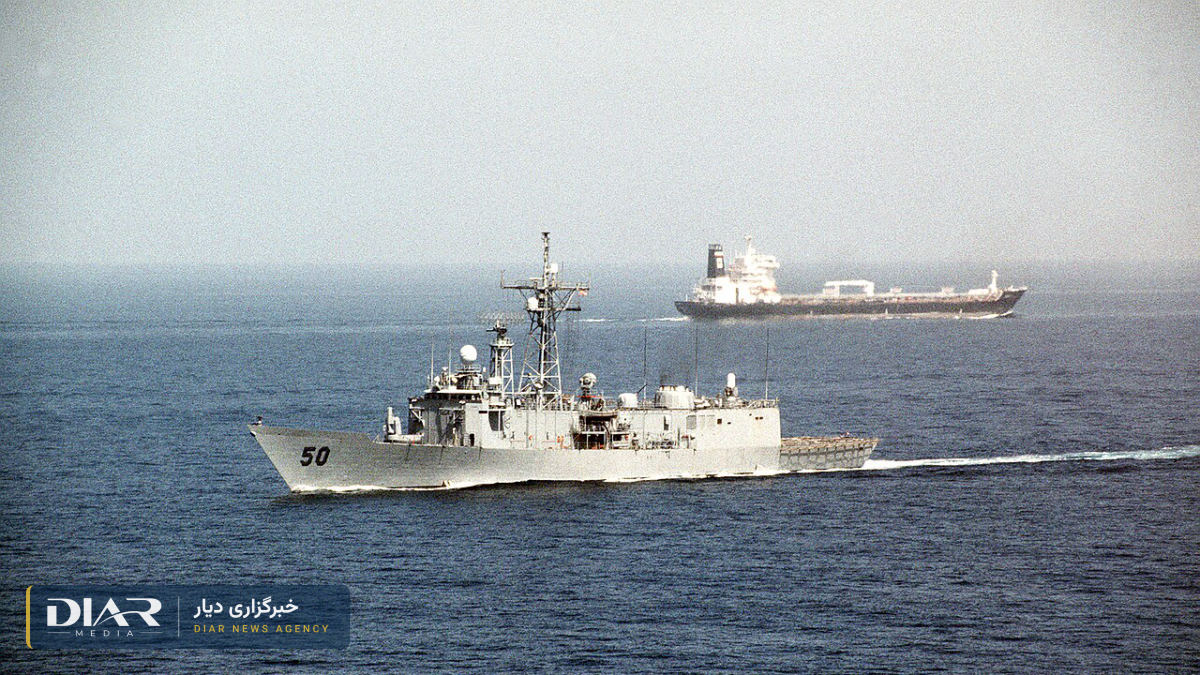
The speaker of the Islamic Republic's parliament has tied the reopening of the Strait of Hormuz to the fulfilment of Tehran's seven conditions, while Trump speaks of an imminent decision by Washington on Iran.
Comments
No comments yet. Be the first.