
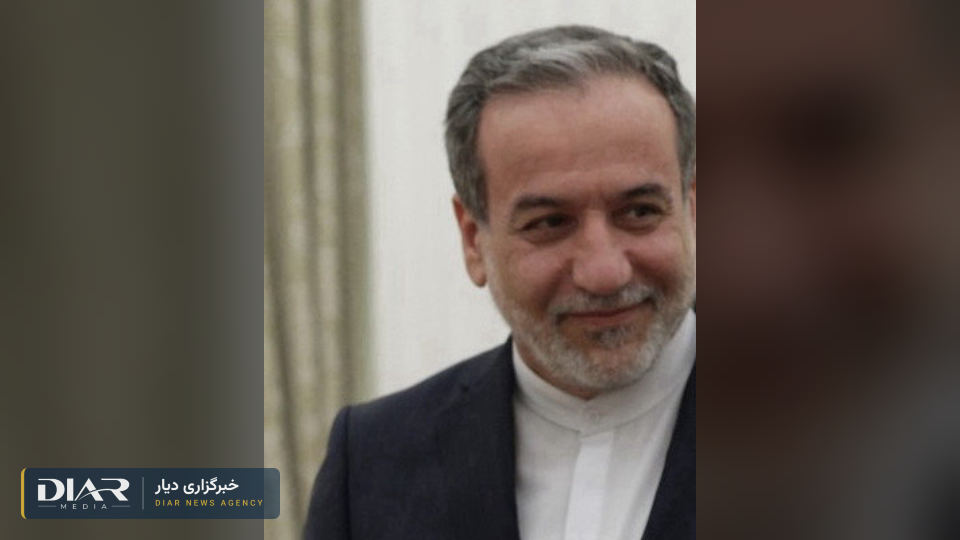
Abbas Araghchi, the Islamic Republic's foreign minister, wrote in an article in the British newspaper the Financial Times on Wednesday 21 October 2026 that Tehran is ready to give diplomacy another chance, provided it sees firm signs of a sincere US desire for a lasting solution. At the same time he called on Washington to lift the naval blockade of the Islamic Republic's ports and return to the Islamabad memorandum of understanding.
In the article, Araghchi wrote that Donald Trump started the war in late February on the basis of mistaken perceptions of the Islamic Republic's capability and will, and that repeating that error would have more painful consequences. He presented the United States with a choice between what he called an honourable agreement and a greater strategic defeat, yet in the same article he conceded that, given the White House's conduct, he sees little reason to expect progress under current conditions.
The Islamabad memorandum and Tehran's conditions
Under the Islamabad memorandum of understanding, signed in May–June, the Islamic Republic was to reopen the Strait of Hormuz and the United States was to lift the naval blockade, release frozen oil assets and ease some sanctions. The agreement quickly collapsed. In a separate interview, Araghchi said that if the United States accepts these conditions, Tehran will fully reopen the Strait of Hormuz and new rounds of negotiations will move towards a final agreement.
The article was published only a few days after Araghchi himself said the Strait of Hormuz will remain closed without an agreement with the United States. The Islamic Republic's attacks on commercial ships in the waterway are continuing, and Brent crude rose above $100 on Wednesday. Since the collapse of the Islamabad memorandum, Washington has increased economic pressure and focused on the Islamic Republic's nuclear programme.
Tehran's double language
The foreign minister's conciliatory message in a Western newspaper is at odds with the stance of other Islamic Republic officials at home. Masoud Pezeshkian told Pakistan's army chief Asim Munir on Tuesday that the people do not trust the United States, and Mohsen Rezaei has ruled out the removal of even a particle of enriched uranium from Iran. Donald Trump has also said several times that he may resume strikes after the 3 November midterm elections, and Benjamin Netanyahu said on Tuesday that the elimination of the Islamic Republic must be complete.
Araghchi writes in the West about a chance for diplomacy, while the Strait of Hormuz remains hostage to the Islamic Republic's attacks.
Comments
No comments yet. Be the first.