
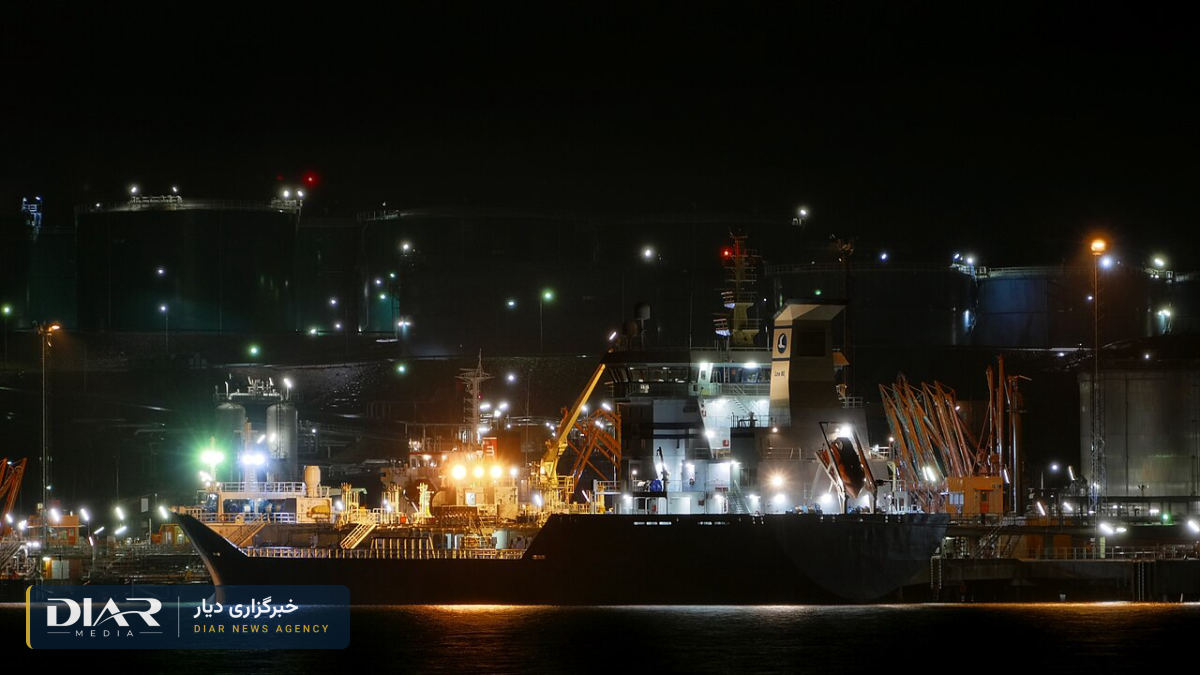
Brent crude traded at about $109.38 a barrel in the early hours of Tuesday, 20 October 2026, staying near its highest level since last May. US crude (West Texas Intermediate) stood at about $103.32. Brent has risen almost 80 percent since the start of the calendar year, and the threat of fresh Islamic Republic attacks on ships in the Strait of Hormuz is the market's main worry.
This price jump is no accident. Two senior Islamic Republic officials told the Reuters news agency, in an interview published on 14 October, that about ten days earlier Tehran had changed the method and tempo of its attacks on ships that, in their words, defy the Islamic Republic's restrictions in the Strait of Hormuz, in order to keep oil prices high and influence the outcome of the US midterm elections on 3 November. They said the decision was taken at the highest level of the government. One of the two described the contest with Washington as a “game of chess” and said that every time prices come close to falling, Tehran pushes them up again.
Attacks on ships to keep oil expensive
According to the same officials, the operation against shipping goes beyond the Strait of Hormuz and also covers the Gulf of Oman and waters farther afield. In the two days before that report was published, maritime security firms and the UK Maritime Trade Operations centre (UKMTO) logged at least five incidents involving tankers and other commercial vessels, including a drone attack. The Joint Maritime Information Center (JMIC), led by the US Navy, has also rated the threat level to shipping in the strait as “severe”. The Washington Post, citing Islamic Republic officials and regional diplomats, wrote on 18 October that Tehran believes Donald Trump will be less sensitive to energy prices after the election and therefore sees the coming weeks as a chance to apply maximum pressure.
Mohammad Reza Aref, first vice president to Masoud Pezeshkian, said in Tajikistan, at a meeting with Russian Prime Minister Mikhail Mishustin, that the Islamic Republic has no choice but to exert control over the Strait of Hormuz, and put responsibility for the consequences on America. The remarks come as a body controlled by the Islamic Revolutionary Guard Corps (IRGC) in the strait has put more than 120 ships on a blacklist.
Regional oil exports return despite the threats
Chris Wright, the US energy secretary, said the flow of oil through the Strait of Hormuz has returned to about 80 percent of its pre-war level, although shipments of petroleum products remain limited. A US military official also told Reuters that the IRGC, after much of its radar was destroyed in US strikes, has turned to unarmed spotters in small boats to identify targets and cannot stop the rise in oil exports through the strait. Analysts at ANZ bank have warned that fresh attacks on ships and intensified attacks by the Houthis, allies of the Islamic Republic, on Saudi oil facilities could halt this recovery.
According to Qatar's defence minister, the energy shock of the Islamic Republic's war has not yet peaked. The Iranian people pay the cost of this strategy first of all: the Islamic Republic, itself under a US naval blockade and sweeping sanctions, has taken the country's vital waterway hostage to its own policies.
The Islamic Republic has turned the oil price into a weapon to influence the US election, and Iran's people and the world economy are paying for it.
Comments
No comments yet. Be the first.