
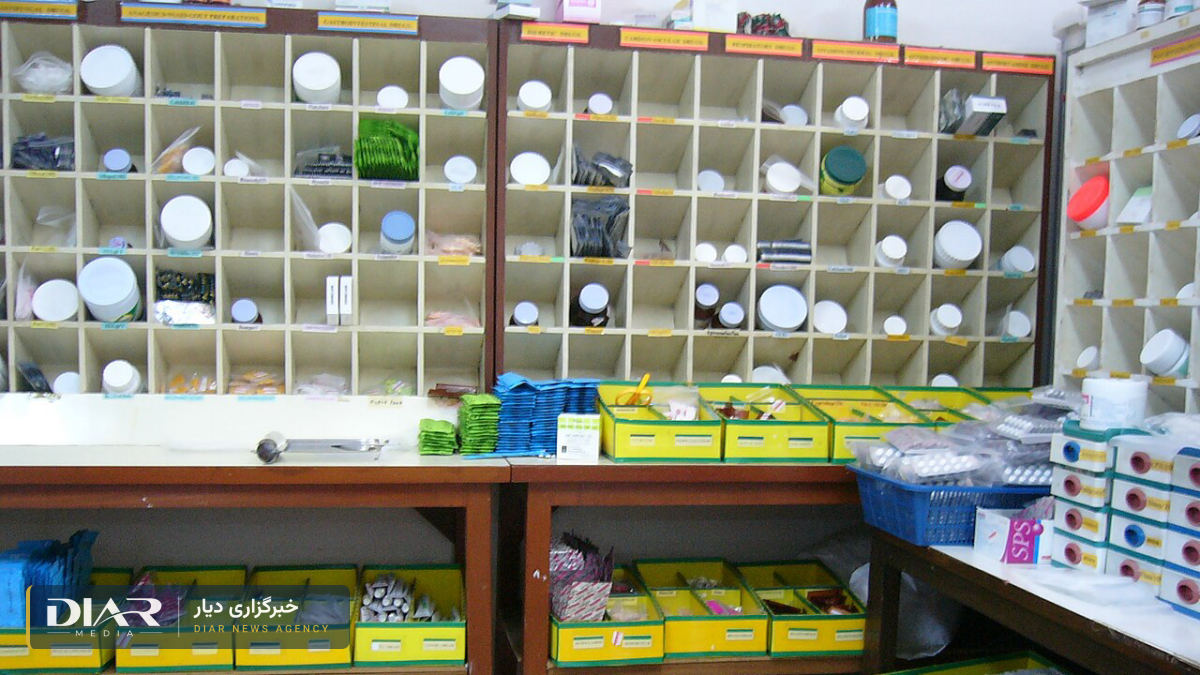
The shortage of medicine and hospital equipment in Iran has reached the point where, according to Hossein-Ali Shahriari, head of the health and treatment committee of the Islamic Republic's parliament, some public hospitals ask admitted patients to bring their own sheets, blankets and clothes. He called the shortage of medicine and medical equipment "worrying" and warned that rising prices may force a number of patients to abandon treatment.
Shahriari said the price of some medicines has doubled and that the price of one type of infant formula has risen from about 260,000 toman to between 1.6 million and 1.7 million toman. According to him, in a letter to Masoud Pezeshkian he asked for an urgent meeting on the healthcare crisis. The names of the hospitals that make such requests of patients were not disclosed.
Surgery queues of months and a black market for medicine
Ruhollah Lak-Ali-Abadi, the second deputy chair of the same committee, said patients who need surgery in public hospitals are given appointments four to six months away, and that this delay can be fatal for some, while a simple operation in a private hospital costs close to one billion toman. He likened the networks distributing medicine and equipment to a "mafia" and pointed to the black market and the Naser Khosrow market. According to him, these shortages put the most pressure on patients with special diseases.
Salman Eshaghi, spokesman of the health committee, said some patients who cannot pay tell their families they are continuing treatment but have secretly abandoned it, and that some sell their prescribed medicines on the open market to cover living costs. He warned that if this continues it could lead to suicide out of despair.
The Food and Drug Organization's claim
In response to these admissions, Mehdi Pirsalehi, head of the Food and Drug Organization, claimed that the import of medicine and raw materials continues despite the difficulties and is carried out through alternative routes, including overland and via intermediary countries; but he offered no explanation for the current shortages. Health Ministry officials also accept the shortages in general terms but play down their severity. Some lawmakers and pharmaceutical industry figures say the roots of this crisis go back to before the war and the naval blockade.
The healthcare crisis sits alongside other signs of the collapse of livelihoods: from a shortage of 700 nurses in Bushehr and nurses' salaries of about 100 dollars to dairy consumption falling to half the recommended level.
Islamic Republic lawmakers themselves admit that patients, out of desperation, abandon treatment and sell their medicines.
Comments
No comments yet. Be the first.