
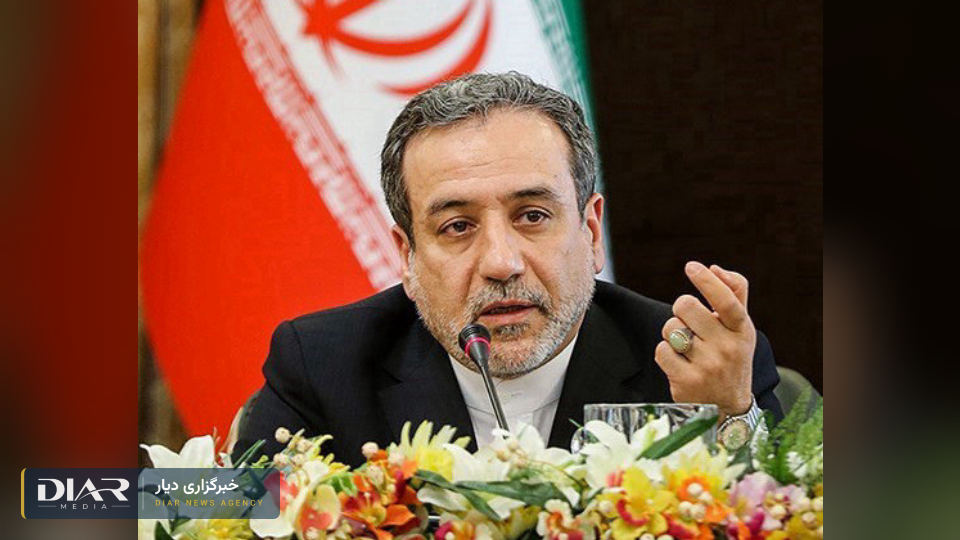
Abbas Araghchi, the Islamic Republic's foreign minister, attacked French President Emmanuel Macron in a message on X on Monday, 19 October 2026, accusing him of going along with a "crime against Iranians". The reaction came after Macron, in a televised address on Sunday, 18 October, linked rising fuel prices in France to the Middle East war and the conflict in the Persian Gulf.
Araghchi wrote that it was too late to blame a war in whose making Macron's like-minded allies had played a part, and claimed that the French president had created the situation himself by declaring support for Donald Trump. Esmaeil Baghaei, spokesman for the Islamic Republic's foreign ministry, also accused Macron on Sunday of a "double standard", writing that in January he had demanded the right to peaceful assembly in Iran but is now talking about swift punishment for perpetrators of violence in France.
Macron's speech and the protests in France
Following the protests over rising prices on Saturday, 17 October, which in some cities descended into looting, arson and clashes with police, Macron said France was not taking part in the Gulf war but was bearing its consequences. He distinguished between protesters who, in his words, have "legitimate" demands and those who only destroy and loot, and announced that Prime Minister Sébastien Lecornu would meet parties, unions and student representatives in the coming days.
According to the French Interior Ministry, about 550,000 people took part in Saturday's protests and nearly 2,400 were arrested. About a thousand police officers and gendarmes were injured. Human rights organisations criticised the police's disproportionate use of force, and the police's internal inspectorate is examining at least 24 complaints about officers' violence. Paris had earlier accused the Islamic Republic of running a "disinformation campaign" about the French student protests and summoned its ambassador.
A comparison that works against Tehran
The comparison the Islamic Republic's foreign ministry puts forward pales against the facts of the January uprising. In France, independent bodies investigate complaints of police violence, opposition parties freely call for the president's resignation, and the government talks with unions and students. In Iran, by contrast, government forces in January fired at protesters from rooftops, citizens such as Peyman Ghadiri were shot in their own homes, and, according to an Amnesty International warning, at least 20 protesters are at imminent risk of execution.
The Islamic Republic's foreign ministry exploits France's unrest to attack Macron, while it has itself answered the January protesters with bullets and the gallows.
Comments
No comments yet. Be the first.