
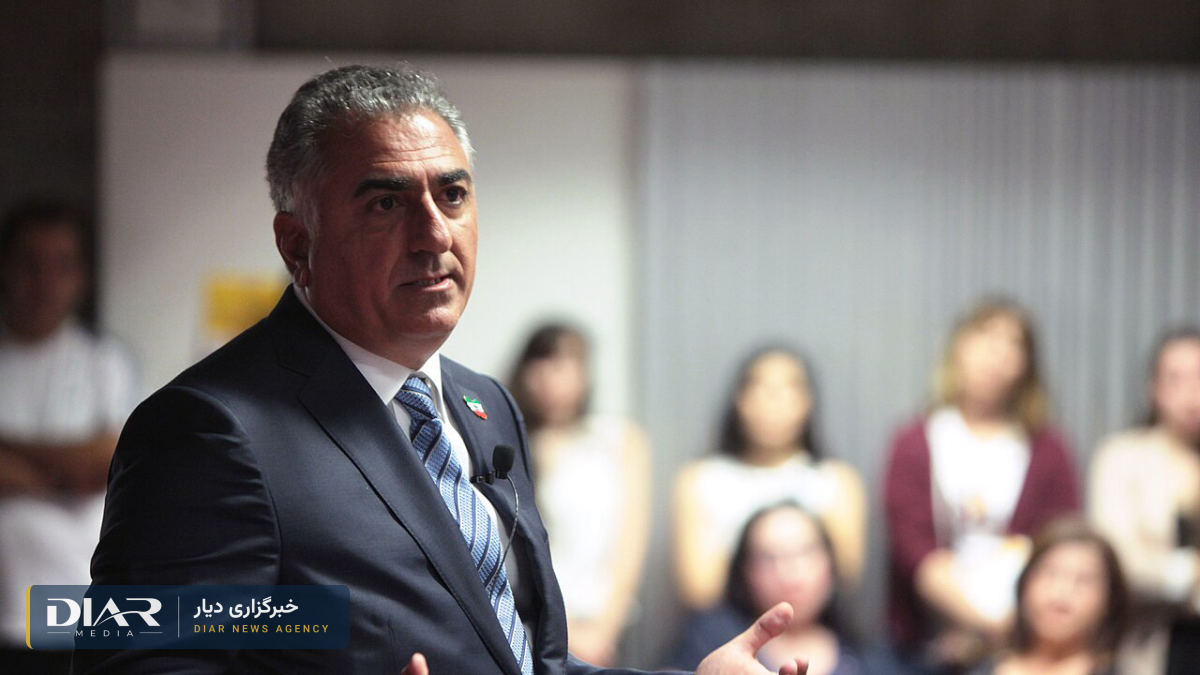
On Monday, 5 October 2026, a few hours after the execution of Alireza Sepahi and Alireza Raisi, two people detained during the Dey uprising, the office of Prince Reza Pahlavi said in a message that these state killings will not go unanswered. The message said that everyone responsible for these executions, from the officials who ordered them to the judges who issued the sentences and those who carried them out, will be held to account through fair courts.
According to Iran International, Prince Pahlavi's office recalled in the message that Alireza Sepahi had married Mahshad Keshani, a political prisoner sentenced to five years in prison, on the eve of his execution, and that his execution had been postponed in July because of a heart attack, but the Islamic Republic insisted on carrying it out.
Transitional justice committee
The message referred to a committee set up at the initiative of Prince Reza Pahlavi and chaired by Nobel Peace Prize laureate Shirin Ebadi, which is drafting transitional justice regulations and a legal framework for future trials. The committee has warned the perpetrators of the crackdown that every execution adds to their criminal liability and that they should not count on these crimes being forgotten or on impunity or pardon.
Before the sentences were carried out, Prince Pahlavi's office had also warned of the imminent risk of execution facing the two protesters and called for urgent action to save their lives.
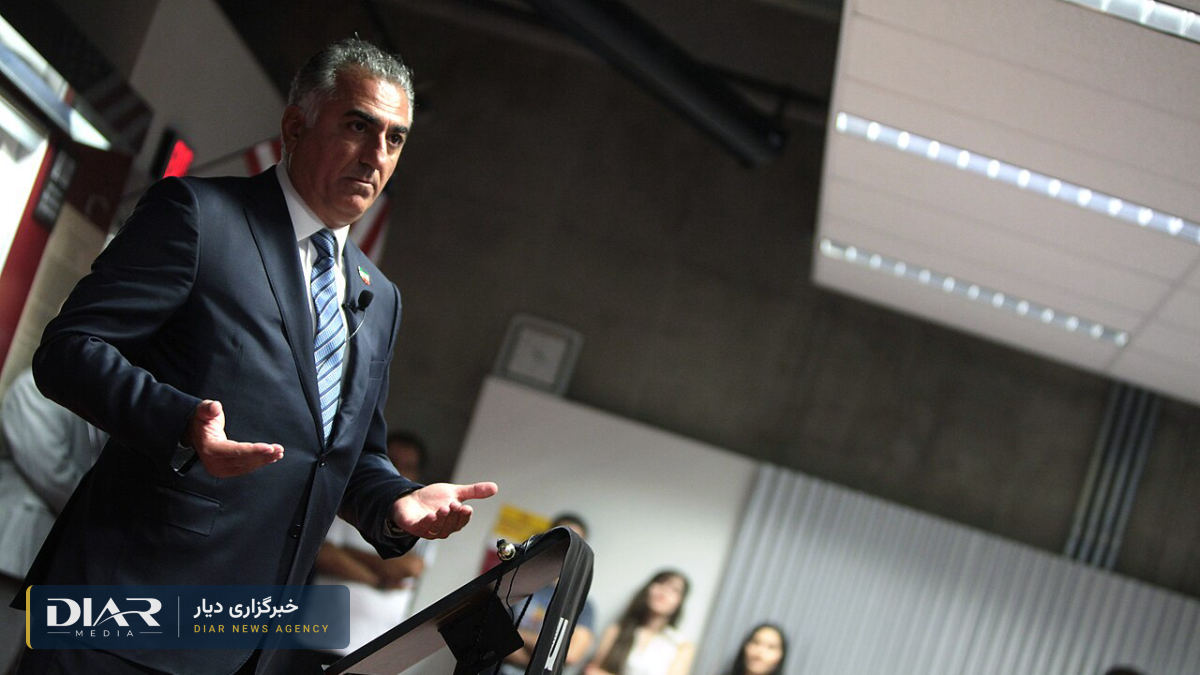
Prince Reza Pahlavi's office says every link in the chain of executions, from those who give the orders to the judges and executioners, will one day answer before a fair court.
Reaction from the judiciary's news agency
Mizan news agency, affiliated with the Islamic Republic's judiciary, responded to Prince Pahlavi's message in a report, calling his account fabrications by media linked to Israel. Mizan claimed that Alireza Sepahi and Mahshad Keshani had never met in prison and that, since there was no official marriage certificate, their request for a visit had not been granted. The agency also claimed that Sepahi had played the main role in the case of the killing of four police officers in Isfahan.
According to HRANA, the couple's marriage vows were read by telephone on Sunday, 4 October, one day before the execution. Alireza Sepahi and Alireza Raisi were executed at dawn on Monday in Isfahan's Dastgerd prison. The judiciary had sentenced them to death on charges including "moharebeh" (waging war against God) and "corruption on earth"; human rights organisations say death sentences against protesters are issued after unfair trials and on the basis of forced confessions.
Comments
No comments yet. Be the first.