
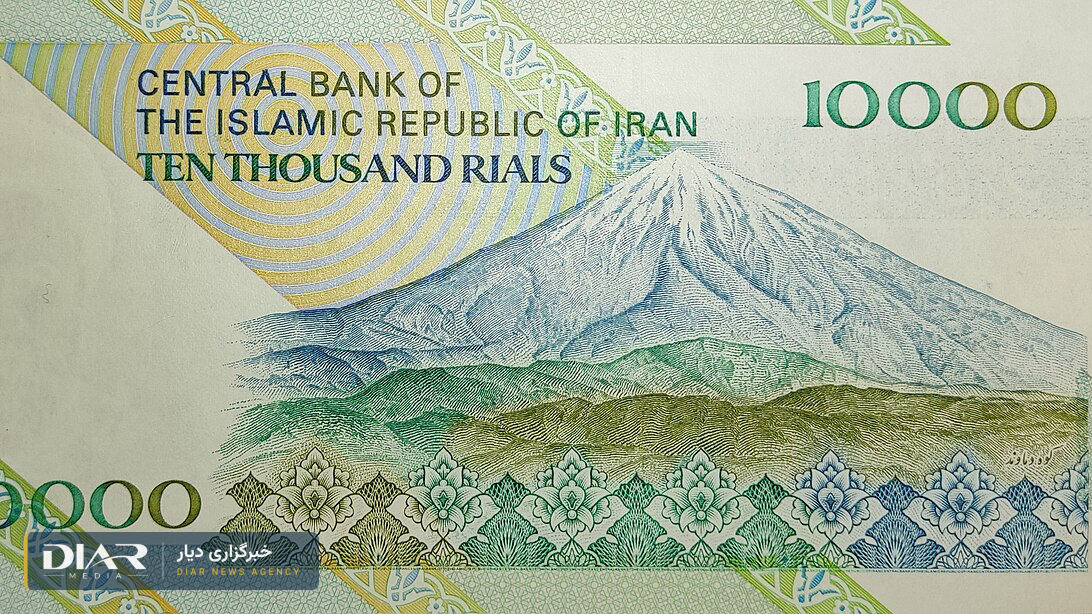
A 24-article bill titled "Resistance Economy," marked triple-urgency, has been released for the signatures of members of the Islamic Consultative Assembly, proposing extensive government control over currency, gold, banking and trade. The bill was filed in the parliament's legislative system by Peyman Falsafi, a Tehran MP, and comes at a time when year-on-year inflation in Iran has reached nearly 90 percent.
Under the bill, the Central Bank must gradually lower the official dollar rate over two months and then hold it fixed at 28,500 toman for five years. The Foreign Exchange and Gold Trading Center and the commercial and negotiated currency markets would be dissolved, exporters would have to sell their foreign currency to the Central Bank within 60 days, trading at any other rate would be treated as "smuggling," and websites that publish other rates could be blocked.
Cash subsidy, gold and banks
The bill restricts the cash subsidy to the bottom three deciles and cuts payments to the other deciles and to Iranians abroad. The one-million-toman food coupon would be halted, leaving only a targeted coupon for low-income households up to the seventh decile, within the limits of the budget. The nominal bank interest rate would be set to zero and the loan fee would be capped at four percent.
Minting and selling coins, selling bullion and non-jewellery gold, and advertising gold purchases would be banned, and domestic transactions in foreign currency, gold and foreign cryptocurrencies would also be banned except in earlier contracts and barter. Imports of goods that have domestic equivalents would be banned, and domestic prices of energy and raw materials would be decoupled from the exchange rate and global prices. With the permission of the Islamic Republic's leader, 20 percent of the National Development Fund's annual resources would also be allocated to five-year agricultural loans.
90 percent inflation and recession
According to figures from the Islamic Republic's Statistical Centre, year-on-year inflation in September was 89.8 percent and monthly inflation was 4.2 percent, while prices in the food, beverages and tobacco group rose 121.8 percent over last year. The International Monetary Fund has also forecast that Iran's economy will shrink by 7.6 percent this year, and the Central Bank's Monetary and Banking Research Institute has estimated economic growth in the three months to August at minus 5.9 percent.
The "resistance economy" bill offers no estimate of the foreign-exchange reserves needed to hold the dollar fixed over the next five years.
The bill neither estimates the cost of implementing these provisions nor identifies any reliable source of funding for them. The proposal comes as new US sanctions on the Islamic Republic's tankers and shadow banking networks have made it harder for the government to access foreign currency and finance imports. Under the bill, the Plan and Budget Organization would also have to submit to parliament, within three months, a revised 2026–27 budget based on the new exchange rate.
Comments
No comments yet. Be the first.