
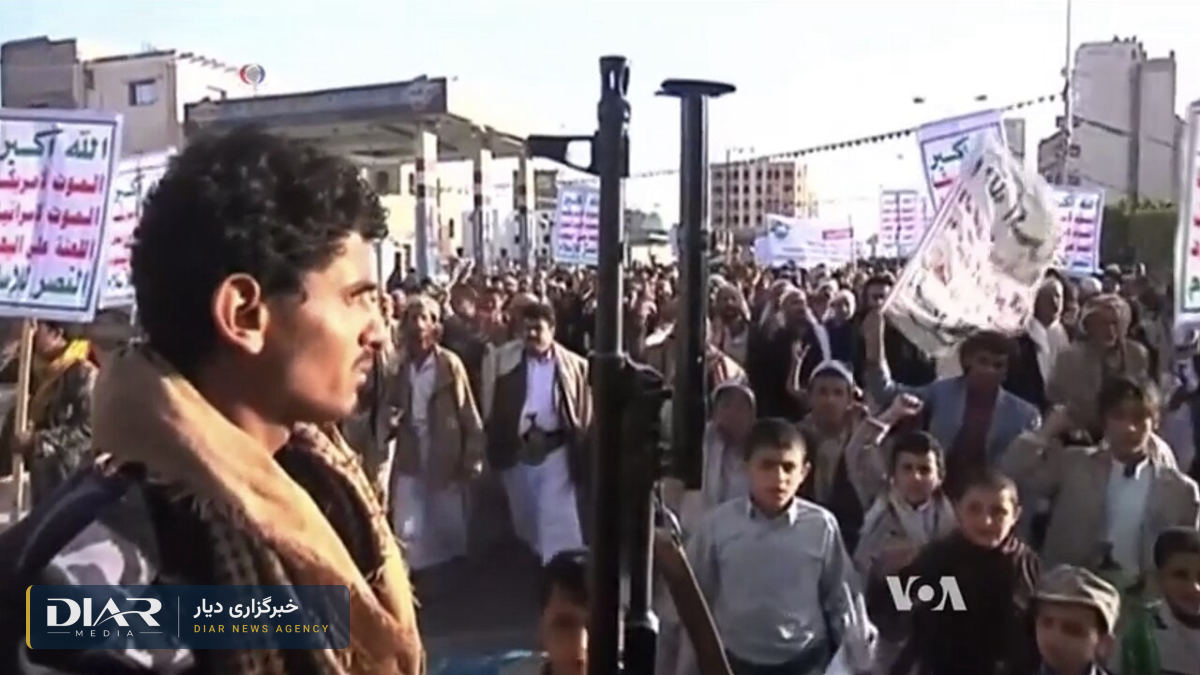
Baraa Shaban, a Yemeni researcher and associate fellow at the Royal United Services Institute (RUSI) in London, says that years before the Houthis became a regional force, the Islamic Republic, through Lebanon's Hezbollah and the Islamic Revolutionary Guard Corps (IRGC), cultivated a network of its supporters in Yemen, and is now using them to open a new front against Saudi Arabia.
Shaban, who was a pro-democracy activist in Yemen's 2011 uprising and later negotiated with the Houthis, made the account in an interview with Iran International's podcast "Eye for Iran". According to him, young Yemenis at that time were invited to conferences in Lebanon that were ostensibly about democratic reform but were in practice run by Hezbollah.
The role of the IRGC and Hassan Irlou
According to Shaban, activists who accepted these invitations were introduced to an IRGC officer who worked in Lebanon under the alias "Abu Hadi", and some of them then travelled to Tehran. He identified this officer as Hassan Irlou, who in 2020 went to Sanaa as the Islamic Republic's ambassador to the Houthis. The US government regarded him as an official of the IRGC's Quds Force. Irlou died in December 2021.
Shaban says that at first most of this work was in Hezbollah's hands, and the IRGC later took on a more prominent role. According to him, some of those drawn into these networks later helped set up the Houthis' political office in Sanaa, and even some women who had been invited to Iran returned having adopted Tehran's narrative, including a justification of the crushing of the Syrian revolution. The full extent of this recruitment has not been independently confirmed.
The Houthis: the Islamic Republic's strategic reserve
In Shaban's assessment, the Islamic Republic had kept the Houthis in reserve as a strategic asset and is now using them to drag the economic cost of the war to Saudi Arabia and its Western allies, a stage he calls the "third phase". He said that after seeing the leverage of the Strait of Hormuz, the government in Tehran wants a second chokepoint at Bab al-Mandab. According to Shaban, the Islamic Republic's leaders accept the risk of confronting Saudi Arabia because they expect Western governments, especially the United States, to hesitate in response.
The remarks come as Houthi attacks on Saudi territory intensify. The Saudi-led coalition says Riyadh's King Khalid airport was targeted 20 times in October, and Saudi officials have put the death toll from the recent attacks at no fewer than 19. Riyadh accuses the Islamic Republic of encouraging the attacks, and new research has also shown that the Houthis are building missiles resembling the Islamic Republic's "Khorramshahr"; the Islamic Republic's foreign ministry, however, has denied any role in the attacks.
According to Baraa Shaban, the Houthis were a strategic reserve for the Islamic Republic, now deployed to open the Bab al-Mandab front.
Comments
No comments yet. Be the first.