
Elen Bastakian, a specialist in change leadership and crisis management and an adviser to the "Iran Prosperity Project", said in a video interview on Thursday, 15 October 2026, that fear of the future is the biggest obstacle to the Islamic Republic's employees and soldiers joining the people, and that Prince Reza Pahlavi's clear plan for the transition period reduces this fear. According to her, some of those working in the machinery of government today can be part of the solution tomorrow.
Bastakian explained that her answer comes from the angle of her own expertise, change management and stakeholder behaviour, not from a legal or security angle. She said people decide to change their stance when they know what will happen the day after their decision; fear of losing their jobs, their family's safety, punishment and the unknown nature of the period after the Islamic Republic increases resistance to change.
Prince Reza Pahlavi's leadership qualities for the transition period
This adviser to the Iran Prosperity Project said that in all his public positions Prince Reza Pahlavi has stressed both guiding the transition period and that the final form of the political system should be determined by the people in a democratic process. In her assessment, in major upheavals a leader must show where the country is headed, turn social divisions into links between groups, and turn a vision into a plan before the crisis; something that, in her words, the Prince has already done.
Bastakian added that the Prince has shown in practice that merely inviting people to join the people is not enough and that there must be a picture of the future, including a distinction between those who have committed unforgivable crimes and those who have only worked in the administrative and technical structure. In her words, employees and officers must know that tomorrow's Iran will still need doctors, engineers, teachers, managers and the forces responsible for the country's security and defence.
The achievement of the Iran Prosperity Project
Bastakian described the Iran Prosperity Project's most important achievement as taking the debate about Iran's tomorrow from the level of slogans to operational planning. She said the project's emergency-period handbook focuses on the first 180 days after the collapse of the Islamic Republic, covers areas from governance and security to the economy and the environment, and that a large number of Iranian specialists inside and outside the country took part in drafting it. According to her, a draft of the handbook was published for public feedback and then revised so that Iran would not have to start from zero on the first day of the transition. Earlier, Saeed Ghasseminejad, the project's director, had spoken about Prince Reza Pahlavi's transition plan.
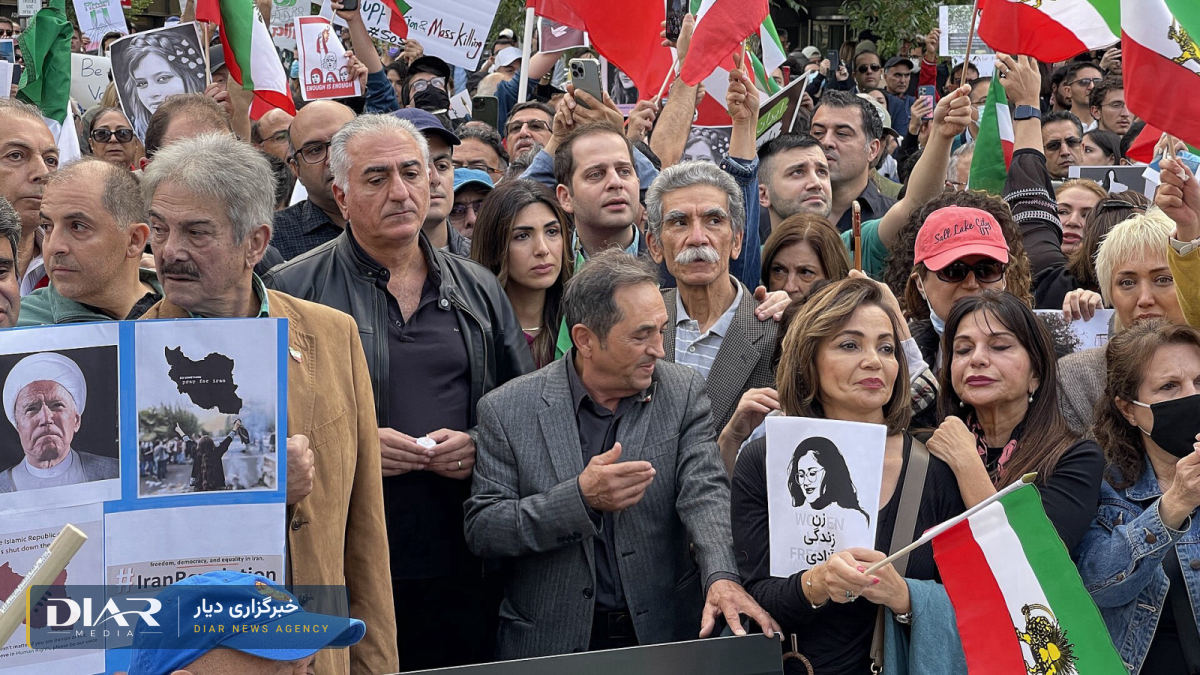
The role of Iranians abroad
Bastakian said that the political support, street rallies and media work of Iranians abroad must continue, but that their role is not limited to this: they can put their knowledge to use in fields such as medicine, cybersecurity and people's access to the internet, financially support programmes run under Prince Reza Pahlavi, and introduce the Iran Prosperity Project to politicians in their country of residence. She stressed that the aim is not to replace specialists inside the country and that the right model is cooperation between those inside and outside. In her words, a change of government is an event, but a transition is a process and reconstruction a long-term journey.
Adviser to the Iran Prosperity Project: A clear plan for tomorrow breaks the fear that keeps employees and soldiers from joining the people.
Comments
No comments yet. Be the first.